Iran War Tests Chinese Air Defense Claims
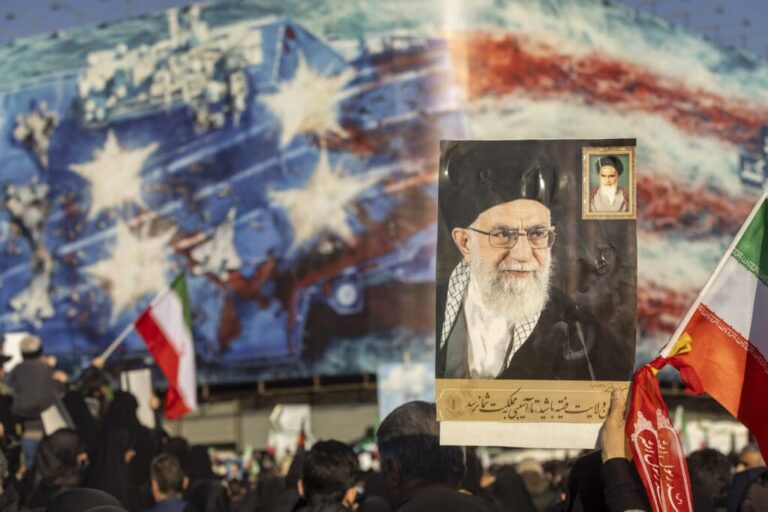
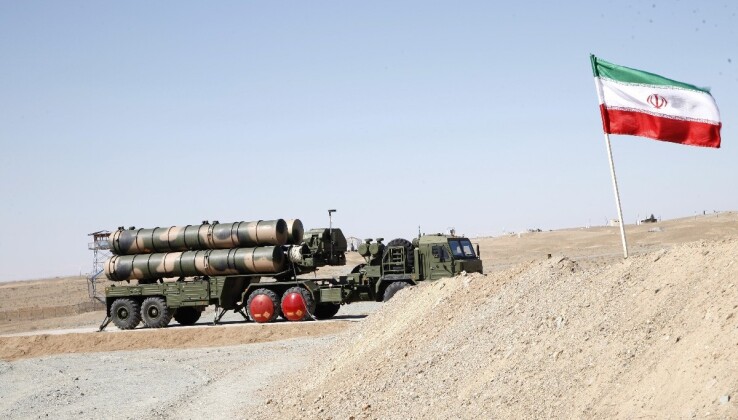
Chinese air defense systems have come under intense scrutiny due to the war in Iran. Not every Chinese missile, radar, or command node has received a definitive ruling from it. But it has brought up an important question that defense planners cannot overlook: why was a U.S.-Israeli opening blow of such political and operational weight not prevented by an air-defense architecture marketed as modern and anti-stealth? Senior Iranian leaders, including Ali Khamenei, were killed during the war’s initial phase, which swiftly changed the focus of discussion from theory to actual combat.
Why Iran Matters for Chinese Air Defense
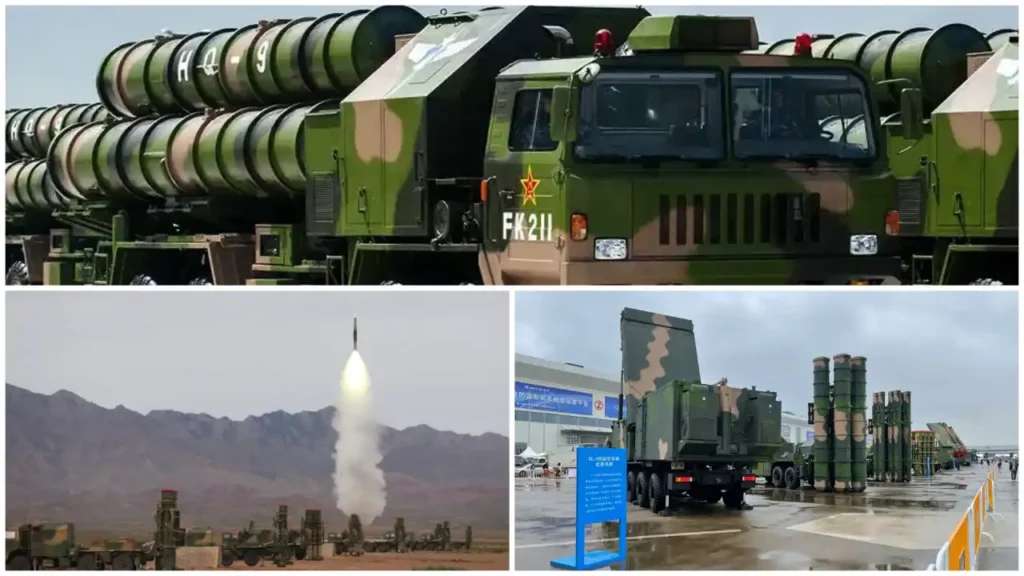
For years, Beijing pushed the idea that its air defense products for export were just as effective at protecting people and cost less than those made in the West. That pitch is important because China has built a lot of its reputation as an exporter on being able to deliver “good enough” capability faster and cheaper than many of its competitors. But combat is where advertising and reality meet. The main result in Iran was catastrophic: the attackers hit high-value targets, kept up follow-up operations, and made analysts wonder if Chinese air defense systems can handle stealth, electronic attacks, cyber pressure, and very precise strikes that are tightly coordinated.
Placing the war within a broader strike ecosystem sharpens this question. On our site, US AI Tools in Iran War: What CENTCOM Confirmed and How the GBU-57 MOP Bunker Buster Works already point readers toward the real story: modern air campaigns do not rely on one aircraft or one bomb. They depend on fusion, targeting, deception, timing, electronic warfare, and deep battle management. In that environment, Chinese air defense systems are judged not by their brochure claims but by whether they can survive the first hours of a high-end strike war.
What Failed and What’s Unclear
However, analysts should refrain from hastily drawing conclusions. Open-source reporting has linked the Iranian network to Chinese-made air-defense hardware and radar architecture, but there isn’t enough public proof of battle damage yet. Even if a missile fails, it can still be useful. It could be because of inadequate placement, poor crew training, broken command links, low supplies, or the enemy’s successful jamming. Therefore, the careful conclusion is that not all Chinese launchers are undesirable. The more convincing conclusion is that the war has shown that Chinese air defense systems sold abroad are inadequate at hiding and blocking access.
The Real Gap: Systems Integration
This is where the difference in technology becomes clearer. The platforms of Western air power don’t look cool, so they don’t win. It wins by putting stealth planes, standoff weapons, ISR, airborne refueling, cyber effects, and mission planning into one kill chain. Even a powerful missile battery can fail if its sensors are blinded, its data links are jammed, or its operators forget what they’re doing. The Iran war shows that the major problem with Chinese air defense systems might not be how missiles move, but how well they can handle pressure from many areas at once.
Why Beijing’s Export Image May Suffer
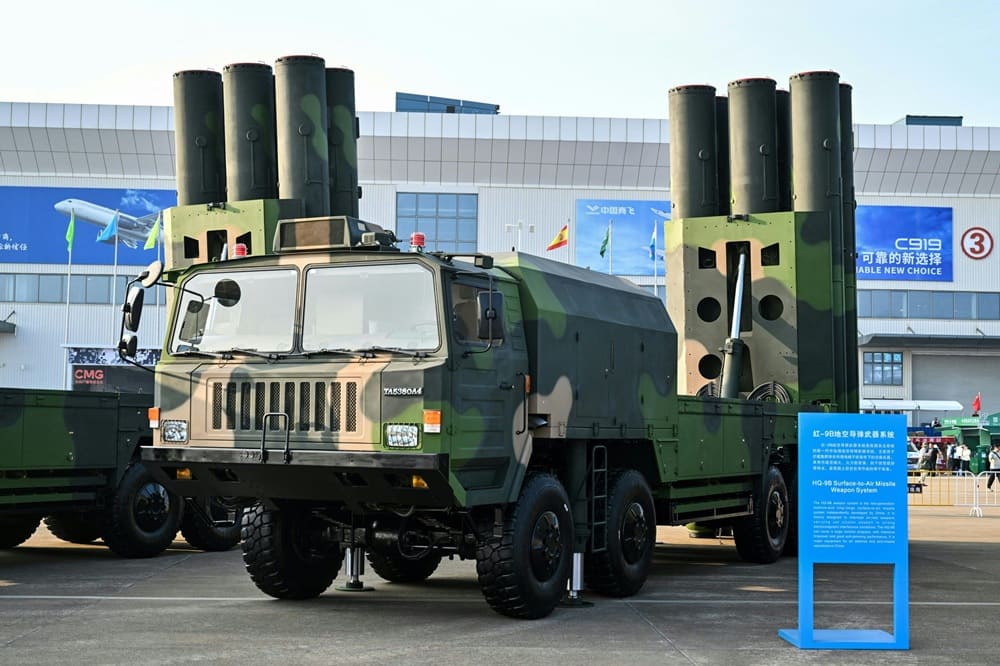
The cost to your reputation may be just as important as the lesson learned on the battlefield. According to SIPRI’s most recent data, China was the fifth-largest arms supplier in the world from 2021 to 2025, not the third-largest, as older reports often said. It accounted for 5.6% of all arms exports. SIPRI also said that 61% of China’s arms exports during that time went to Pakistan. That focus makes credibility even more important. Beijing’s sales pitch across Asia, Africa, and the Middle East gets weaker if buyers start to doubt how well Chinese air defense systems work against stealthy, high-tech opponents.
The Taiwan Factor in Every Lesson
Serious analysts should say clearly that Iran is not Taiwan. China would fight much closer to home, with more troops, better logistics, and bigger force packages. Still, the strategic warning is clear. If Western forces can get into, confuse, and shut down a defended airspace before it has a chance to react, then any future Taiwan scenario will be harder for Beijing than peacetime messaging suggests. Officials in Washington have already told Congress that the war in Iran has not stopped the US from sending weapons to Taiwan. This statement shows that Taiwan is still crucial to American strategic planning. Taiwan will now scrutinize every flaw in Chinese air defense systems.
A harsh lesson
The war in Iran has proven at least some of China’s military claims to be true. However, it has disrupted China’s reliance on air defense for exports. That matters because hype doesn’t last long in modern combat. The radar range on paper isn’t enough. The missile’s range is not enough. Even claims of stealth detection aren’t enough. What matters is the network’s ability to withstand damage, maintain visibility, maintain communication, and continue firing when the enemy initiates a strategic attack. The ongoing war in Iran demonstrates the continued superiority of Western forces in this type of warfare.
References
- https://www.reuters.com/world/middle-east/irans-supreme-leader-ali-khamenei-killed-senior-israeli-official-says-2026-02-28/
- https://www.reuters.com/world/china/iran-war-is-not-delaying-us-weapons-shipments-taiwan-officials-say-2026-03-17/
- https://www.sipri.org/sites/default/files/2026-03/fs_2603_at_2025.pdf
- https://apnews.com/article/iran-supreme-leader-ayatollah-ali-khamenei-dead-5b13b69b708c4ed38e8f95f5fb41a597
About the Author