Iran Replaces Air Defense Commander After June War
Overview
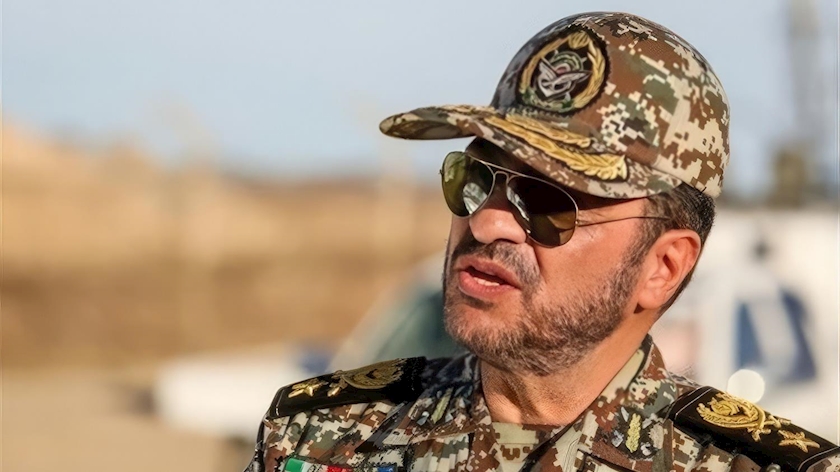
Iran replaces its air defense commander after the June war with Israel, appointing Brigadier General Alireza Elhami to lead the Army Air Defense Force and the Khatam al-Anbiya (PBUH) Joint Air Defense Base. The switch is more than a routine rotation. Tehran is publicly signaling its intention to address the vulnerabilities exposed by the June 2025 air war.
New commander, decisive timing
On December 15, 2025, Iranian state-linked outlets reported that Elhami replaced Brigadier General Alireza Sabahi-Fard as commander of the Army Air Defense Force. The Defa Press also said Elhami took command of Khatam al-Anbiya Joint Air Defense Base, the headquarters that coordinates national air defense. No official statement gave a reason for the change.
Elhami is not an outsider. He has served as deputy commander since 2019, previously led the Air Defense University, and held the deputy operations post at Khatam al-Anbiya. That matters because Iran’s hardest air defense problem is coordination under pressure.
June war changed the narrative
Israel’s after-action messaging emphasized early disruption. A senior Israeli military official later said Israel struck more than 900 targets during the 12-day campaign that began on 13 June and ended under a U.S.-brokered ceasefire on 24 June.
Other Israeli-linked reporting went further. Israeli military officials claimed they destroyed or disabled roughly 120 Iranian air defense systems—around a third of Iran’s pre-war total—and that long-range assets, including S-300s and Bavar-373 batteries, were among those targeted.
Iran acknowledged damage while contesting the idea of lasting paralysis. In July 2025, Iran’s army deputy for operations said the military replaced damaged air-defense assets using domestic resources and “pre-arranged” systems stored in suitable locations to keep the airspace secured.
What Sabahi-Fard Really Had Under Him
Iran does not publish a neat, public list that maps named air-defense batteries to Brigadier General Alireza Sabahi-Fard. Despite this, we can confidently describe his responsibilities. As commander of the Army’s Air Defense Force (IRIADF) and later as head of the Khatam al-Anbiya Air Defense Base, which coordinates air defense at the joint level, he effectively sat at the top of the regular army’s layered SAM and radar enterprise.
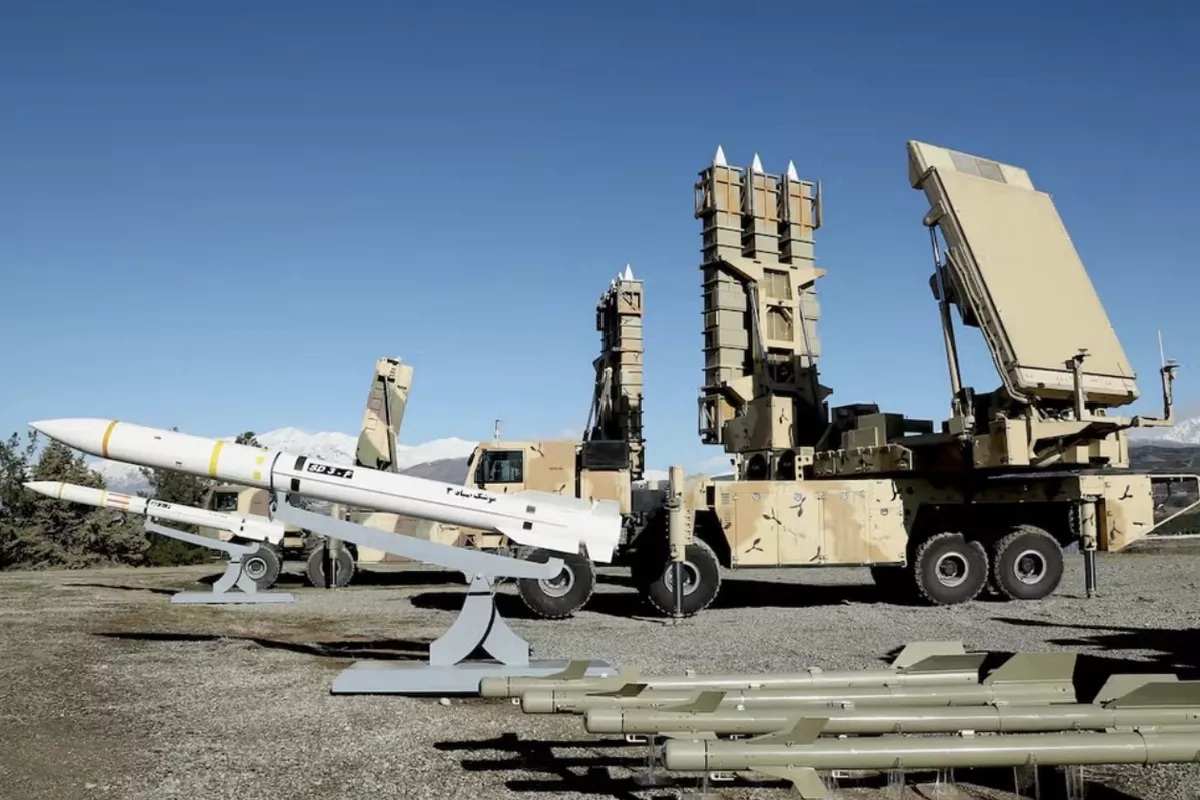
That meant he oversaw units built around long-range systems such as Bavar-373 while also managing the bread-and-butter middle layer, including Khordad-15 and the Talash family, which Iran often links to modernized long-range coverage. Crucially, the job was not only about “big” missiles. He also had to keep point defense and local protection credible, using systems like Madjid and Mersad-16, and reinforcing the close-in layer with Misagh-3 MANPADS where needed.
However, Iran’s air defense is not a single chain. IRGC air defense elements run in parallel, so some batteries sit outside the army commander’s direct control, even if Khatam al-Anbiya coordinates the overall air picture.
Elhami inherits a credibility gap
Before June, Sabahi-Fard frequently praised Iran’s air-defense performance in public. He argued that the force could counter advanced fighters and detect hostile aircraft from long distances, including stealth platforms. After the war, the credibility test became simple: can the system perform under electronic attack, decoys, and repeated strikes, not in peacetime demonstrations?
Air defense is a network
Even if Iran fields capable long-range SAMs, the decisive question is whether it can keep sensors, command posts, and shooters linked during a sustained strike campaign. Modern SEAD/DEAD efforts target radars, data links, and decision nodes. When those links break, batteries fight as isolated points instead of as a layered system.

Iran’s inventory is mixed. Alongside Russian-supplied S-300 variants, Tehran operates the domestically produced Bavar-373 family. That mix increases integration demands: shared tracks, shared identification, robust communications, and disciplined emissions control. If those pieces lag, mobility and deception become survival tools rather than force multipliers.
What to watch next
If Iran replaces the air defense commander to accelerate reforms, three indicators will show whether change is real:
- Faster battle management: quicker hand-offs from early warning to engagement radars and clearer authority paths.
- Survivability practices: more decoys, shorter radar “on” times, and routine relocation drills.
- Joint integration: tighter coordination between regular army air defense and other air defense elements sharing the air picture.
Bottom line
Iran replacing the air defense commander is both a political and operational signal. It tells domestic audiences that accountability exists. It also tells adversaries that Tehran intends to rebuild the parts of its air defense architecture that failed under sustained attack during the June war with Israel.
References
- https://defapress.ir/en/news/87038/elhami-appointed-as-the-commander-of-the-khatam-al-anbiya-pbuh-joint-air-defense-base-and-the-army-air-defense-force
- https://www.reuters.com/business/aerospace-defense/israel-killed-30-iranian-security-chiefs-11-nuclear-scientists-israeli-official-2025-06-27/
- https://www.reuters.com/business/aerospace-defense/iran-says-it-has-replaced-air-defences-damaged-israel-war-2025-07-20/
- https://www.fpri.org/article/2025/10/shallow-ramparts-air-and-missile-defenses-in-the-june-2025-israel-iran-war/
About the Author