
Iran Cannot Defeat the US Militarily—But It Can Still Win
Washington’s airpower, ISR (intelligence, surveillance, and reconnaissance), and precision-strike depth dwarf Iran’s conventional force. However, Tehran can win strategically without having to “win” a shooting match. All it must do is deny Washington a low-cost, clean solution. Oman mediated another meeting between Iranian and US diplomats last week in Geneva. Iran mentioned “good progress.” US officials, meanwhile, reported only “a little progress.”
President Donald Trump once more threatened to strike Iran at the same time. Reports have also detailed a significant US military buildup in the area. As a result, many analysts believe the negotiations may be a timing device rather than a path toward peace. If this is the case, Iran could succumb to a well-known trap: negotiate under pressure, agree to unfavorable terms, and then observe as Washington modifies its demands.
Defence Significance
Being better at war doesn’t mean you can control politics. Moreover, the target’s ability to impose costs, build a larger coalition against escalation, and prevent the conflict from becoming “limited” renders coercion ineffective.
Limits to US Advantage
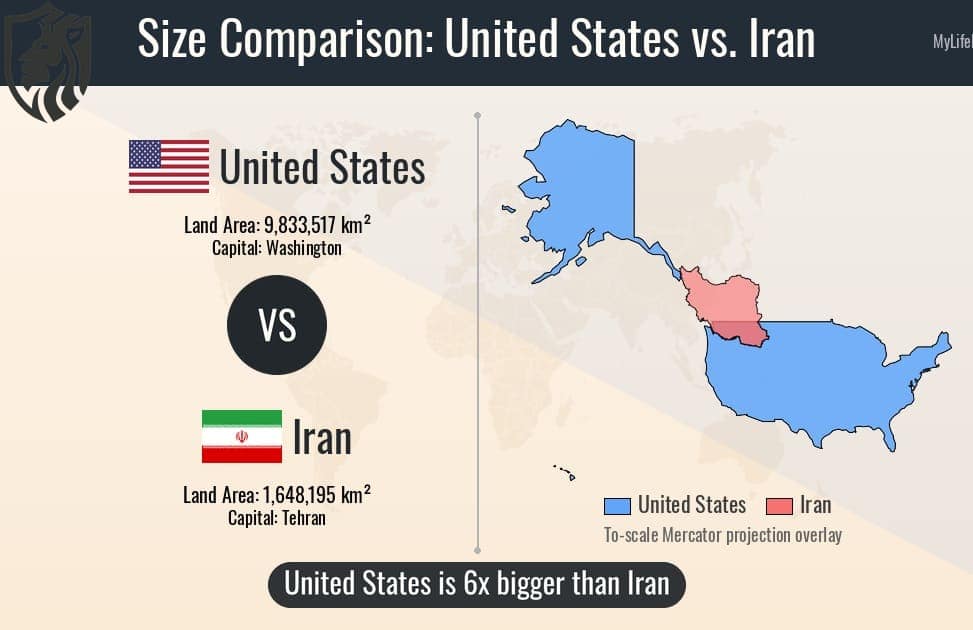
The United States has the biggest defense budget in the world and a well-developed power-projection machine. So, it can win early fights by using standoff strikes, air superiority, and long-range targeting. But Iran’s geography makes it hard to invade. The price of any job goes up because of the mountains, the number of people living in cities, and the large population.
A “short war” can turn into a never-ending counterinsurgency. Iran can also challenge the way things work in the region. It can make it harder to get to bases, fly over them, and keep partners together. That friction is important because US operations in the Gulf depend on stable host-nation politics and predictable permissions.
JCPOA: credibility GAP
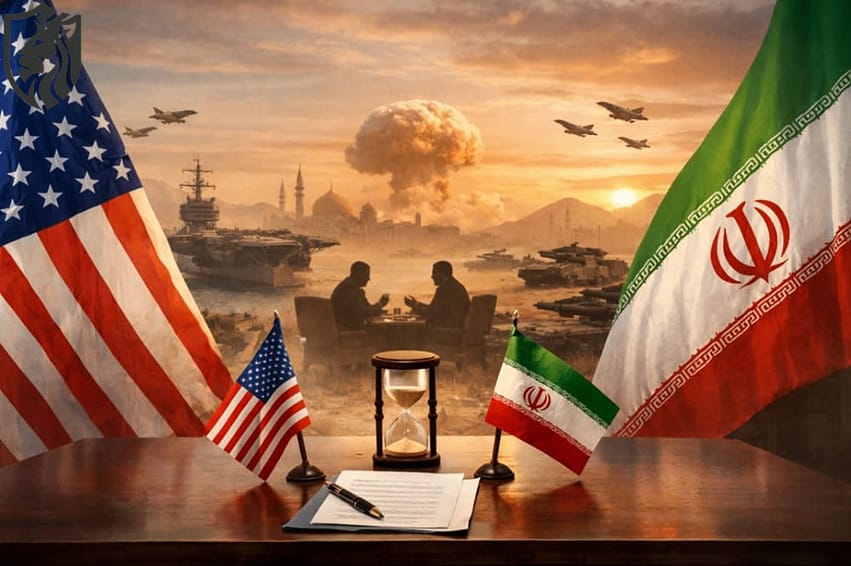
Every US-Iran negotiation has a context. Every meeting in Tehran reminds them of the Joint Comprehensive Plan of Action (JCPOA). Iran and the P5+1 (plus the EU) agreed to lift some sanctions in exchange for more openness about its nuclear program in 2015. Iran agreed to limits, even ones it thought were unfair. Also, during the deal’s operational period, international inspectors checked Iran’s compliance many times.
In 2018, Trump pulled the US out of the JCPOA (Joint Comprehensive Plan of Action) and put “maximum pressure” sanctions back in place. Tehran learned a hard lesson from this decision: in a divided US system, an American signature could expire at the next election. Because of this, any new deal will have a credibility problem. Even if Washington helps out now, Tehran has to be ready for the possibility of a change later.
Diplomacy as Cover
Negotiations may allow the side in need of time to relax their defenses. Because of this, Tehran is afraid that talks could be a cover for military plans to grow. The article also talks about a darker pattern: strikes can happen even when diplomats are getting ready to meet. Even if Washington denies direct involvement, prior knowledge and strong ties to the alliance can still affect the outcome. In that case, “capitulation by agreement” might not keep you safe. Instead, it could lead to a series of demands: limits on nuclear weapons today, limits on missiles tomorrow, and pressure for regime change after that.
Iran’s Regional Leverage
Iran can’t spend more money or fly better than the US. However, Iran can constrain the US’s actions by increasing the likelihood of restraint among all parties in the region. That is the main idea behind Iran’s strategy for gaining power in the region. This isn’t romantic “axis” politics. It is statecraft in action. When important regional countries want stability, they fight against escalation, limit political space for drama, and push Washington toward off-ramps.
How Neighbours Shape War Plans
Neighbor relations affect war planning more than headlines suggest.
- Basing confidence: Even subtle political uncertainty can delay approvals and constrain mission profiles.
- Overflight and logistics: Routing, tanking, and surge flows depend on cooperation.
- Coalition cohesion: A fractured regional posture increases US diplomatic workload at the worst moment.
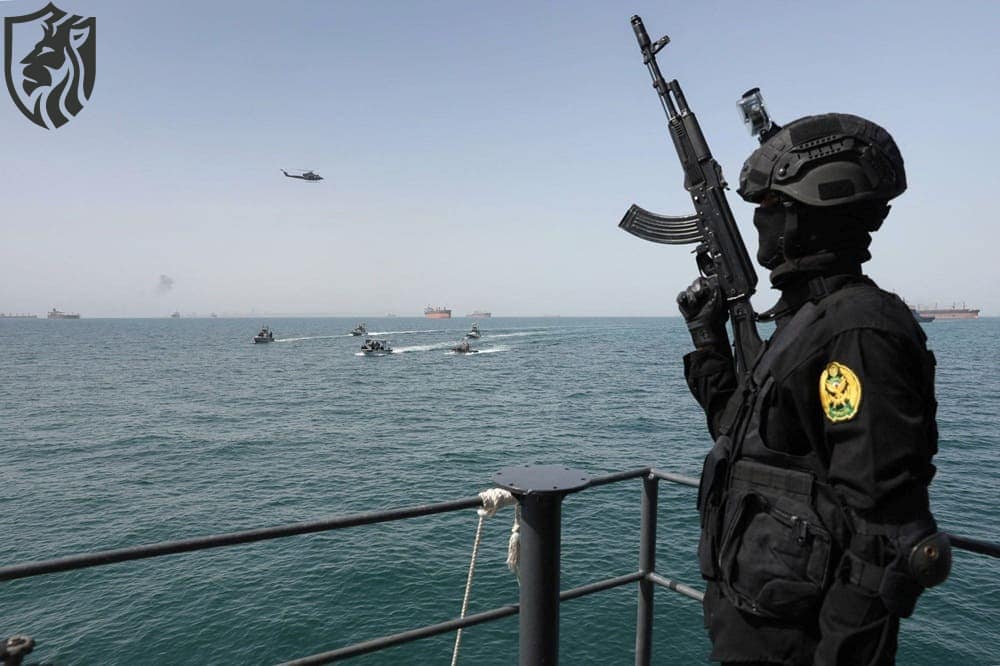
In other words, Tehran can attack the environment where the carrier strike group is operating, not the group itself. Defense readers monitoring air defense in the Middle East should also consider Iran’s stance at the tactical level. For instance, Iranian claims about air-defense engagements serve as a deterrent and signal to the public, despite the ongoing dispute over the details. See: Iranian Majid’s claim about air defense and its effects on ISR.
2023 Saudi Reset: Stability Bloc
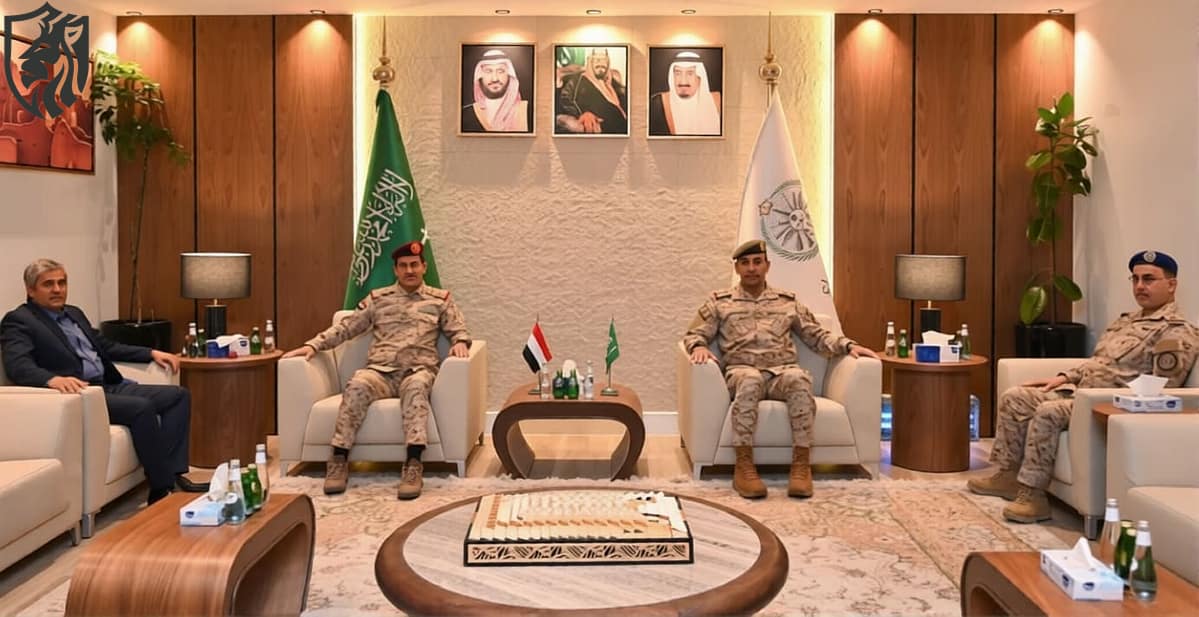
Iran spent years making things worse until it realized the security problems it had caused. As a result, Tehran tried to normalize relations with Saudi Arabia in 2023, with China helping and Oman and Iraq supporting the larger de-escalation track. That change is now paying off in terms of strategy. Regional players who are worried about another terrible war have reasons to keep both Washington and Tehran in check.
Saudi Arabia, Oman, Turkey, and Qatar can all say that restraint is in their security interests, not a gift to Iran. This method also takes advantage of a trait of Trump that the article talks about: he likes to signal loudly but hates to lose in public. When partners say “this war hurts us,” they make it more expensive for Washington to escalate the situation.
Tehran’s Practical Victory
Iran does not need a battlefield victory. Instead, it needs a political outcome that preserves regime survival, deters repeat coercion, and keeps its economy from permanent strangulation. That suggests three realistic aims:
- Avoid isolation: lock in regional diplomatic channels that reduce surprise and miscalculation.
- Raise the cost of coercion: make escalation harder to sell as “easy” or “quick.”
- Trade restraint for stability: support a regional security architecture that makes conflict less likely.
If done right, Iran’s strategy for gaining power in the region changes the competition from missiles versus carriers to legitimacy, access, and coalition management, where the US has fewer advantages. For a positive example of how politics can change strategy stories, look at Trump, Greenland, and the politics of “access.”
Conclusion
Iran cannot win a regular war against the United States. Still, it can win strategically by stopping Washington from reaching its goals at an acceptable cost. The most likely way to get there doesn’t involve matching US firepower. It involves neighbors, incentives for stability, and a regional stance that punishes escalation.
References
- https://www.iaea.org/sites/default/files/25/06/gov2025-24.pdf
- https://2017-2021.state.gov/background-briefing-on-president-trumps-decision-to-withdraw-from-the-jcpoa/
- https://iranprimer.usip.org/blog/2023/mar/10/iran-and-saudi-arabia-restore-ties
- https://apnews.com/article/146b4072f1f6cc43cfd3bde740313a5c
About the Author