
Iran Buys Chinese Satellite equipment via UAE
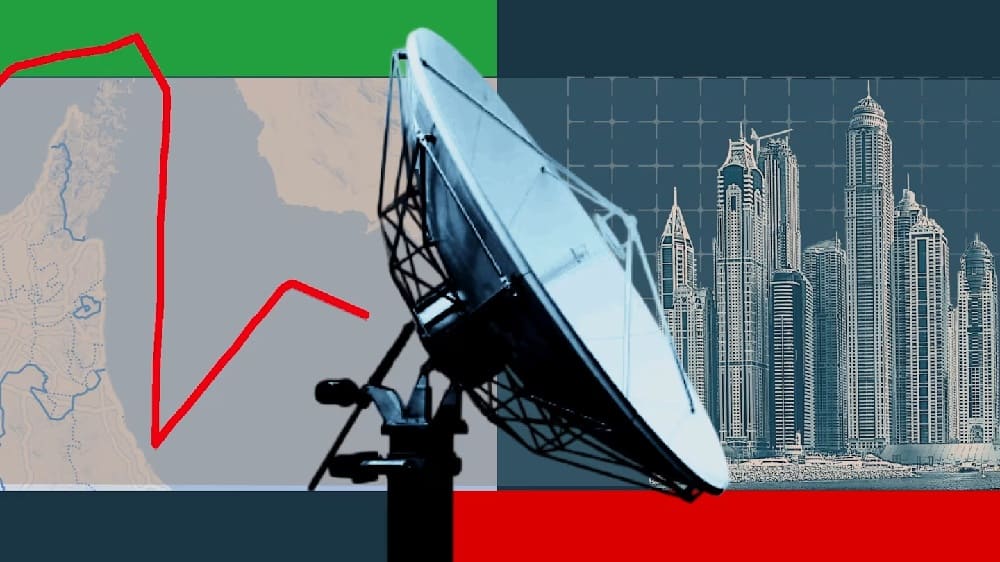
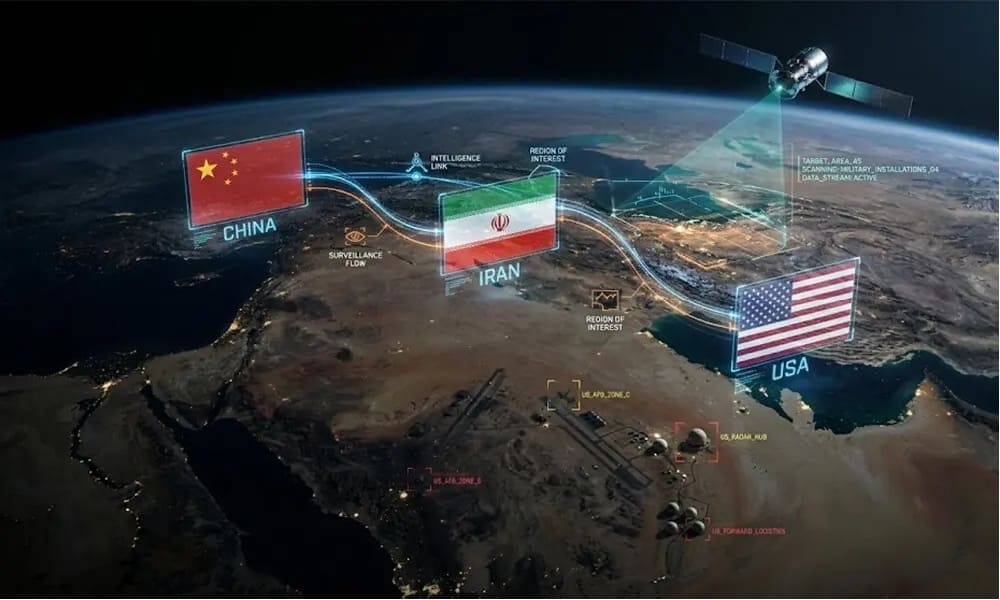
Iran is buying satellite equipment from China. This is a problem because these things can be used for military purposes. The Financial Times reports that the Islamic Revolutionary Guard Corps Aerospace Force in Iran used a company in the United Arab Emirates to obtain satellite hardware from China for its drone programme. The thing they bought was not a missile or a combat drone. Satellite communications equipment can still be very helpful for military operations.
For example, a big motorised antenna can help people control things from afar, even when they are not in line of sight. This antenna can be really useful when there are problems with radio signals because of distance or obstacles. Iran’s purchase of this satellite equipment is a prime example of how dual-use technology can be moved through ordinary commercial channels before it reaches military users, like the Islamic Revolutionary Guard Corps Aerospace Force.
Shanghai-Dubai-Iran Route
The Chinese-made antenna from StarWin was shipped from Shanghai to Iran in 2025. This Chinese-made antenna from StarWin travelled on a container ship called Zhong Gu Yin Chuan. The Chinese-made antenna from StarWin reached Dubai on 28 August 2025. The container with the Chinese-made antenna from StarWin stayed in Dubai for a while. It did not move until 23 November 2025. Then the Iranian vessel Rama III picked it up. The Rama III moved through the Persian Gulf.
It stopped for a bit off Oman. Some people looked at satellite pictures, and they think the ship was not really there. They think someone might have fooled the GPS system. On 29 November 2025, people saw a ship that looked like the Rama III in satellite pictures. This ship was going into the port at Bandar Abbas. The customs papers said the ship was carrying a six-case shipment. The papers described it as an antenna and some accessories. The Chinese-made antenna from StarWin and the accessories weighed 1.8 tonnes.
UAE Link in the Deal
The Financial Times found out that Telesun is the company that bought the hardware. Telesun says it is a company based in the United Arab Emirates that provides satellite communications systems to the Middle East and North Africa. The person who got the hardware in the end was Ertebatat Faragostar Kish, a telecoms company in Iran that is working on a project for Iran’s Saman Industrial Group.
This information is important because companies do not always know how they will use the things they buy and sell. A company that buys and sells things can get communications equipment for a telecoms customer. The equipment might end up in a military drone, missile, or something that someone uses for spying. So rule-makers must determine what constitutes a sale of satellite equipment and what is secretly aiding the military. Telesun and the satellite trade are part of this issue.
Satellite Links for Drones
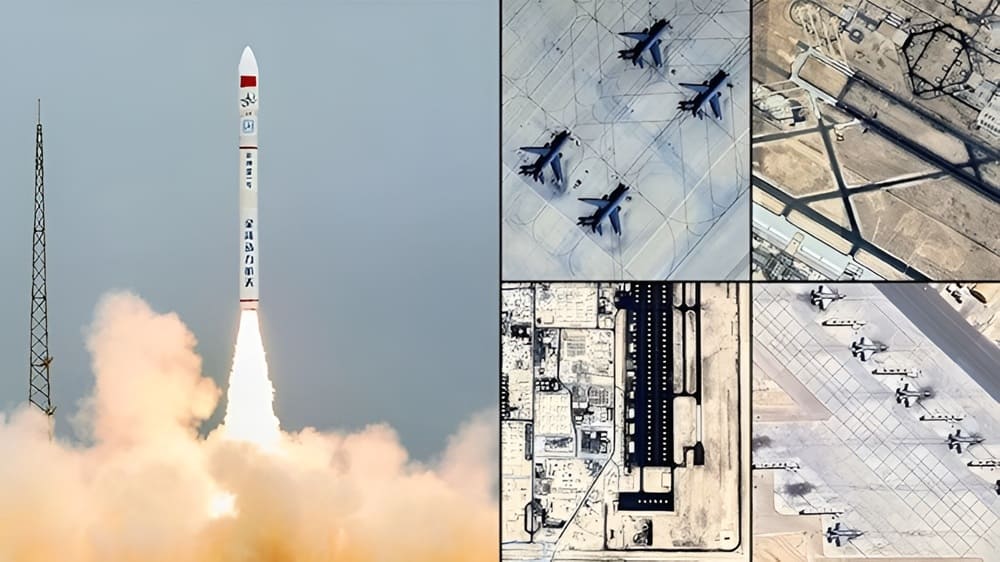
Iran’s Chinese satellite equipment is critical because it connects drones so they can work properly. Some drones can fly on their own for a time, but they have to follow a path that someone set before they took off. Satellite communications can make a difference in planning what the drones will do, locating new targets, getting information back from the drones and seeing what happened after they attacked.
The IRGC Aerospace Force can use satellite access to stay in control, even when the other side is trying to knock out its radar communication centres and launch sites. So the equipment on the ground that helps the satellites work is a part of the whole process even if it just looks like regular communication equipment. Iran’s Chinese satellite equipment is crucial in this case.
China-Iran Arms Concerns Rise
The satellite equipment case fits a wider pattern. The New York Times reported talks between Chinese companies and Iranian officials. Those talks reportedly covered possible weapons transfers through third countries. At least one route may have involved Africa. However, officials disagreed on whether any weapons had already moved. They also did not claim formal approval from the Chinese government. Even so, Washington, Gulf states, and Israel will remain concerned.
Basic commercial technology can still improve Iran’s military reach. It can also strengthen targeting, communications, and backup systems. At the same time, Gulf countries face a difficult challenge. They want open trade hubs to support regional business. However, sanctioned actors can exploit the same logistics networks. As a result, the case of the satellite equipment is significant beyond just one shipment. It reflects Iran’s wider effort to obtain technology through indirect channels. China-linked companies may now face closer scrutiny from Western and Gulf authorities.
Defense Assessment
One antenna is not going to change Iran’s situation immediately. This situation shows a clear shift in modern warfare. Space-enabled operations now depend heavily on critical ground infrastructure. Antennas, control equipment, and even shipping paperwork now matter as much as launchers. Therefore, defense analysts should closely watch three areas. First, the UAE may tighten checks on sensitive exports. Second, new sanctions on satellite-communications intermediaries may be imposed by the US. Third, more evidence may emerge of Chinese technology inside Iran’s drone systems.
References
- https://www.ft.com/content/371fee77-8637-4b99-ab5a-4b6fae253a44
- https://www.jpost.com/middle-east/iran-news/article-897114
- https://www.iranwatch.org/iranian-entities/saman-industrial-group
- https://timesofindia.indiatimes.com/defence/international/iran-secretly-bought-chinese-satellite-tech-via-uae-then-struck-abu-dhabi-report/articleshow/131292171.cms
About the Author