
Iran admits Russia and China Military Support
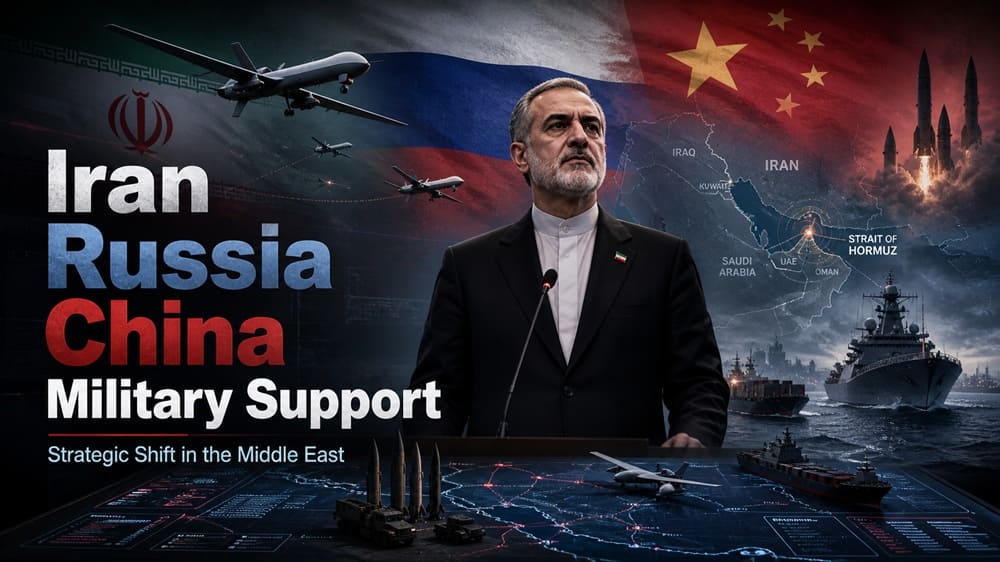
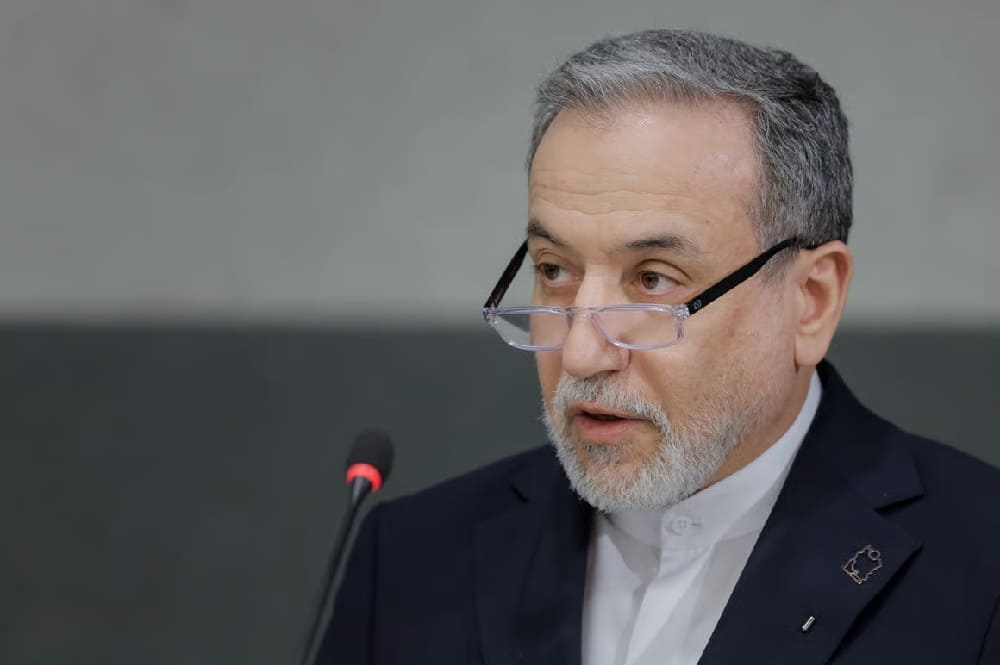
Iran acknowledges that military support from Russia and China has moved from a background alignment to overt diplomatic messaging. Iranian Foreign Minister Abbas Araghchi said Tehran maintains political, economic, and military cooperation with Moscow and Beijing, calling both states strategic partners amid rising tensions with the United States and Israel.
That statement is significant because Iran no longer portrays Russia and China as far-away diplomatic backers. Instead, Tehran sees them as part of a broader strategic network. It doesn’t automatically mean that Chinese or Russian forces will fight for Iran, according to defence planners. But it suggests that military technology, intelligence channels, logistics support, and diplomatic cover may now have greater operational clout.
Moscow’s Role in Iran
Russia’s value to Iran is practical. Moscow has gained extensive operational experience in the use of Iranian-made Shahed drones in Ukraine. As time went on, Russian industry adopted these systems with better navigation, improved production methods, and stronger battlefield integration. So any return flow of drone lessons, parts, or targeting knowledge would benefit Iran’s unmanned strike ecosystem.
The relationship involves mutual exchange. Iran provided Russia with drones that enabled Moscow to maintain long-range pressure on Ukrainian cities and infrastructure. In return, Russia can provide combat feedback, electronic warfare lessons, and operational data from one of the world’s most drone-intensive wars.
China’s Role in Iran
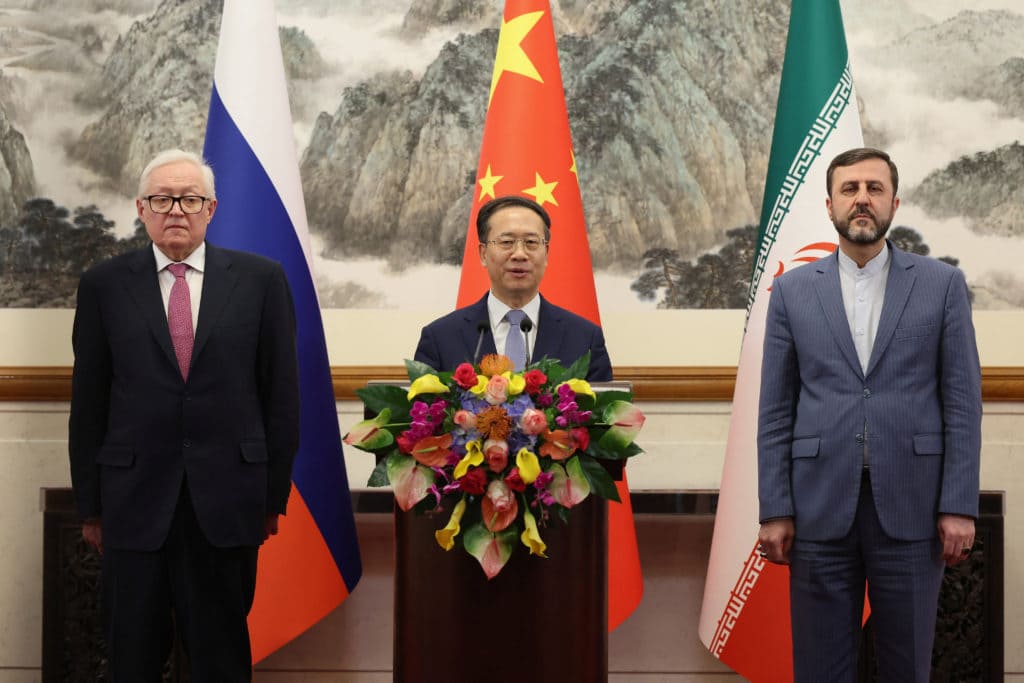
China’s role is different, but equally important. Beijing signed a 25-year pact on cooperation covering economic and political relations with Tehran in 2021. China also remains a key buyer of Iranian oil and a major diplomatic shield against isolation.
But China has stopped short of offering a formal defense guarantee to Iran. That difference matters. Beijing could offer dual-use technology, financial oxygen, and political backing but is unlikely to take on direct military exposure. This offers Iran strategic depth, but not a NATO-style umbrella of security.
Hormuz Shipping Risks
The reported remarks by Araghchi on the Strait of Hormuz add a maritime dimension to the crisis. The strait was not completely closed but limited to American and Israeli ships and tankers, he said. That selective approach allows Tehran to apply pressure without a full blockade.
There is still a real danger. The Strait of Hormuz is a critical artery for global oil flows, and energy markets are swift to react to any disruption. So even limited restrictions can increase insurance costs, delay shipping, and raise oil prices.
Key Defense Takeaways
Iran, Russia, and China should be seen as providing military backing in a tiered partnership rather than a singular alliance. Russia has combat experience and possible upgrades for its drones. China offers economic resilience and diplomatic room. Meanwhile, Iran provides geography, missiles, drones, and pressure points across the Gulf.
The real question is not whether Moscow or Beijing will openly make war. The more pointed question is whether their help eases Iran’s ability to impose higher costs on US and Israeli operations. If so, military support from Iran, Russia, and China could reshape deterrence, maritime security, and drone warfare across the Middle East.
References
- https://united24media.com/latest-news/iran-officially-confirms-military-support-from-russia-and-china-in-war-against-the-us-16882
- https://apnews.com/article/russia-iran-drones-shahed-war-israel-ukraine-840b4f885d99714bdb7813c0d56213cf
- https://www.reuters.com/world/china/iran-china-sign-25-year-cooperation-agreement-2021-03-27/
- https://www.eia.gov/todayinenergy/detail.php?id=65504
About the Author