
Indonesia selects M-346F Block 20 rejects F-15EX
At Singapore Airshow 2026, Indonesia’s fighter upgrade changed again. Boeing said its F-15EX bid is no longer active, and Jakarta signed a Letter of Intent (LoI) with Leonardo for the M-346F “Block 20.” The move looks like a step down from an Eagle II purchase, yet it could deliver more flying hours, more trained pilots, and steadier day-to-day air presence.
F-15EX Plan Fizzles
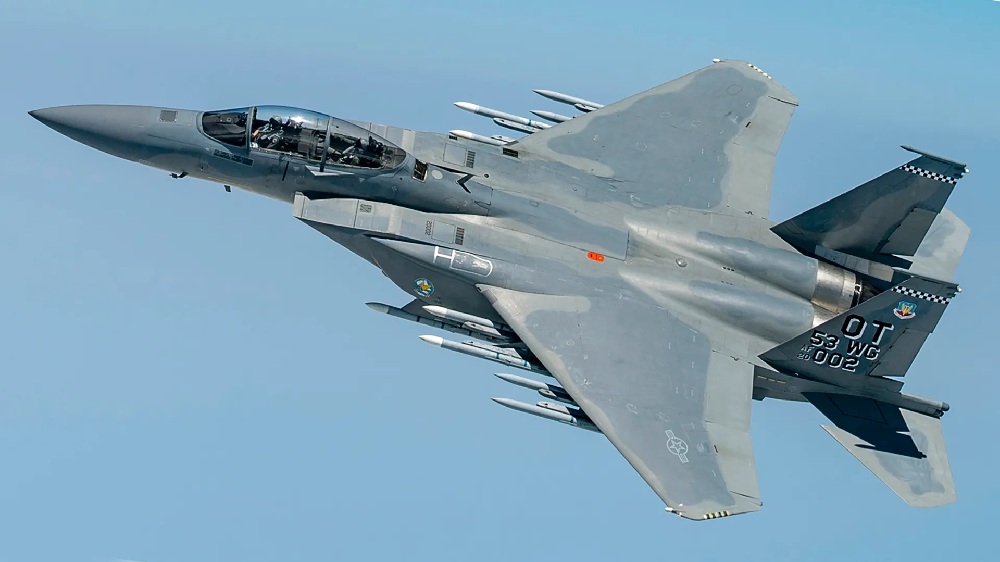
On 3 February 2026, Boeing VP Bernd Peters told reporters the company is no longer running an active F-15 bid for Indonesia. That leaves the August 2023 MoU for 24 aircraft without a follow-on contract. The Aviationist notes Indonesia could have fielded an export version often labelled F-15IND, which would have made it the first overseas Eagle II operator.
The plan also had U.S. clearance, but authorization is not a contract. In February 2022, the U.S. State Department approved a possible FMS sale for up to 36 F-15ID aircraft, and reporting put the estimate at $13.9 billion, yet that step only enabled talks. So, Indonesia can walk away without stopping a live build line.
M-346F Block 20: A Better Fit
Jakarta is choosing the M-346F Block 20 over the F-15EX because it needs output it can afford, not only peak performance on paper. Leonardo says the LoI aims to meet training and combat needs while replacing aging jets “such as the Hawk,” which Indonesia uses as trainers (Mk.109) and light fighters (Mk.209). That makes the choice about pilot hours and light-attack work, not just the next headline.
FlightGlobal adds that Indonesia selected the M-346 in July 2025 and is now pushing ahead with the F-model Block 20 version, and it notes Indonesia operates 21 Hawks. In short, the M-346F program targets daily flight rates and a smoother pilot pipeline for Indonesian defense planners.
Block 20: What You Get
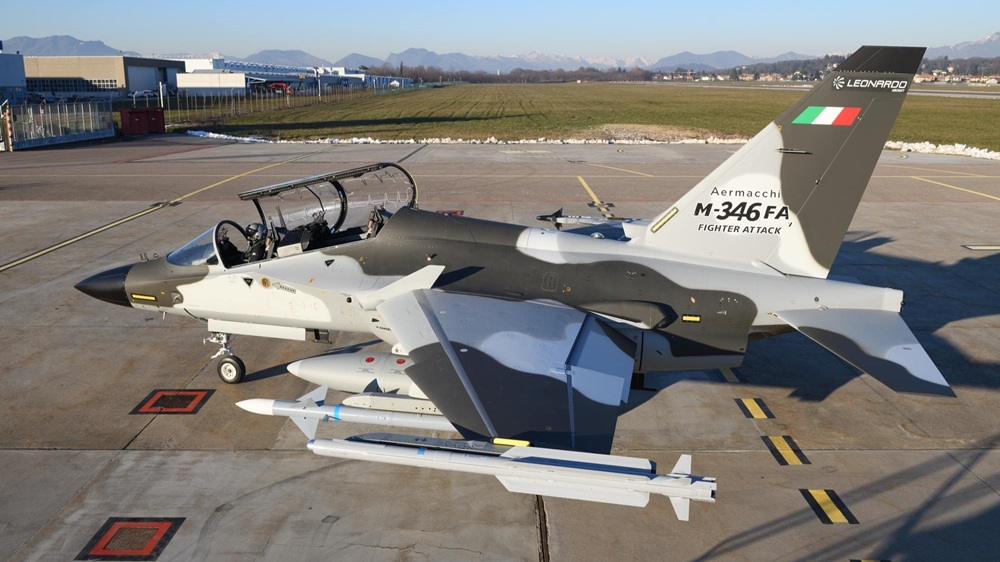
Leonardo positions Block 20 as a true light-fighter upgrade with credible combat systems. It features a large-area cockpit display, an AESA radar, Link 16, jamming, and updated weapons. It also pairs with a broader training ecosystem built around ground-based tools. Moreover, LVC training blends simulators with live sorties for more realistic preparation. The Aviationist highlights structural tweaks that strengthen the fighter pitch. Wingtip missile rails raise the total hardpoints to seven.
It also adds new antennas and an improved defensive aids suite (DASS). The jet can carry over 2,000 kg of stores across multiple stations. It supports air policing, close air support, maritime tactical support, and reconnaissance. Therefore, Indonesia can train fighter skills while handling routine tasks at lower operating costs. That approach preserves flight hours on higher-end fighters for priority missions.
M-346F vs F-15EX: Not the Same Category
The M-346F Block 20 and the F-15EX belong to different classes, so a straight head-to-head comparison doesn’t hold. The M-346F Block 20 works as a light fighter and lead-in trainer, built to keep flying hours affordable while supporting pilot conversion and routine air-policing tasks.
It brings contemporary avionics, flexible weapons options, and strong value for forces that need practical capability at scale. Meanwhile, the F-15EX is a heavyweight combat aircraft, designed for demanding air-superiority and deep strike missions with a big payload, long reach, and high resilience. So the real choice isn’t “better”; it’s matching missions, money, and long-term sustainment.
Local Support: The Real Prize
Uptime determines the success of air power, making the support language in the LoI crucial. Leonardo says the LoI includes local support, maintenance, overhaul, and training capacity, plus skills training, and FlightGlobal flags local MRO work as part of the deal. If Indonesia builds this right, it can cut wait times for parts and keep more jets mission-ready.
Leonardo also frames the M-346 as a proven training system, stating over 150,000 flight hours and nearly 160 aircraft sold, with pilots in 20 countries training on the type. Those figures do not remove risk, but they suggest a wider support base than a niche platform would offer.
Fit With Indonesia’s Broader Fleet
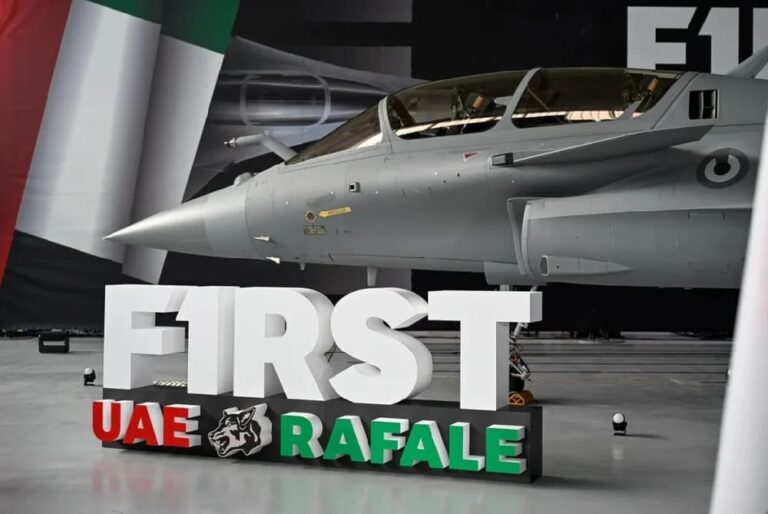
Indonesia is still buying top-end fighters, and that shapes what a “middle” jet must do. The Aviationist reports a roughly $8 billion deal in 2022 for 42 Rafales with training and simulators included. Reports also say Indonesia received its first three Rafales in January 2026 and based them at Roesmin Nurjadin Air Base in Pekanbaru, Sumatra.
Indonesia has also tried stopgaps and other tracks. The Aviationist says it signed a 2023 deal to buy Qatar’s 12 Mirage 2000-5 fighters, but it was cancelled in 2024, and reporting linked the saga to budget pressure. Meanwhile, Indonesia has pursued future options too: reporting in 2025 described a contract path for 48 KAAN fighters from Türkiye.
Conclusion
So, Indonesia selects the M-346F Block 20 as a workhorse inside a complex fleet. It can push pilots through lead-in fighter training and add lower-cost air presence that protects flying hours on Rafale-class jets. Local MRO could also help Indonesia hold a steady tempo across many bases and long sea lanes. An LoI is not a contract, so the next steps are where the story turns real. Watch for aircraft numbers, delivery timing, the radar and weapon plan, and how deep in-country support really goes.
References
- https://theaviationist.com/2026/02/04/indonesia-abandons-f-15ex-selects-m-346f/
- https://www.leonardo.com/en/press-release-detail/-/detail/04-02-2026-leonardo-pt-esystem-solutions-and-the-ministry-of-defence-of-the-republic-of-indonesia-sign-m-346-f-aircraft-letter-of-intent-to-meet-indonesian-air-force-training-and-combat-requirements
- https://www.flightglobal.com/defence/indonesia-advances-m-346f-acquisition-through-leonardo-pact/166204.article
- https://www.twz.com/air/f-15ex-buy-dropped-by-indonesia
About the Author