
India BMD Tests Validate Layered Missile Shield
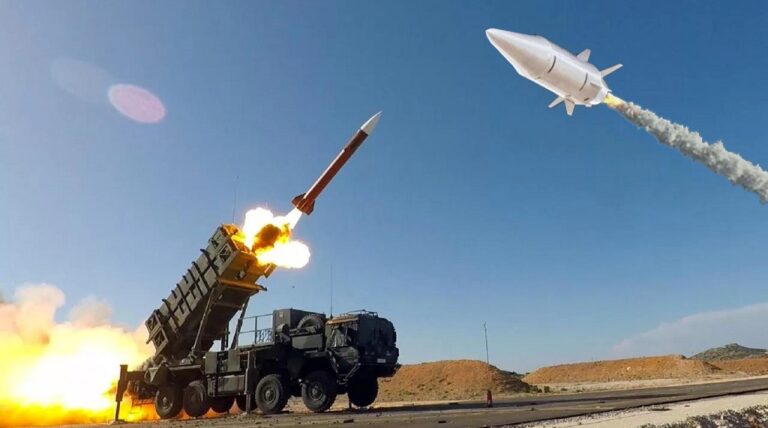
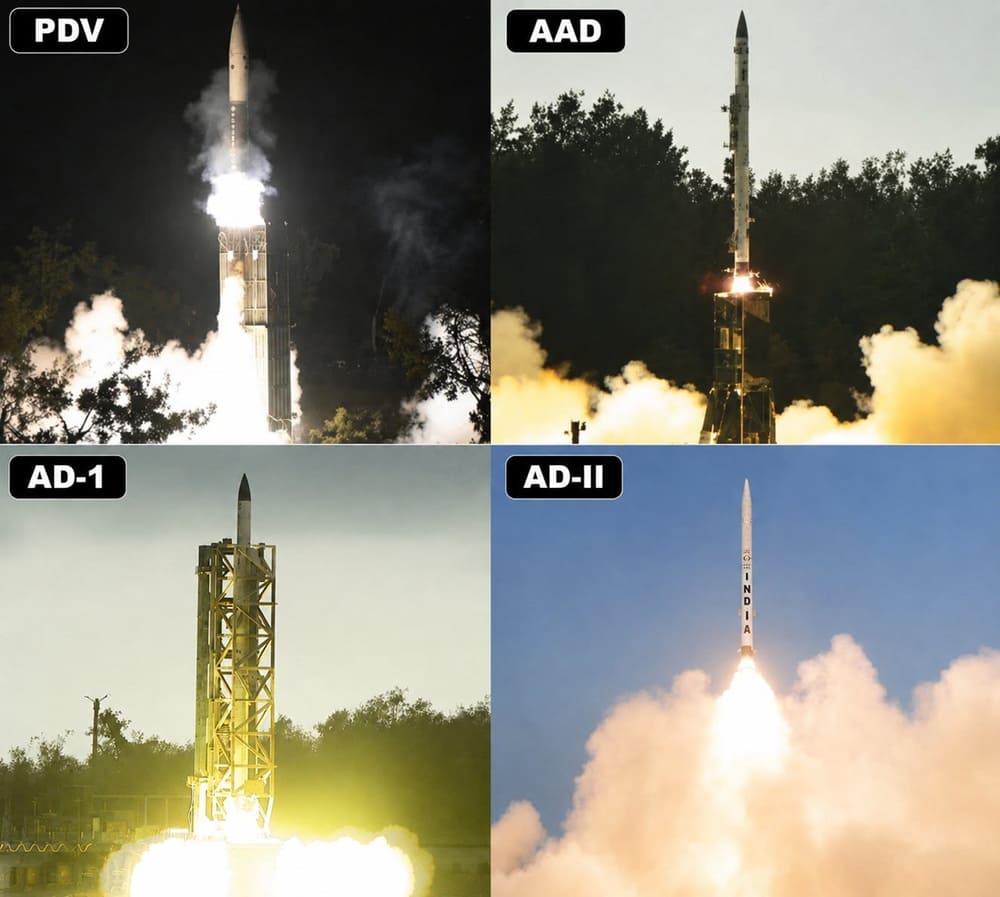
India has taken yet another pivotal step towards a more robust missile-defense posture, with the DRDO undertaking three consecutive and successive flight tests on 10 and 11 June 2026. The trials validated a multi-layered Ballistic Missile Defense system against long-range ballistic missile threats. In the same test cycle, the DRDO also conducted the maiden flight test of the Naval Anti-Ship Missile-Medium Range, or NASM-MR.
The India BMD tests are important because they address two combat requirements. First, they enhance India’s capacity to intercept high-value ballistic threats. Secondly, they provide a medium-range anti-ship capability for maritime warfare. Collectively, the trials point to a broader trend in Indian defense planning: layered protection, indigenous weapons and faster validation.
What DRDO Tested
The three tests were conducted back-to-back to demonstrate multi-layered defense against long-range ballistic missiles and medium-range anti-ship capabilities, the DRDO, India’s Ministry of Defense, said. In the area of ballistic missile defense, the interceptors were assigned their respective targets. The officials also said the systems include new technologies to counter emerging missile threats.
This is an important point. Modern ballistic threats are getting longer range, decoys, complex trajectories and faster terminal phases. So a credible missile shield must be able to detect, classify and engage threats in layers. India’s BMD tests show the DRDO is ready to demonstrate this chain under more severe operational conditions.

Importance of Multi-Layered BMD
A multi-layer BMD system does not depend on one interceptor or one radar picture. Instead, it combines sensors, command links and families of interceptors. Each layer covers a different slice of the threat envelope. This gives commanders more than one chance to shoot down an incoming missile.
This structure is most relevant against medium-range and long-range ballistic missiles. These weapons move at very high speeds and reduce the time for decisions. Missed interceptions can have strategic implications. But a layered architecture can improve survivability by providing multiple engagement opportunities.
The official statement that India can threaten the intercontinental ballistic missile class is important. It does not mean that India has built an infinite shield. This is not to imply that DRDO has proven technologies for high-end ballistic missile defense. The real combat value would still depend on sensors, speed of command, numbers of interceptors and target complexity.
NASM-MR Maritime Strike
The maiden flight test of the NASM-MR is significant as it links missile defense with sea control requirements. The Indian Navy faces a wider naval challenge in the Indian Ocean, where anti-ship reach can provide deterrence without constant fleet exposure.
As the programme matures, the NASM-MR could become another indigenous strike option for naval planners. Air, surface and coastal forces can use medium-range anti-ship missiles to keep enemy ships at risk. Most importantly, domestic development can also reduce dependence on imported stocks and allow for faster upgrades.
Here is where the India BMD tests fit into the larger narrative. DRDO is not just upgrading its homeland defense capabilities. It is also building a missile ecosystem that includes interception, precision strike and maritime denial. NASM-MR is not a footnote; it is a parallel signal for defense watchers.
South Asia Impact
India’s missile shield will impact strategic calculations across South Asia. Better interception may affect deterrence assumptions, and Pakistan will watch the tests closely. China will also be watching India’s sensors and the space support and command networks.
However, missile defense does not always work. It usually complicates the enemy’s planning. An adversary might respond with additional missiles, decoys, manoeuvrable re-entry vehicles or cruise missiles. BMD’s real strength is risk mitigation, not absolute immunity.
India’s improved defense could safeguard key political, military and command centres in a crisis. But the system has to grow outside controlled trials. It requires reliable deployment, continuous radar coverage, skilled crews and sufficient interceptors to meet saturation conditions. So, in that sense, the tests of June 2026 are a step forward, not the end of the queue.
Industrial and Technology Signals
The tests are part of India’s larger narrative of self-reliance. Now, private-sector activity in propulsion and unmanned systems complements DRDO’s missile work. India’s push to develop high-speed engines is attracting attention in the missile and drone space.
The basis of missile defense around the world is now production depth. The U.S. is increasing its dedicated production capacity for interceptors for homeland defense. India appears to be taking the same route, but with a different industrial model.

What to Watch Next
Now several important questions arise. Will DRDO disclose the interceptor altitude, kill mechanism and radar integration details? Will NASM-MR be able to reach user trials quickly from the first test? Can Indian industry produce these systems on an operational scale?
The next target profiles may be more challenging. DRDO will have to validate interception against manoeuvring threats, countermeasures and multiple targets. NASM-MR also will have to show seeker reliability, sea-skimming performance and resistance to electronic warfare.
Conclusion
The Indian BMD tests represent a significant advance in India’s multi-layered missile defense roadmap. DRDO conducts interceptor engagement, a multi-layered shield, and adds NASM-MR to the public test record. Meanwhile, the real test will be the scale of deployment, repeatable test data and integration with operational forces.
At present, India has signalled its desire for more than just token missile tests. It requires a combined missile-defense and maritime-strike architecture. So, defense analysts, regional planners and military technology watchers will need to pay close attention to these June 2026 tests.
References
- https://www.pib.gov.in/PressReleasePage.aspx?PRID=2272374
- https://timesofindia.indiatimes.com/defence/india-joins-elite-group-of-nations-with-bmd-capability-as-drdo-conducts-3-missile-tests/articleshow/131711987.cms
- https://defensenewstoday.info/paninian-yantur-ramjet-engine-indias-supersonic-push/
- https://theprint.in/defence/phase-2-of-ballistic-missile-defence-completed-india-in-elite-group-with-capability-to-neutralise-icbms/2958767/
- https://defensenewstoday.info/lockheed-next-generation-interceptor-factory-opens/
- https://timesofindia.indiatimes.com/defence/news/drdo-successfully-tests-long-range-land-attack-cruise-missile/articleshow/131746378.cms
About the Author