India and UAE sign Defense pact
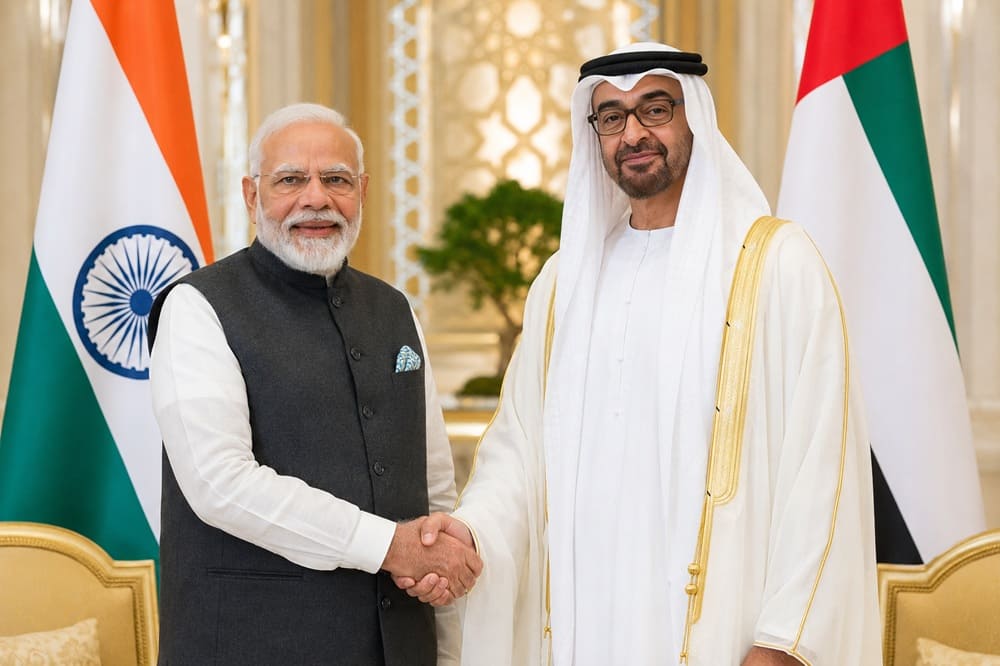
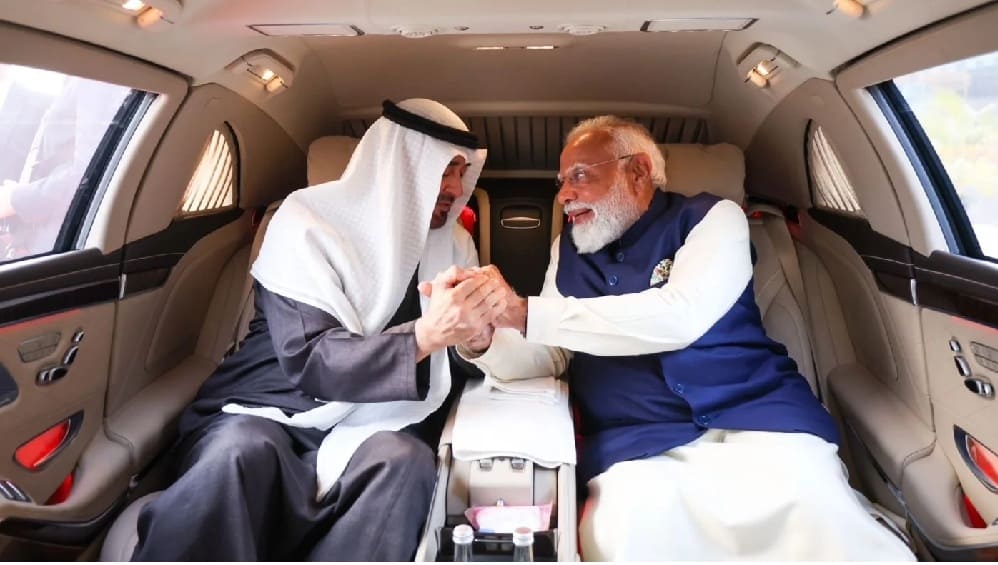
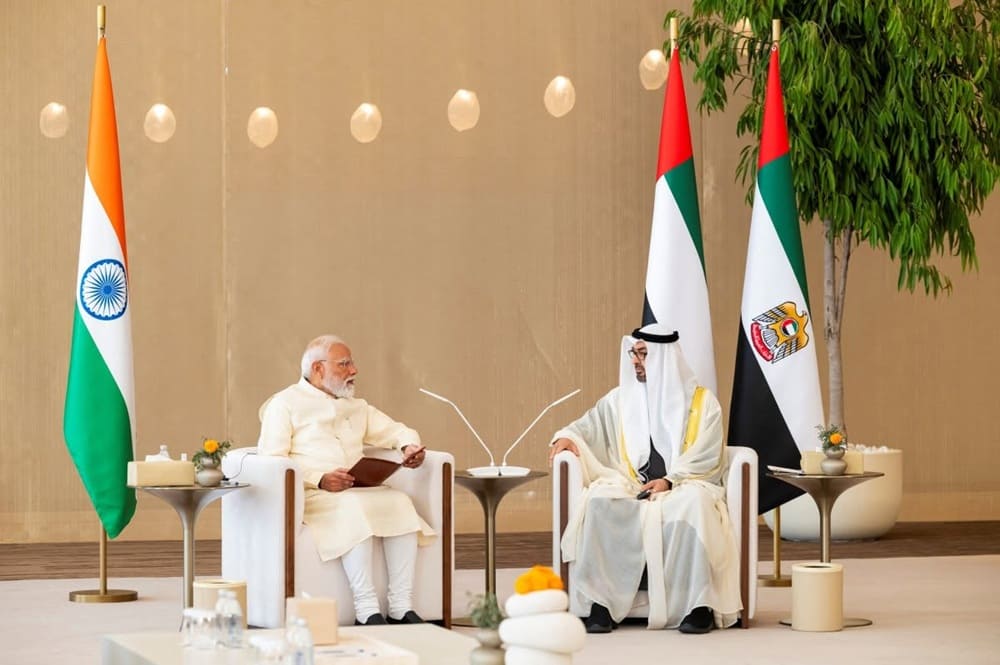
The real weight of Gulf security now rests on India-UAE defense pacts. Prime Minister Narendra Modi met UAE President Sheikh Mohamed bin Zayed Al Nahyan in Abu Dhabi on Friday, signing deals covering defense, energy and shipping. The visit came amid tension with Iran that put under pressure Emirati ports, oil sites and Indian labourers.
The defense framework is broad and requires defense industry work, new technology, training, exercises, maritime security, cyber defense, safe links and data sharing. So this pact is not just about selling arms; it links ships, sensors, cyber tools and crisis response into one working plan. For more regional context, see Defense News Today’s Middle East coverage.
Abu Dhabi Seeks Partners
The UAE has faced threats from rockets, drones and missiles during the wider war with Iran. Abu Dhabi also blamed Iran for the attack on Fujairah, where a fire at an oil refinery injured three Indian workers. Modi condemned the strikes, using the meeting to underscore India’s support for the UAE.
Here people also matter, as some 4.3 million Indians live or work in the UAE, so an attack on Emirati sites can easily become an Indian worry. The UAE also sits on key sea routes between India and the Gulf, as well as Africa and Europe.
Energy Security Drives Deal
India-UAE defense pacts also reflect India’s oil problem, as it imports around 90% of its oil and roughly half of that supply moves through the Strait of Hormuz. Thus, a naval crisis can push up the price of fuel within India in a matter of weeks.
The energy deals are meant to offset that risk, with one agreement looking at crude oil storage in Fujairah as part of India’s strategic petroleum reserve. Another agreement is on LNG and LPG storage links in India, while ADNOC may raise crude storage in India to 30 million barrels. This gives New Delhi more room to manoeuvre in response to shocks.
India already felt the squeeze. Recent fuel rises showed how war risk can travel from the Gulf to Indian consumers. But additional storage, long-term supply links and closer UAE ties can provide India a better buffer.
Shipping and Cyber Matter
The shipping deals are worth a look, because repair capacity determines wartime endurance. Cochin Shipyard and Drydocks World will set up a ship repair cluster at Vadinar, and a related skills pact will train maritime workers and support shipbuilding services.
Cyber defense also adds a modern edge to the India-UAE defense pacts, as secure communications and data exchange can help both sides identify threats, defend networks and respond faster. In a missile or drone crisis, speed is as important as the firepower. For related air-defense analysis, see Iran’s Heat-Seeking Missiles Threaten US Airpower.
Defense Assessment
For Abu Dhabi, India offers manpower links, a big market and a growing naval role. The UAE offers New Delhi energy depth, port access and political reach in a tense Gulf. The UAE also announced an investment of up to $5 billion linked to broader economic cooperation.
However, the deeper signal is security-driven, with India and the UAE now seeing oil storage, shipping routes, cyber defense and military industry as one connected theatre. This is a more confident Indian role near Hormuz for defense watchers.
References
- https://defensenewstoday.info/middle-east/
- https://www.indembassyuae.gov.in/page/indian-community-in-uae/
- https://gulfif.org/the-world-misunderstands-the-india-uae-relationship/
- https://www.ndtv.com/india-news/narendra-modi-uae-visit-uae-announces-5-billion-investment-in-india-as-pm-modi-visits-abu-dhabi-11501183
- https://defensenewstoday.info/irans-heat-seeking-missiles-threaten-us-airpower/
- https://www.pmindia.gov.in/en/news_updates/list-of-outcomes-pms-visit-to-the-uae/
- https://www.reuters.com/world/india/india-signs-pacts-with-uae-defence-petroleum-during-modis-visit-2026-05-15/
About the Author