Old Software Flaw Helped Create Su-30 and Su-35
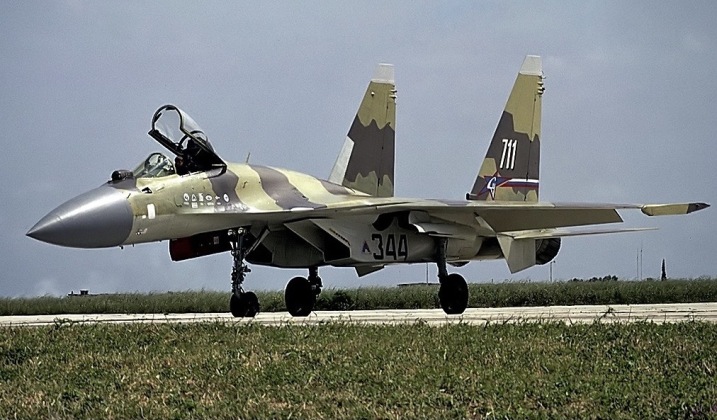
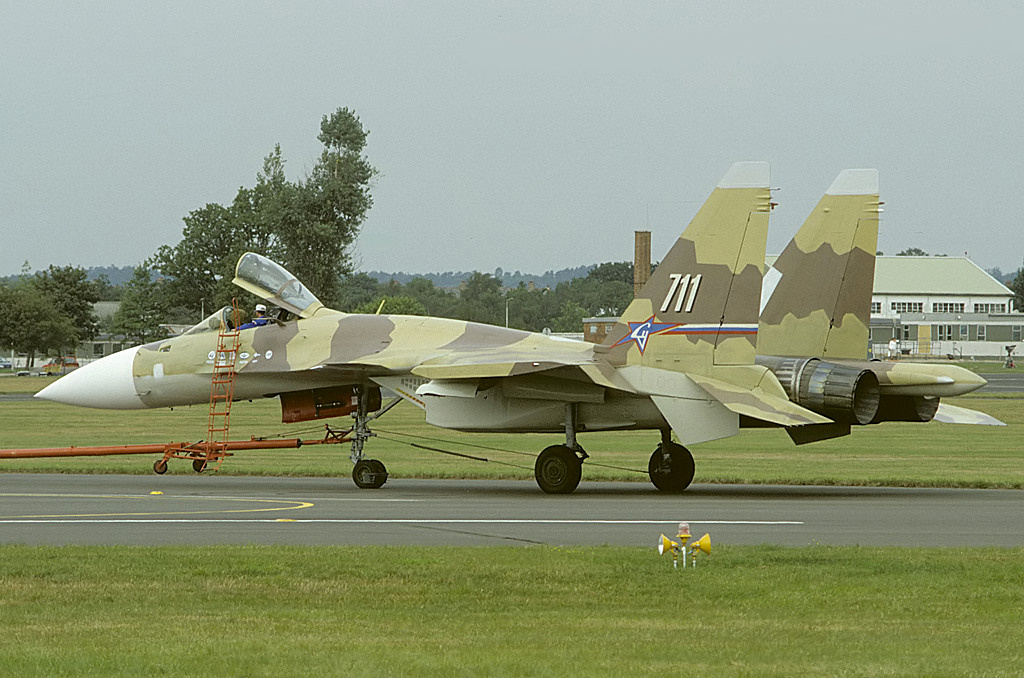
The Su-37 “Terminator” prototype programme ended in 2002 when a test flight crashed badly. However, this crash also set the stage for the future of Russian fighter planes. The Su-37 is about to change the way aerial combat works because it is so easy to manoeuvre. But a problem with the software caused it to fail, which changed Russian aviation history in a big way.
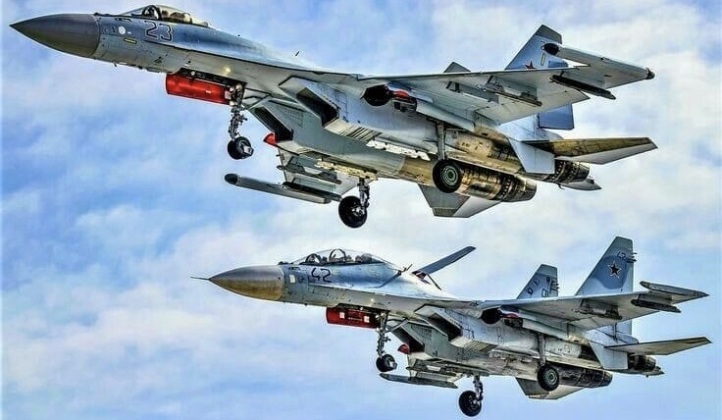
The Su-37 programme was cancelled, but the lessons learned and technologies created from that failed prototype have had a big impact on the design and capabilities of later Russian fighter planes, especially the Su-30 and Su-35. The Su-37’s new ideas and problems helped make these advanced jets, which are now crucial to Russia’s air force.
2002 Su-37 Crash
The Su-37 prototype looked like it would be one of the best fighter jets in the world. It had modern avionics and advanced thrust-vectoring engines, which made it very agile. One of its most famous moves was the Pugachev Cobra, which wowed onlookers. But there was a tragedy during a test flight near Zhukovsky. The skilled test pilot did complicated manoeuvres when the plane’s flight control system broke down.
The failure sent wrong information to the fly-by-wire system. Because of the failure, the Su-37 became unstable, and the pilot ejected before the crash. Investigators discovered that an important computer on board had broken down. That failure sent strange signals to the thrust-vectoring engines, which made the plane impossible to control. The crash ended the Su-37 programme and showed that Russia’s experimental flight control systems have problems.
From Crash to Progress
The Su-37’s sad end didn’t change the technological progress it showed. In fact, a lot of these new ideas were crucial in making the Su-30 and Su-35, which are now Russia’s most advanced fighter jets.
Thrust-Vectoring for Agility
The Su-37’s thrust-vectoring engines were a big part of what made it so agile. They let the plane change the flow of its exhaust. This technology was a key part of Russia’s next-generation fighters, especially the Su-30MKI and Su-35.
The Su-30, which originally had AL-31FP engines, directly benefited from the thrust-vectoring technology tested on the Su-37. The Su-35 took the technology a step further by adding the more powerful AL-41F1S engines, which increased thrust, efficiency, and fuel economy, making the plane faster and longer-lasting.
Fly-By-Wire for Precision
The Su-37 also tested its fly-by-wire system, which was another important technology. This system let the pilot have precise control over the plane’s unstable design. This system, which electronically controls the aircraft’s flight controls, formed the basis for the Su-35’s advanced control systems.
The Su-35 is one of the most agile and responsive fighters in the world because it uses complex algorithms and precise digital controls, just like the Su-37. The fly-by-wire system has come a long way, giving you even better performance and control, especially when flying in high-stakes situations.
Better Radar Detection
The “Bars” radar was on the Su-37 and was later used on the Su-30. This radar made it easier to identify and track targets, which is crucial in modern air battles. The “Irbis-E” radar was added to the Su-35, which gave it a longer range and the ability to track more than one target at a time. These changes made a big difference in fighting in the air and on the ground. Russian military aircraft later incorporated various advanced technologies explored by the Su-37.
Pilot-Focused Cockpit Features
The Su-37 was one of the first Russian jets to have multi-function displays (MFDs) and new weapons control, which are now standard in military planes. The Su-35 improved on these cockpit features by adding advanced digital tools that help pilots stay aware of their surroundings. Helmet-mounted cueing systems give pilots a tactical advantage in combat by letting them target enemy planes just by looking at them.
Su-37’s Unfulfilled Promise
If the Su-37 project had continued, it could have greatly impacted aviation in Russia and globally. If it had further refinements, the plane could have set new standards for agility and control, making it a strong rival to Western fighters like the F-22 Raptor.
Maneuverability Meets Stealth
over stealth. The F-22 and F-35 were designed to be stealthy, but the Su-37’s advanced engines and fly-by-wire system may have improved it at dogfights, allowing it to outmanoeuvre opponents in any situation. If the Su-37 had continued to improve, it probably would have gotten stronger and more efficient engines, and it might even have gotten stealth features to make it a better all-around fighter for both air superiority and deep strike missions. The Su-37 could have been a powerful force in both air and ground battles if it had a lower radar profile and better materials.
Future of Russian Fighters
If the Su-37 had kept going, it could have helped Russia’s fifth-generation fighter program get started and accelerate the development of the technologies used in the Su-57. Its improvements in thrust vectoring, fly-by-wire technology, radar, and cockpit layout may have made it a major player in Russian aviation for this century, giving it an edge over Western planes in terms of technology.
Su-37 Legacy
The Su-37 “Terminator” crash in 2002 brought an end to a promising time for Russian aviation. However, later planes such as the Su-30 and Su-35 utilised the technical improvements made in the prototype. The Su-37’s improvements in thrust-vectoring engines, fly-by-wire technology, radar, and cockpit systems still affect how modern Russian fighters are designed, keeping its legacy alive. Had it not been cancelled, the Su-37 could have transformed the landscape of air combat. Instead, the unrealised potential shows how advanced military aviation is a balance of risks and rewards.
References
- Russian Aerospace: The Su-30 and Su-35
- Flight Global—The Legacy of the Su-37
- Military Aviation – Su-37 Development and Crash
- Jane’s Defence Weekly—Russian Fighter Evolution
About the Author