

How a Long Iran War Could Bleed American Power
Long Iran War Costs
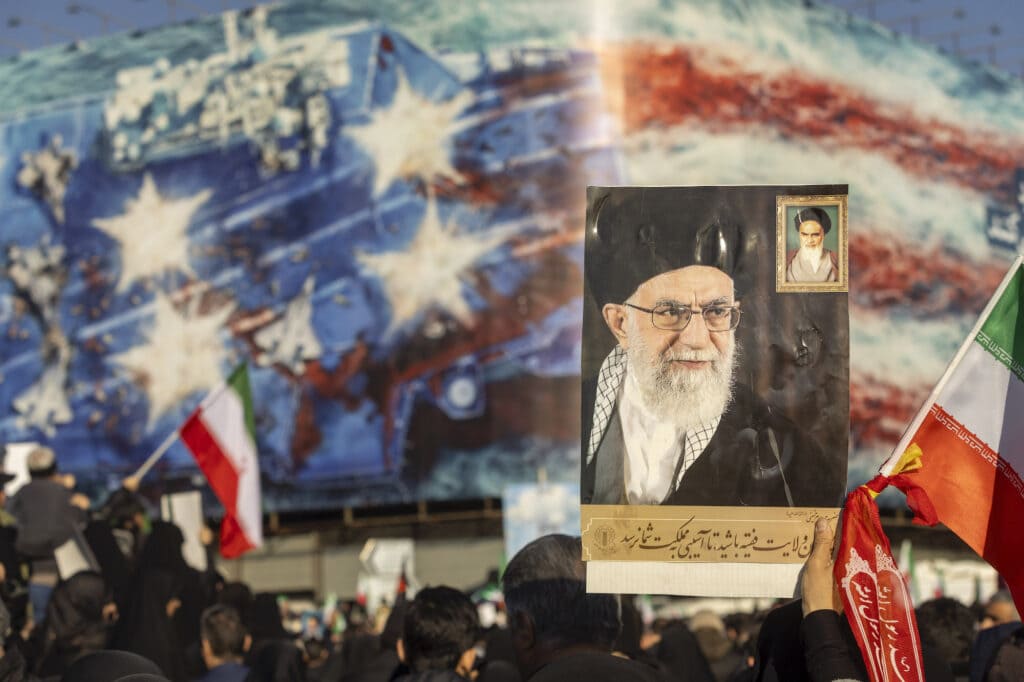
Not all wars that are decided in a week are the most dangerous. Some disputes become dangerous because they won’t go away. They undermine alliances, deplete treasuries, disperse strategic attention, and compel superpowers to spend enormous sums of money to demonstrate their continued dominance. That is the true threat in the conflict with Iran. What Iran can destroy today is not the only thing that poses a threat to Washington. It is what a protracted conflict can gradually weaken. According to the AP, the Pentagon estimated that the United States spent roughly $11.3 billion during the first week of the war. The Pentagon also stated that about 140 American service members had been hurt, some of them seriously.
That number is significant because it illustrates how easily a regional conflict can turn into a strategic burden on American might. Missiles, aircraft hours, air-defense interceptors, and maritime protection are just a few of the topics covered by the bills. Fuel markets, insurance premiums, deployment fatigue, emergency logistics, and domestic political tension are all areas where they proliferate. The United States can suffer harm from a conflict even if it does not result in a military defeat. It just needs to get lengthy, costly, and politically taxing.
Why Russia Gains From US Distraction
This is when Russia comes into the picture. Moscow doesn’t have to be in charge of things in the Gulf to benefit from them. Both Reuters and the Associated Press say that the war in Iran has already taken attention away from the Russia-Ukraine track. According to several OSINT accounts Kyiv said that its partners’ focus had moved to Iran. AP, on the other hand, said that Moscow seemed eager to take advantage of more instability and delayed diplomacy. For the Kremlin, every week that the US is distracted can ease pressure in other areas and give Russia time to regroup, make diplomatic moves, and take advantage of higher energy prices.
China’s Strategic Edge
China’s role is less important in public, but that doesn’t mean it’s not important for strategy. According to Reuters, Beijing told Pakistan and Afghanistan to settle their differences through talks instead of force. Chinese Foreign Minister Wang Yi also said that China was ready to work with the rest of the world to promote peace in Iran. In other words, there is no proof that China is openly trying to make the war worse. But Beijing can still benefit from a United States that is stretched too thin. Washington has fewer options when it has to split its attention between the Gulf, Europe, and the Indo-Pacific. That isn’t a conspiracy. That is basic math for strategy.
Why Pakistan Still Matters
This discussion is most likely to be wrong about Pakistan. There is more than just public evidence that Pakistan “dragged” the US into the Iran war. Current reports, on the other hand, say that Pakistan is trying to control spillover, protect shipping, and warn about bigger risks. As tensions rose around Hormuz, Pakistan started a maritime security operation to protect trade routes, according to OSINT accounts. Other reports say that Islamabad has told the U.N. that it is worried about the breakdown of diplomacy and the risks that come with Iran’s nuclear issue. That doesn’t mean that Pakistan is secretly running the war. But it does show how important Pakistan is when there is fighting in the Gulf-Afghanistan-Iran area.
History is another reason why Pakistan is important. Pakistan’s intelligence system, along with those of the US and Saudi Arabia, was one of the main ways that support got to the Afghan mujahideen during the war against the Soviets. Several news agencies also said that Pakistan’s supply routes were very important during the war in Afghanistan led by the U.S. Those examples don’t show that Pakistan can use the same strategy in every new crisis. They do show why analysts keep going back to Pakistan when a big power gets stuck in a long regional war. Geography, logistics, intelligence, and politics across borders can be just as important as raw firepower.
Why the US is not winning?
Pakistan in a single word. Washington has learned the same harsh lesson from the mountains of Afghanistan and the larger arc surrounding Iran: mastery is not the same as power. Even with carriers, bombers, and missiles at its disposal, America is stuck in a war that won’t end. Afghanistan turned into a timeline graveyard. Iran might turn into a furnace of perseverance. The costs increase, the front spreads, and the exit becomes more difficult the longer the war lasts. This is how powerful nations are undermined—not always by a single devastating blow, but rather by a protracted, ruthless conflict that continuously demands casualties, cash, and credibility.
Pakistan sees Iran as more than just a neighbor; it is a strategic gateway and an important buffer on its western side. That is why Islamabad would see the fall of Iran as a direct threat to its own security. In this situation, any long-lasting conflict could last for years. China, Russia, and Pakistan all have strong reasons to make sure that Iran doesn’t fall apart completely.
The Economic Pressure Point
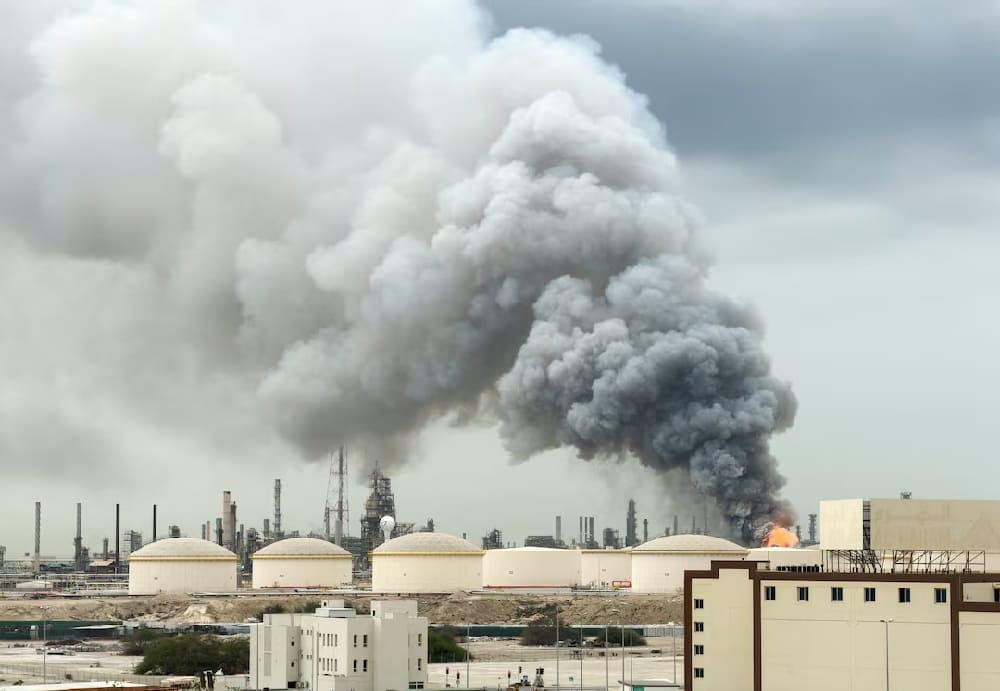
The real strategic shock, though, is in the economy. Reports from the past few days from AP and Reuters show that the war has messed up shipping calculations and raised concerns about infrastructure and maritime traffic in the Strait of Hormuz. Iran has threatened important ports and facilities in the region, while the US and its allies have talked about how to keep sea lanes safe. Pakistan itself took steps to protect merchant shipping because open sea routes are very important for its trade and energy flows. When a war threatens transportation routes, it stops being a local battlefield and starts to raise costs around the world.
The US cares about that because it’s harder to bomb away economic problems than a missile launcher. When oil prices go up, inflation pressure spreads. Trade costs go up when shipping insurance goes up. If deployments grow, so do maintenance costs and the need to be ready. Both Bloomberg and the Associated Press reported on the high costs of the early U.S. war. The market’s reaction shows how quickly instability in the Middle East can change people’s minds about things that have nothing to do with the region. One enemy rarely brings down a superpower with just one perfect blow. They get weaker more often because they have to keep spending money on expensive solutions to many problems.
The Trap of a Long War
Then there’s the trap for the military. Washington can hit hard and fast, but it’s much harder to end a war on terms that everyone can agree on than it is to start one. Reuters has reported on U.S. casualties and on the scrutiny that battlefield incidents get, including investigations into strikes that affect civilians. As campaigns go on, every death, every mistake, and every target that is questioned makes things more tense politically. In those conditions, having a stronger military can go along with being strategically frustrated. That is the lesson that still rings true from past American wars: having more firepower doesn’t always mean a clean endgame.
Could US Credibility Erode?
This is why you should be careful with the phrase “America’s myth could shatter.” If taken literally, it is too dramatic, but it has a serious warning underneath. One war is not likely to make the United States lose its power. But credibility can fade. Deterrence is open to scrutiny. Budgets can be tight. Allies can get anxious. Competitors can be more daring. Reuters said that Russia and China fought with the US and its allies at the UN over Iran. The UN Security Council has already had to take emergency action because of the conflict. As the war goes on, rivals have more chances to test Washington in other areas.
The Real Danger
So the most upsetting conclusion is also the most sober one. A major loss on the battlefield may not be the worst thing that could happen to Washington. It could be a long, drawn-out war that rewards those who can last the longest, takes attention away from other fronts, makes some rivals richer by raising energy prices, and forces the US to keep paying to keep things from getting worse. Russia can gain from being distracted. Even though China publicly calls for restraint, it can still benefit from America’s overextension.
Pakistan, because of geography and history, can become an unavoidable state in any wider regional equation without being the war’s puppet master. There is no one secret master plan that is the danger. The problem is that a lot of competitors might want a long war instead of a short one for different reasons. And that’s what really gets the strategic goosebumps going. Not the first hit. Not the most eye-catching headline. This theory isn’t very cinematic. The real danger comes in the months after that, when costs go up, focus narrows, and the world’s strongest power learns that it doesn’t need to be defeated to be weakened. It just needs to stay in the fire.
References
- Associated Press. “Iran war cost the US an estimated $11.3 billion in its first week.” March 13, 2026. (AP News)
- Reuters. “Pakistan navy launches shipping security operation amid Middle East tensions.” March 10, 2026. (Reuters Connect)
- Reuters. “China urges Afghanistan, Pakistan to resolve tensions via talks, not force.” March 14, 2026. (Reuters)
- Reuters. “Pentagon elevates investigation into Iran school strike.” March 13, 2026. (Reuters)
About the Author