Houthi Tech Boosts Somali Piracy Range — PMPF Warns
Piracy off Somalia is reappearing inside a wider Red Sea crisis. That timing matters. When navies surge to protect one corridor, other waters thin out. Puntland officials now argue that Houthi support in Yemen adds a second layer: better navigation gear and tougher weapons for pirate crews. The headline “Houthis Provide Somali Pirates With Advanced Tech” captures the core risk: pirates can operate with more confidence, at longer range, and with better coordination. Yet the story is not just about gadgets. It is about whether a support network turns opportunistic raids into repeatable offshore operations.
GPS upgrades expand pirates’ reach
Puntland’s Maritime Police Force (PMPF) says some pirate groups have obtained state-of-the-art GPS satellite devices and weapons via Houthi militants or aligned actors in Yemen. Deputy intelligence chief Mohamed Musa Abulle told Somali media that the devices help pirates track commercial routes and plan attacks farther from shore, and that agencies suspect some pirates trained in Yemen. For ship operators, GPS does more than show a position. It enables time-on-target planning. Crews can estimate vessel speed, plot intercept points on sea lanes, and reduce search time at sea. Therefore, even small skiffs can work at a distance when a mothership supports them.
Eyl interdiction signals a supply route
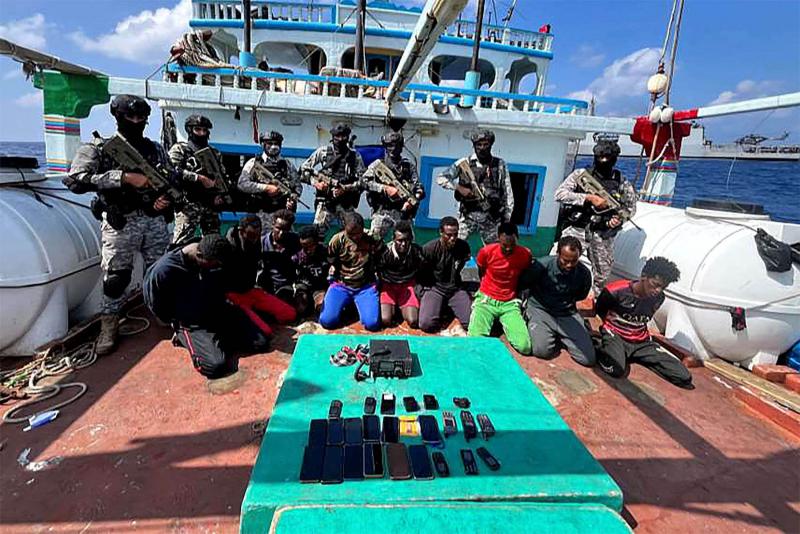
On 12 December, PMPF said it intercepted a small boat off Eyl in Nugaal region waters. Authorities arrested five Somalis and two Yemeni nationals onboard. They reported chemicals and materials linked to improvised explosive devices (IEDs). This seizure matters because it points to maritime logistics. Smuggling routes that move chemicals can also move trainers, communications kits, and cash. Moreover, the Yemen link complicates attribution because the same pathways can serve criminals, militants, or both.
UN: Houthis–al-Shabaab deal is transactional
A UN monitoring report described Houthi ties with Somali armed groups as “transactional or opportunistic and not ideological.” It reported at least two meetings in Somalia with Houthi representatives in July and September 2024. In that reporting, al-Shabaab requested advanced weapons and training and offered to increase piracy in the Gulf of Aden and off Somalia, including ransom collection and disruption of vessel movement. The subject is significant because it combines various security issues. Piracy becomes both revenue and leverage. As a result, counter-piracy becomes harder when it overlaps with militant supply chains.
Ransom money fuels offshore piracy
Puntland has seen piracy peaks before, especially around Eyl, once nicknamed “Harunta Burcadda” (the Pirate Capital). However, money still drives behavior. World Bank-backed research estimated US$339 million to US$413 million in ransoms from 2005 to 2012. The operational picture also shows a rebound. Operation Atalanta recorded 26 pirate attacks between 2013 and 2019, then none from 2020 to 2022, before assaults resumed with six in 2023 and rose to 22 in 2024. Trackers count incidents differently, yet the direction still pressures insurers and routing decisions.
Recent attacks show pirate adaptation
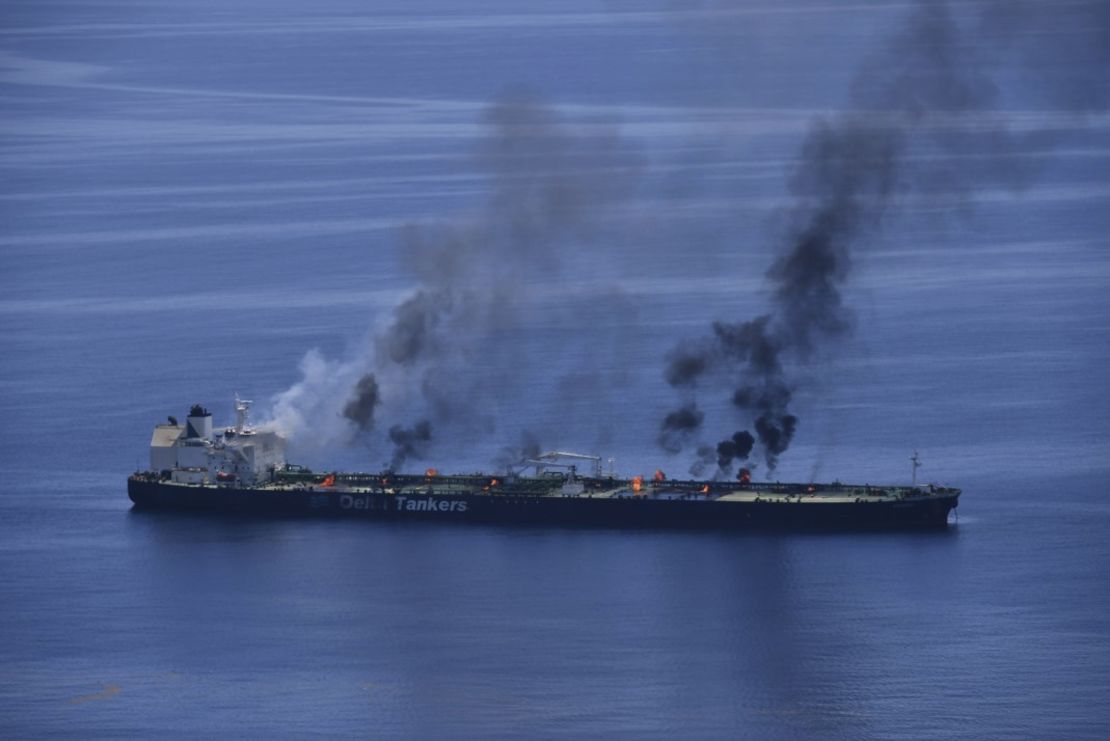
An early-November 2025 cluster illustrates the trend. Assailants opened fire while attempting to board the chemical tanker Stolt Sagaland in international waters well over 300 nautical miles off Somalia. Private security repelled the attempt. On 6 November, pirates fired RPGs and small arms before boarding the Hellas Aphrodite. The crew used the citadel and retained control until an EU warship under Operation Atalanta reached the tanker the next day.
Atalanta and PMPF capacity is stretched
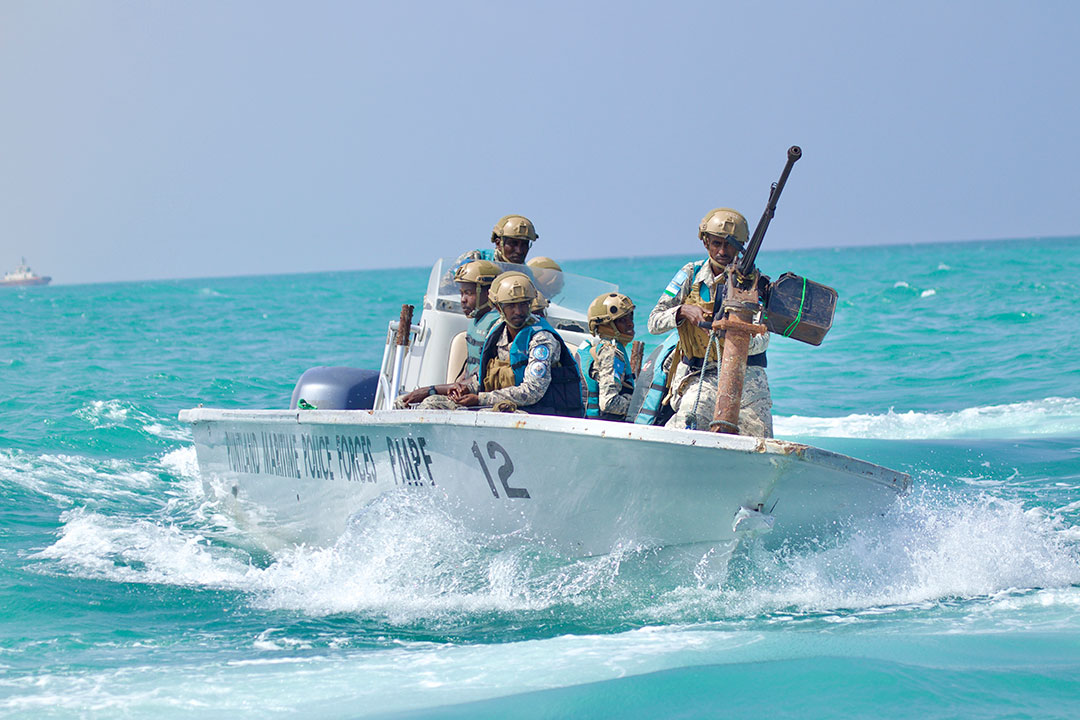
International navies have stepped up their patrols, and PMPF has evolved into a more proficient unit. Still, Puntland also runs a major inland offensive against the IS-Somalia Province in the Cal Miskaad mountains, which competes for personnel and attention. Meanwhile, researchers Timothy Walker and Halkano Wario warn about persistent gaps in multinational naval coverage. They also argue that the Red Sea focus leaves parts of the Western Indian Ocean vulnerable. For more maritime context, see our Africa coverage and Navy coverage.
What to watch next
The question is whether “Houthis Provide Somali Pirates With Advanced Tech” becomes a repeatable operating model. Watch for:
- There should be an increase in arrests or interdictions associated with Yemen near Puntland.
- There should be indications of well-organized training cycles.
- There has been an increase in mothership operations that extend beyond a range of 300 nautical miles.
- Ransom negotiations that signal higher confidence.
Conclusion
In parallel, ship hardening still works. Citadels, private security, and a rapid naval response stopped the Stolt Sagaland attempt and limited harm to Hellas Aphrodite. However, navies also need better maritime domain awareness, tighter intelligence sharing, and pressure on smuggling nodes. For now, “Houthis Provide Somali Pirates With Advanced Tech” should be treated as a practical warning, not just a headline.
References
- https://issafrica.org/iss-today/as-somali-pirates-make-a-comeback-collaboration-is-key
- https://fln.dk/afgh1661.pdf
- https://www.worldbank.org/en/news/press-release/2013/11/01/pirate-trails-tracks-dirty-money-resulting-from-piracy-off-the-horn-of-africa
- https://adf-magazine.com/2026/01/houthis-provide-somali-pirates-with-advanced-tech/
About the Author