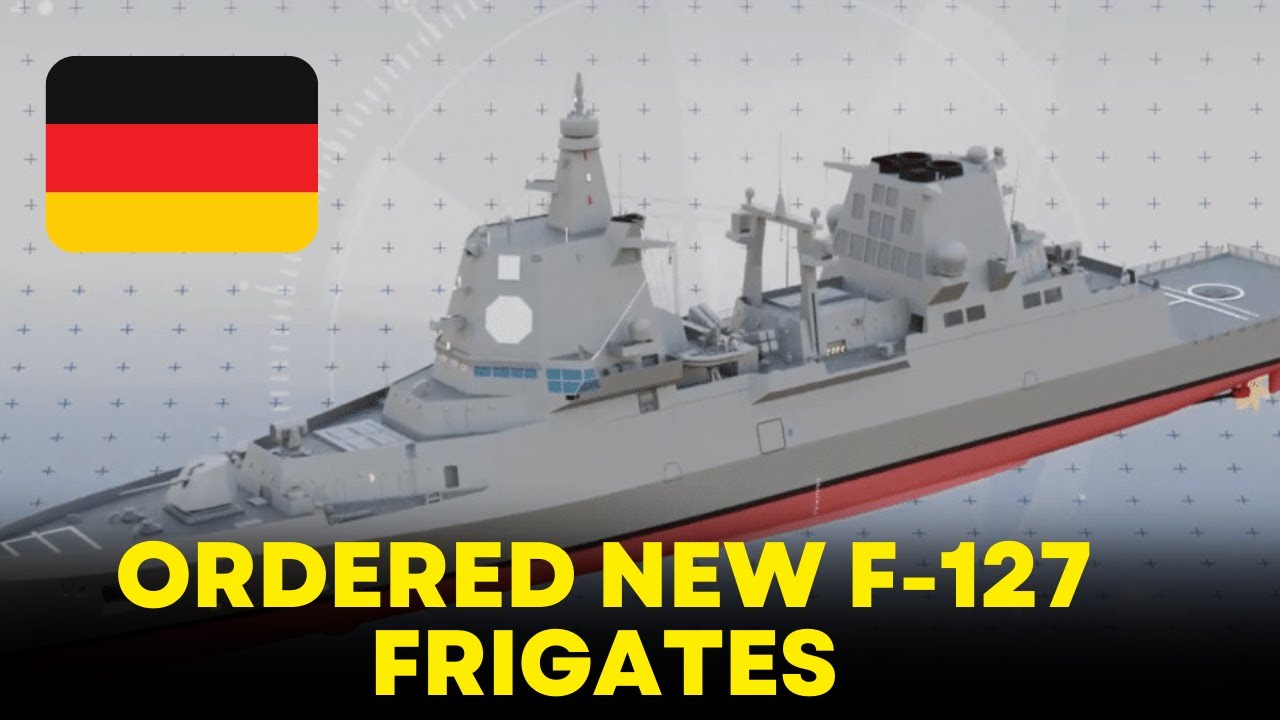
Germany to Build Six Type 127 Aegis Frigates
The Budget Committee of the German Bundestag has approved the funding for the construction of six new Type 127 air defense frigates, beginning with five and leaving the possibility of a sixth open. These new ships will replace the three Sachsen-class [Type 124] frigates that served from 2004 to 2006 and are expected to be retired in the early 2030s.
The Bundestag has approved the Type 127 design and construction program. A final choice about who the contractor will be is expected in early 2025. The Type 127 frigates’ main job will be to protect against ballistic and hypersonic missile threats and to hit targets on land and at sea.
These ships will have the American Aegis combat system built in, which will make NATO’s defense system work better. In September 2024, Thyssenkrupp Marine Systems (tKMS) and NVL Group (Naval Vessels Lürssen) worked together to bid on the project using the MEKO A-400 AMD design.
They could start building the new frigates as early as 2025 if thyssenkrupp Marine Systems wins the contract. This would make it easy to quickly switch to the more advanced Type 127 class, which would replace older German Navy ships.
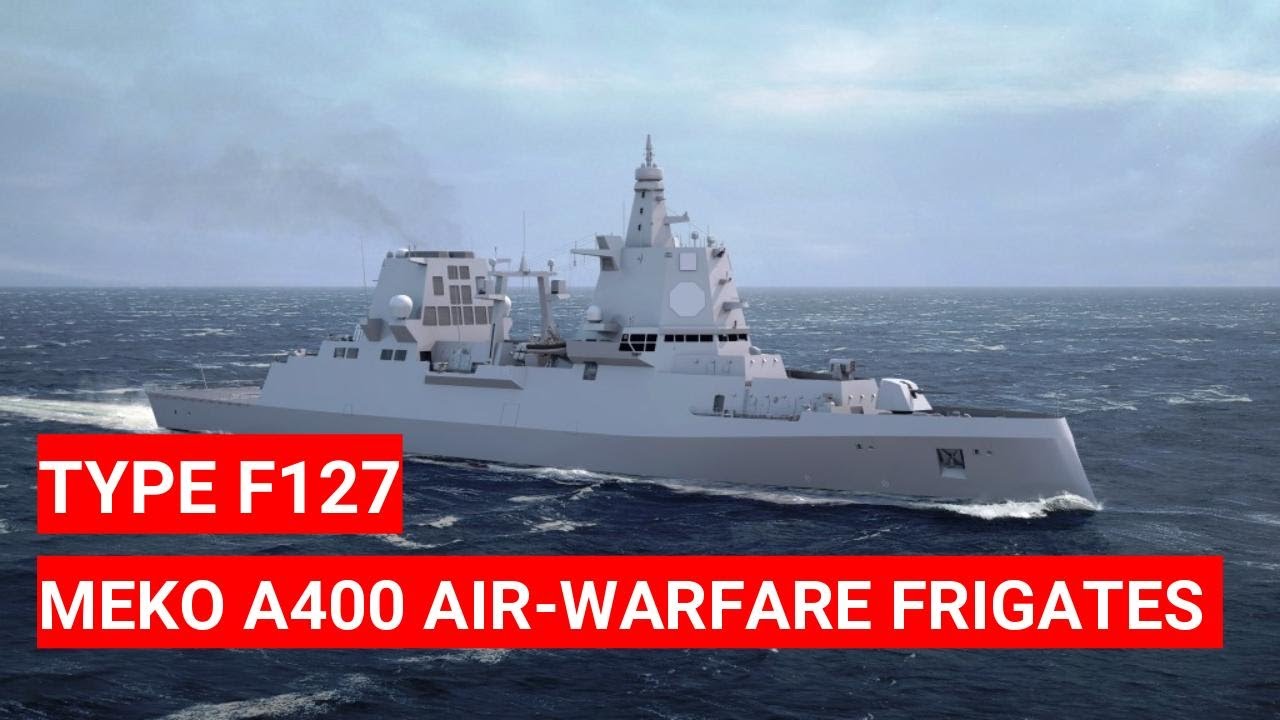
Type 127 Aegis Combat System
The U.S. manufactured the Aegis Combat System, which employs radar, sensors, and missiles to safeguard against various maritime threats. It protects against enemy ships, aircraft, and ballistic missiles by using advanced detection and targeting technology.
The AN/SPY-1 radar is a key part of Aegis. It can track many targets with outstanding accuracy. This radar can do many things and always covers the area, which helps the system respond to threats right away.
The Command and Decision system is also part of Aegis. It turns radar data into a clear picture of what’s going on. The system works as a control center, letting operators quickly and effectively figure out what threats are present.
Next, the Weapons Control System takes over and directs missiles to hit their targets. Aegis works with Standard Missiles like the SM-2, SM-3, and SM-6 to stop threats from the air and from missiles.
The onboard Vertical Launch Systems enable quick missile launches in various ways to address diverse threats and mission requirements. This launch flexibility makes the ship more ready for battle and better able to handle situations that change quickly.
The Aegis Combat System will give Germany’s Type 127 frigates a big boost in their abilities. These ships will be able to find threats faster and defend against missiles better with Aegis.
NATO’s Defense Networks and Type 127
The system has multiple layers of protection, including defenses against advanced hypersonic and ballistic missiles. Aegis processes data quickly, so Type 127 can easily connect to NATO’s defense networks.
It lets ships from different countries work together in real time during joint missions and multinational exercises. This compatibility makes the Type 127 frigates better at working together with other ships in naval operations.
The Aegis-equipped ships can share information and strategies, which makes the whole fleet’s defenses stronger. This network defense has a strong multiplier effect, making maritime security better for all NATO members.
The Aegis system will make the Type 127 frigates ready for the future by allowing for simple upgrades to deal with new naval threats. This flexibility keeps the ships up to date and ready to take on new naval defense challenges for many years.
Germany is building the Type 127 frigates to make its navy stronger and replace the older Sachsen-class ships. These new frigates will have cutting-edge technology made just for modern naval operations.
We expect the final design of the Type 127 class to have several important features, but the specifics may change. The frigates will probably weigh about 9,000 tons, which will make them bigger and steadier than older German warships.
This extra size will help carry more systems and improve the mission in rough seas. The ships will be about 150 meters long and have room for 200 crew members and mission specialists.
Diesel and Gas Propulsion System
A combined diesel and gas propulsion system (CODAG) will make sure that the vehicle is both fast and fuel-efficient. Gas turbines will make the ship go faster, and diesel engines will save fuel on long trips.
The propulsion system should be able to go faster than 30 knots and travel more than 6,000 nautical miles. The frigates can go on long missions and help with international naval operations because of this range.
The Aegis Combat System is a major highlight because it greatly improves air and missile defense. It will work with the AN/SPY-7 radar to find and follow threats from a long way away. This radar can guide precision weapons in real time while tracking multiple targets. The weapon system will have vertical launch cells for different types of missiles.
These cells will probably hold SM-2, SM-3, and maybe even SM-6 missiles to protect against different types of attacks. The overall design makes sure that Germany has one of the best and most flexible future warships in Europe.

Furthermore, the ships will probably have advanced anti-ship missiles, torpedoes, and a naval gun system, like a 127mm gun for attacking targets on the surface and bombarding positions on the shore.
Close-in defense systems like RAM (Rolling Airframe Missile) or CIWS (Close-In Weapon System) will make threats less likely to happen. The frigates will also have strong electronics that will keep them safe in tough environments by neutralizing threats that come their way.
Conclusion
We also expect that their command and control systems for network-based operations will make it easier for them to work with other naval forces and NATO. Designers will equip the Type 127 frigates with modern sleeping quarters, medical areas, and relaxation spaces for extended missions.
These features will greatly improve the morale of the crew and help them last longer during long deployments. Furthermore, the frigates will have special areas for unmanned aerial vehicles (UAVs) and other specialized equipment, which will make them even more flexible for different types of missions.
The Type 127 frigates are a big step forward for the German Navy as a whole, making them more important in both European and global waters. These ships will help Germany stay a top naval power in the future by using cutting-edge technologies.
References
- German Navy’s Future Type 127 Frigates and Their Role in NATO Defense
Source: Naval News - Aegis Combat System Overview: Enhancing naval defence capabilities
Source: Lockheed Martin - Thyssenkrupp Marine Systems and NVL Group’s Bid for Type 127 Frigate Project
Source: Defense News
About the Author