Germany becoming Europe’s strongest military by 2039
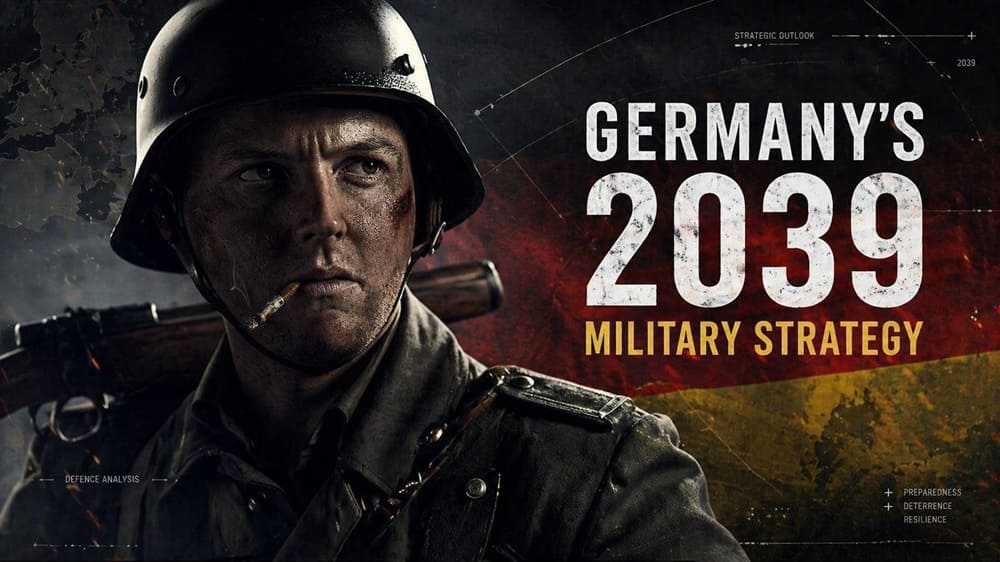
Germany’s military strategy for 2039 is one of the most significant changes to Europe’s defense since World War II. Berlin has gone past careful reform. It has now made a clear goal for the Bundeswehr. Germany wants it to be the strongest conventional fighting force in Europe by 2039. The German Ministry of Defense says that the new framework brings together several important areas. These include planning for military strategy, growing personnel, and reforming the reserves.
The war in Ukraine has changed a lot of what people thought they knew about European security. Because of this, NATO countries have had to strengthen their deterrence. Germany now wants a military that can scare Russia off. It also wants to make NATO’s eastern side stronger. Germany wants the Bundeswehr to be ready to fight if deterrence doesn’t work. The package connects threat assessment, force design, recruitment, reserves, and procurement into one plan.
Berlin Turns Strategy Into Action
On April 22, 2026, the German Defense Ministry showed off the new strategic package. It has the Bundeswehr’s first stand-alone military strategy, a capability profile, a plan for growing the number of soldiers, a new reserve strategy, and the EMA26 modernization agenda. Boris Pistorius, the Minister of Defense, called the papers “living documents.” The plan must adapt to technology, the configuration of Russian forces, NATO’s requirements, and industry constraints, making this crucial.
Germany wants more conventional responsibility for Europe and a stronger NATO role, so the direction is clear. The strategy, called Responsibility for Europe, says that Russia is the main threat and also shows a bigger picture of security. Germany doesn’t see Europe, the Middle East, and the Indo-Pacific as separate areas anymore. Instead, it sees connected theaters where multiple crises can stretch NATO’s resources and attention.
Why Effects-Based Planning Matters
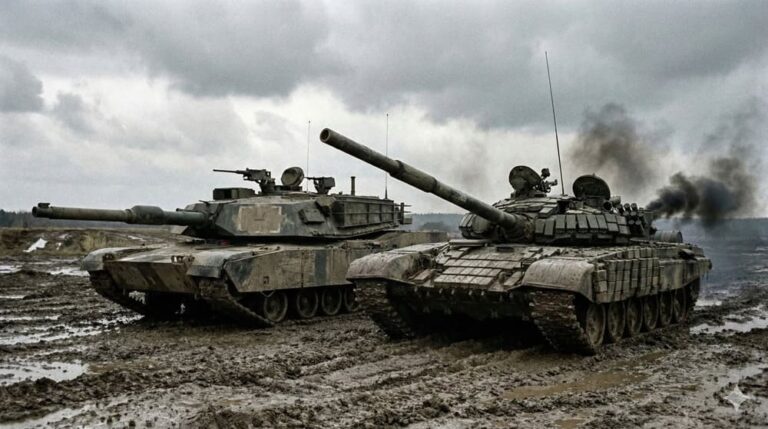
In 2039, Germany’s military strategy will also change how Berlin measures its combat power. The new capability profile doesn’t start with fixed hardware quotas. Instead, it asks what effects the Bundeswehr needs to deliver. That method works better in modern warfare. A tank number by itself doesn’t say much about deterrence because a strong force also needs air defense, electronic warfare, drones, and a lot of ammunition.
Furthermore, Ukraine has shown that things like attrition, sensors, cyber resilience, protected logistics, and industrial output are just as important as prestige platforms. Pistorius said that deep precision strike, counter-hypersonic air defense, and drones were the most important areas. Germany is especially bad at long-range strikes, so Berlin might need new missiles, targeting networks, and clearer plans for how to escalate.
Personnel Growth Is the Hardest Test
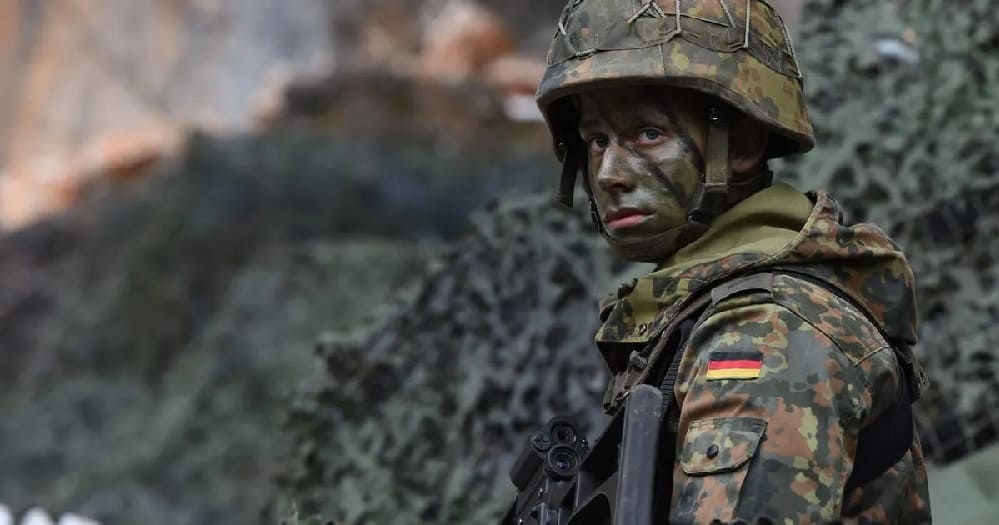
The personnel plan might be harder to make than buying equipment. There are about 185,420 soldiers on active duty in Germany right now. By the middle of the 2030s, the new goal is to have 260,000 active personnel and at least 200,000 reservists to back them up. That would make about 460,000 people ready for battle. The plan has three parts: quick improvements until 2029, more capabilities until 2035, and a technology-driven force by 2039 and beyond.
It makes sense to use this phased model because Europe can’t rebuild its combat mass all at once. But recruitment is still a strategic risk because Germany still needs to keep people, train leaders, and have enough instructors, not just more applications. Nicole Schilling, the Deputy Inspector-General, said that hiring is going 10% faster than last year and applications are going 20% faster. If voluntary recruitment doesn’t meet legal deadlines, conscription is still an option.
Reserve Becomes Core Force
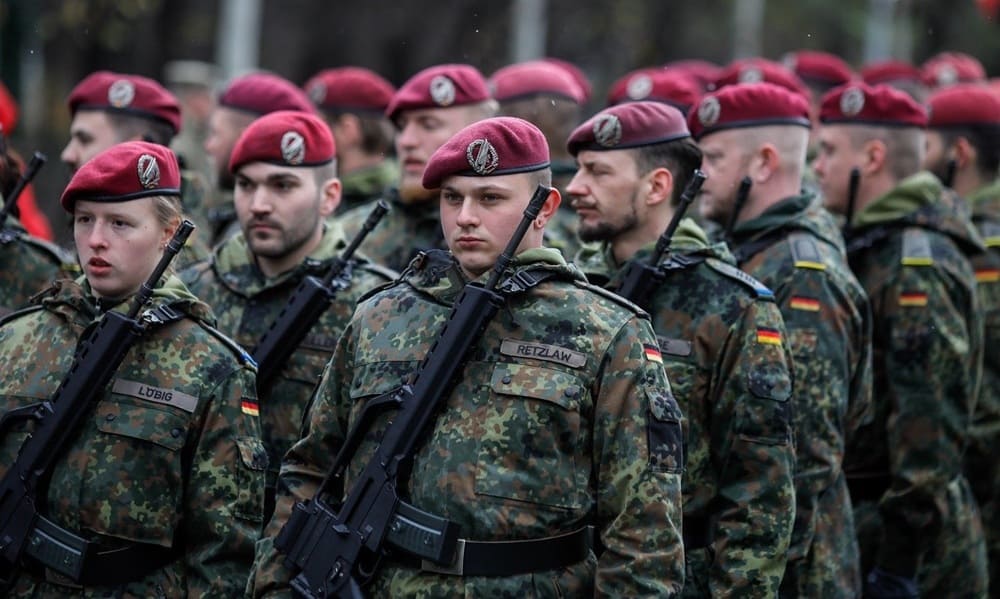
The 2039 German military strategy gives the reserve a bigger role in operations. Berlin has shifted its perception of reservists from being a group solely required in emergencies. Instead, the reserve will be just as strong as the active force, especially when it comes to defending the homeland, keeping infrastructure safe, and helping with mobilization. This change makes sense because Germany would be a key logistics hub for allied forces moving east in any NATO crisis.
Rail networks, ports, depots, cyber systems, and military police capacity would all be important. Therefore, reservists could protect the home base while active units move forward. Pistorius said that the reserve is like a hinge between the military and civilian society. This idea is useful for both politics and operations. For total defense, we need industry, local government, transportation, healthcare, communications, and public resilience.
EMA26 Cuts Readiness Red Tape
If the old ways of doing things stay the same, a bigger Bundeswehr will fail. So, the EMA26 agenda is almost as important as tanks, missiles, or soldiers. The program includes 153 steps and 580 actions aimed at reducing red tape, digitizing workflows, and utilizing AI for everyday tasks. One important change is that internal rules now have automatic expiration dates. This means that the system must explain why old rules remain in place rather than allowing them to stay simply because they are old.
If implemented seriously, EMA26 could expedite the work of commanders and procurement officials. But the reform has a problem that is all too common: strategy can change quickly on paper, but industries, training pipelines, and infrastructure often move slowly. Pistorius has said that the rising demand for air defense systems in the Middle East has made it harder for factories around the world to keep up.
What Defense Watchers Must Track
The military strategy of Germany in 2039 will have effects far beyond Berlin. If Germany builds the strongest conventional army in Europe, NATO will have to share its responsibilities in a different way. France will continue to be Europe’s most powerful nuclear power, and Poland will continue to be a military heavyweight on the front lines. But Germany could become the main organizer of conventional mass, logistics, and high-end enablers for the alliance.
Those who monitor defense should closely monitor recruitment, long-range strikes, air defense production, reserve mobilization, and procurement speed, as each of these areas will pose implementation challenges. The Bundeswehr’s goal for 2039 is ambitious, but not impossible. Germany needs ongoing political will, money, and pressure from businesses, but the real question is whether Berlin can turn that plan into trained troops, stocked depots, strong networks, and believable deterrence before the next European crisis hits.
References
- https://www.bmvg.de/de/presse/strategie-zur-landes-und-buendnisverteidigung-6093690
- https://www.bmvg.de/de/grundlagendokumente-strategische-ausrichtung/gesamtkonzeption-fuer-militaerische-verteidigung-aus-einem-guss-6092138
- https://www.reuters.com/business/aerospace-defense/germany-unveils-military-strategy-sticks-troop-target-2026-04-22/
- https://www.defensenews.com/global/europe/2026/04/22/germany-unveils-strategy-for-becoming-europes-strongest-military-by-2039/
About the Author