German Submarines to Attack Aerial Threats with Missiles
The defense industry in Germany is developing a new technology that could change how submarines fight. The Interactive Defense and Attack System for Submarines (IDAS) group is working together with Thyssenkrupp Marine Systems and Diehl Defense. They want to make missiles that can hit air threats from submarines that are hidden, which is a big change from how things used to be done.
Main Features of the Missile
Stealthy Launch
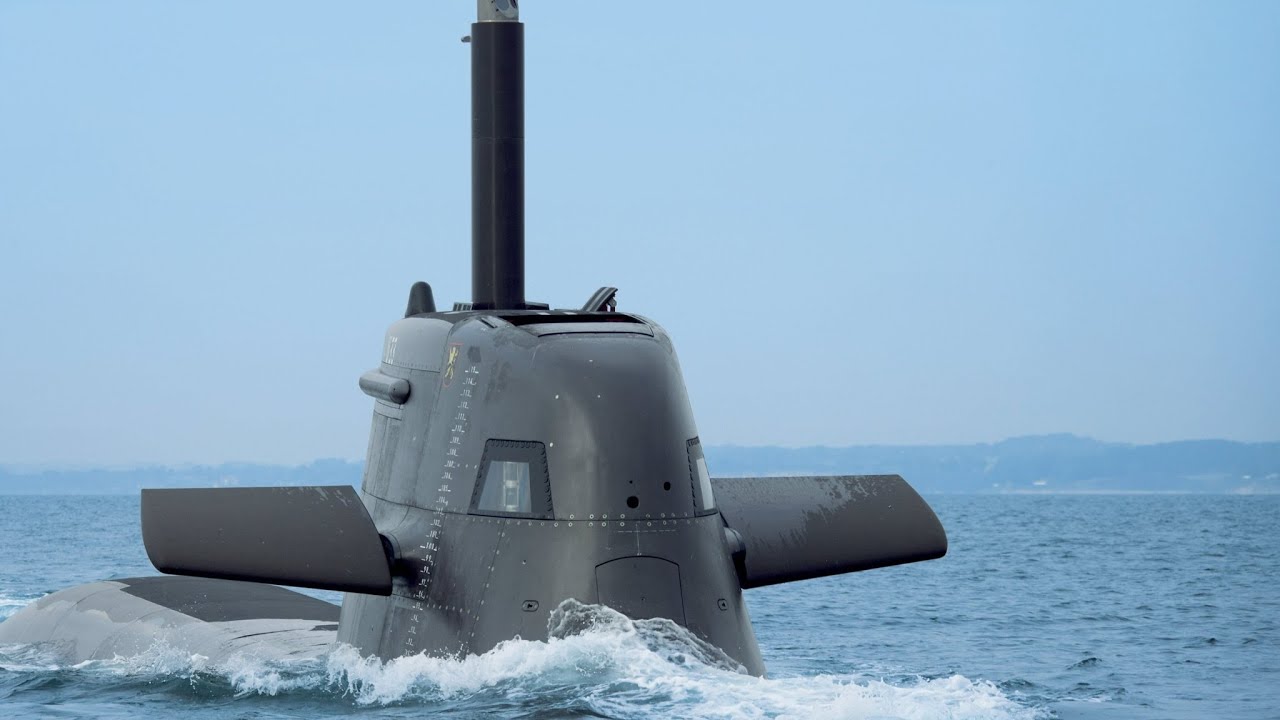
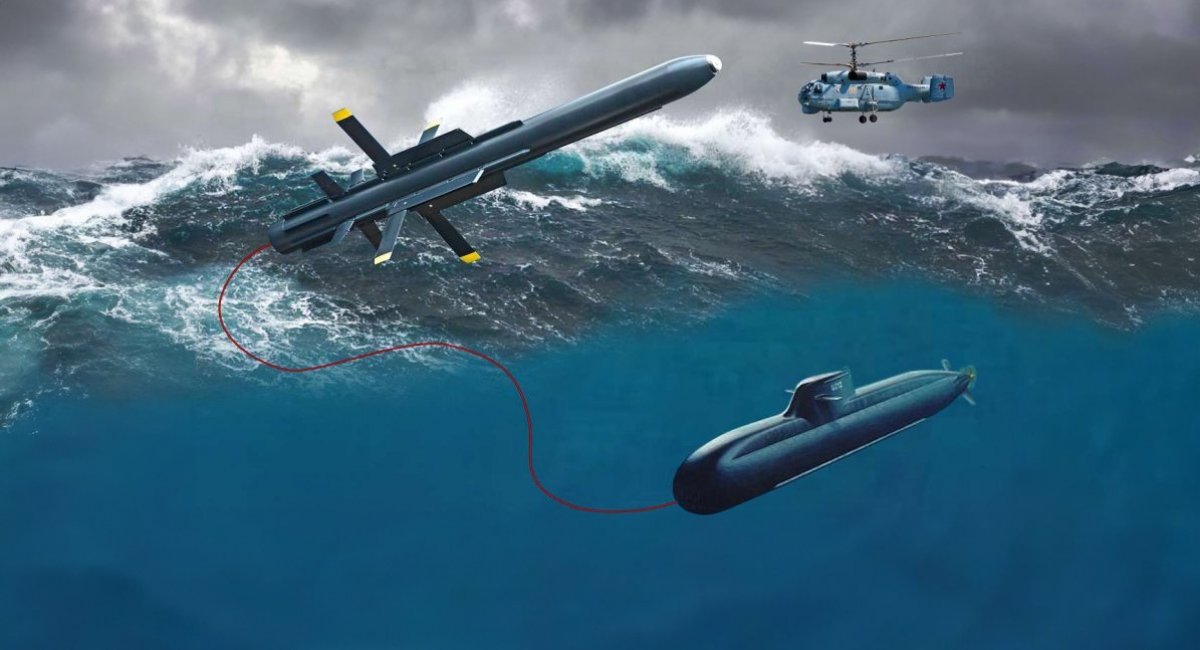
This new missile system will launch from regular torpedo tubes on submarines, which means they can stay underwater. This method makes it much less likely that submarines will be found, which keeps them safe from threats like anti-submarine warfare (ASW) helicopters and drones.
Smart Navigation and Targeting
The missile will use advanced infrared sensors to find and track targets in the air. These sensors can work even when conditions are hazardous, like when visibility is low or counteractions are happening. The missile’s navigation system also uses GPS to track it on the surface and inertial navigation to track it underwater, making sure it always hits its targets.
Small but Strong
Even though the missile is meant to fit in a torpedo tube, it is expected to have a big effect. Its small size doesn’t make it less powerful, which makes it an important tool for submarines.
Long Range and Fast Speed
We don’t have any more information, but we think the missile can hit targets from a long way away, which will keep the submarine safe from any threats. It can quickly hit air targets because of its speed, which increases the chances of a successful strike.
Strategic Importance
This technology is a big step forward for fighting underwater. Submarines with missiles that can hit air threats can effectively counter ASW tactics, forcing enemies to change their plans, especially where planes have usually been stronger. There is already a lot of interest in this technology around the world. Future partnerships and licensing could make defense stronger around the world.
Testing and Development Stages
The missile is currently in advanced testing to verify its reliability and effectiveness in different conditions. Key testing stages include:
1. Controlled Testing
The first tests are done in fake environments that look like different ocean conditions. They change things like the depth, salinity, and temperature of the water to test the missile’s stability, navigation, and ability to hit its target.
2. Real-World Trials
The missile will be tested in real sea conditions, with waves and weather it isn’t used to. These tests will assess its stability at launch, its performance in changing environments, and its overall functionality.
3. Live-Fire Tests
Live tests, which are necessary for development, will involve hitting real or fake aerial targets. These tests will show the missile’s power, guidance, and ability to hit moving targets. We conduct these tests in secure military zones to ensure accurate and safe data collection.

4. System Integration Testing
This step checks to see how well the missile works with the submarine’s systems. Communication between the missile’s guidance system and the submarine’s combat control center is one of the most important things. For the crew to be ready and trained, effective integration is crucial.
Addressing Implementation Challenges
Before the missile can be used, several challenges need to be overcome:
- System Integration: Modifying the missile for both current and new submarines of the future.
- Crew Training: Creating detailed training plans for crews on submarines.
- Strategic Deployment: This involves developing effective combat plans for real-world scenarios.
When this technology is in use, it should change submarine defense, creating new benchmarks and affecting military tactics around the world.
Wider Effects
Submarines can engage air threats without surfacing, altering the dynamics of underwater battles. Countries that are proficient at anti-submarine warfare (ASW) will have to deal with this new problem and may have to spend money on ways to stop it. Simultaneously, this advancement paves the way for further advancements in submarine technology, such as enhanced communication and increased automation.
References
- Diehl Defence. “Diehl Defence and thyssenkrupp Marine Systems develop unique defence system for submarines: IDAS.” Press release, 22 January 2025. This is the most direct official source on the current IDAS programme and confirms the consortium and the air-threat defence role.
- German Armed Forces (Bundeswehr). “Sea-to-Air Guided Missile System for U212A (IDAS).” This official programme page explains IDAS as a submarine self-defence system against airborne threats, especially ASW helicopters.
- Naval News. “TKMS to complete IDAS submarine-launched missile development.” 23 January 2025. This is useful for reporting on the recent development contract and qualification phase.
- Diehl Defence. Defence Brochure (PDF). This brochure describes IDAS as a submarine-launched guided missile system jointly developed by thyssenkrupp Marine Systems and Diehl.
About the Author