
KNDS, Rheinmetall, Thales Unite for Future Battle Tank
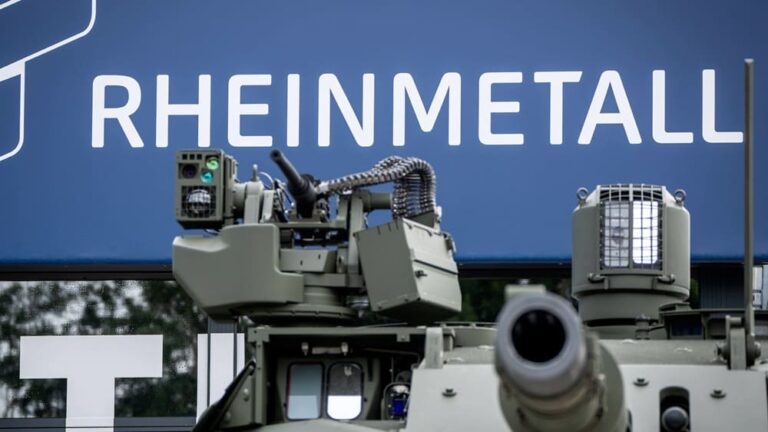
There have been big steps forward in the development of the next European battle tank. On January 23rd, KNDS, Rheinmetall, and Thales signed a deal with shareholders to work together on the Main Ground Combat System (MGCS). This joint project between France and Germany aims to replace the old Leopard 2 and Leclerc tanks while making Europe more self-sufficient in defense.
Venture for the Future
The new project company will be based in Cologne, Germany, and each of the four partners—KNDS Deutschland, KNDS France, Rheinmetall, and Thales—will own 25% of it. After months of talks, therefore, the agreement ensures that France and Germany contribute equally, while each country receives the same share of work. Nicolas Chamussy, the CEO of KNDS France, talked about how important MGCS is.
He said, “MGCS brings together France’s and Germany’s special skills in battle tanks, which protects Europe’s ability to make land combat systems.” “Stakeholders say that temporary upgrades will be needed right away, even though MGCS is supposed to replace France’s Leclerc by 2035 and Germany’s Leopard 2 by 2040.
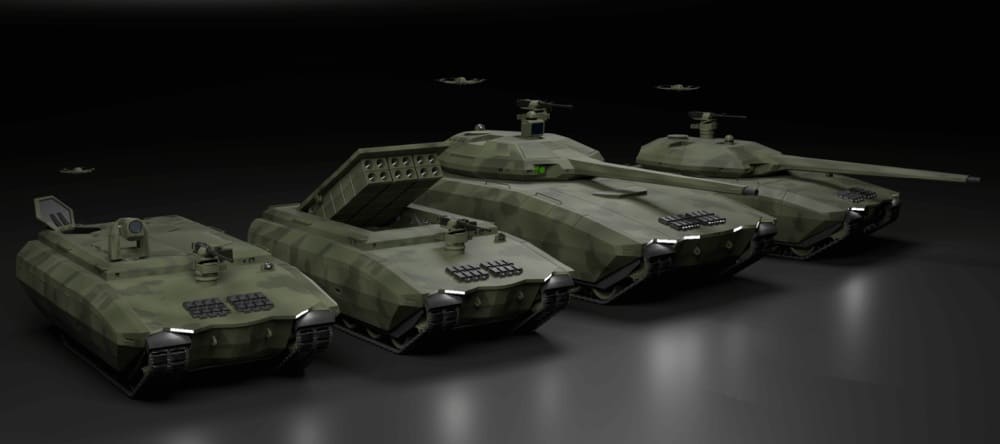
Main Ground Combat System (MGCS)
The MGCS initiative aims to establish a comprehensive land-combat system that includes more than just a new tank. The new company organizes the project around eight technological pillars and outsources specific tasks to other businesses. This teamwork guarantees a mix of skills, promoting innovation and growth.
- Heavy main battle tanks
- Unmanned armored vehicles
- New weapon systems
Addressing Evolving Threats
Modern battlefields require better survival for armored vehicles. Insights from the Ukraine situation show that drones are emerging as effective threats to tanks. In response, Rheinmetall and KNDS have presented advanced tank ideas:
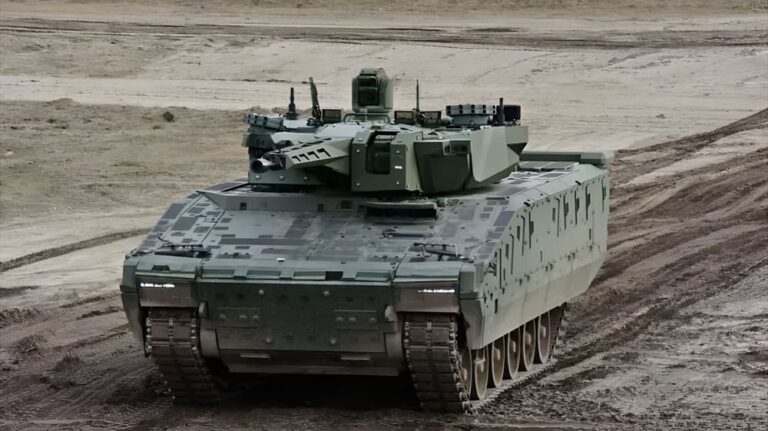
- The Rheinmetall KF51 boasts an unmanned turret.
- We design the Leclerc Evolution and updates to the Leopard 2 to enhance protection and firepower.
Interim Solutions
As MGCS moves forward, temporary fixes are filling in the gaps in its capabilities. KNDS keeps making Leopard 2 tanks and getting orders from Sweden, Lithuania, and the Netherlands. Rheinmetall, on the other hand, released an updated Challenger tank with better armor and a 120 mm smoothbore cannon, showing that it is serious about protection and power.
European Production Capacity
Rheinmetall has suggested building a factory in Ukraine that could make 400 KF51 tanks every year. These actions show that Rheinmetall is flexible and ready to help NATO and European allies. To meet growing demand, Rheinmetall is increasing its production capacity. Key actions include:
- Rheinmetall is establishing a new tank plant in Hungary.
- To produce tanks in Italy, Rheinmetall and Leonardo have partnered.
Interest in MGCS
While MGCS is a Franco-German project, countries like Italy and the Netherlands have shown interest in joining. We will consider adding new partners later as the project progresses.

Challenges and Opportunities
The MGCS program has a lot of potential, but it also has problems. Unfortunately, Rheinmetall’s and KNDS’s conflicting national goals and plans have slowed progress. Emmanuel Chiva, who runs the French armament agency DGA, said that it would be difficult to get everyone to agree on contributions; however, he stressed how important MGCS is for Europe’s ability to defend itself. KNDS says that there will be a demand for hundreds of new tanks in the next 15 years. This is a beneficial business opportunity for European defense companies.
Conclusion
The MGCS program is a big step toward making sure that Europe’s defense capabilities will be strong in the future. The partnership between KNDS, Rheinmetall, and Thales aims to create a next-generation battle tank that can adapt to the changing needs of modern warfare by combining French and German expertise. Moreover, despite challenges, the project’s teamwork and innovation make it important for European military strategy.
- KNDS Group, MGCS shareholder agreement, 24 January 2025.
About the Author