France’s DGA: Europe’s Only Fighter-Engine Sovereign
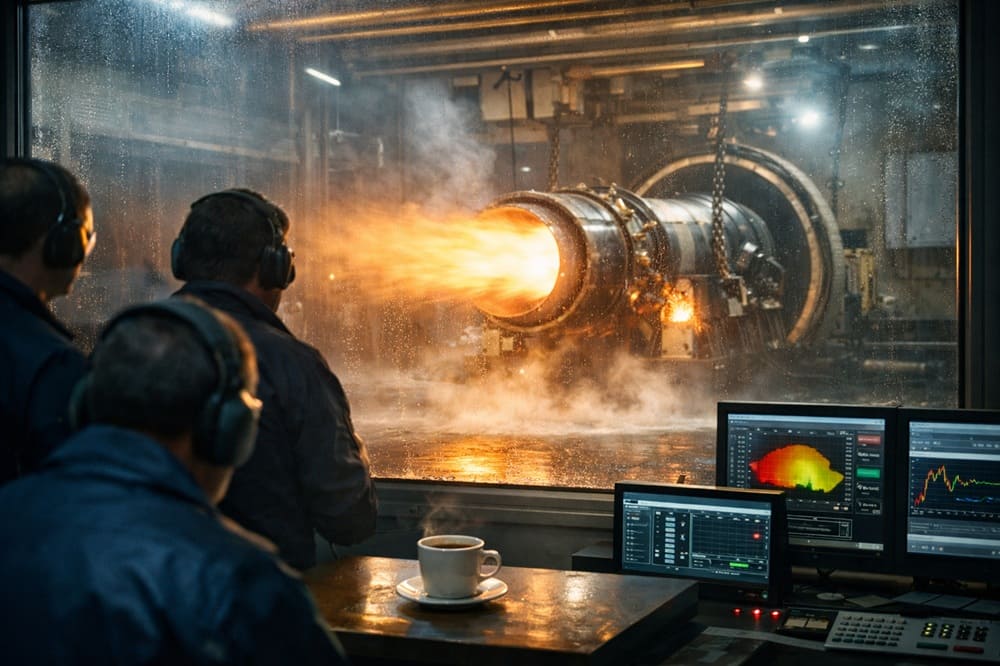
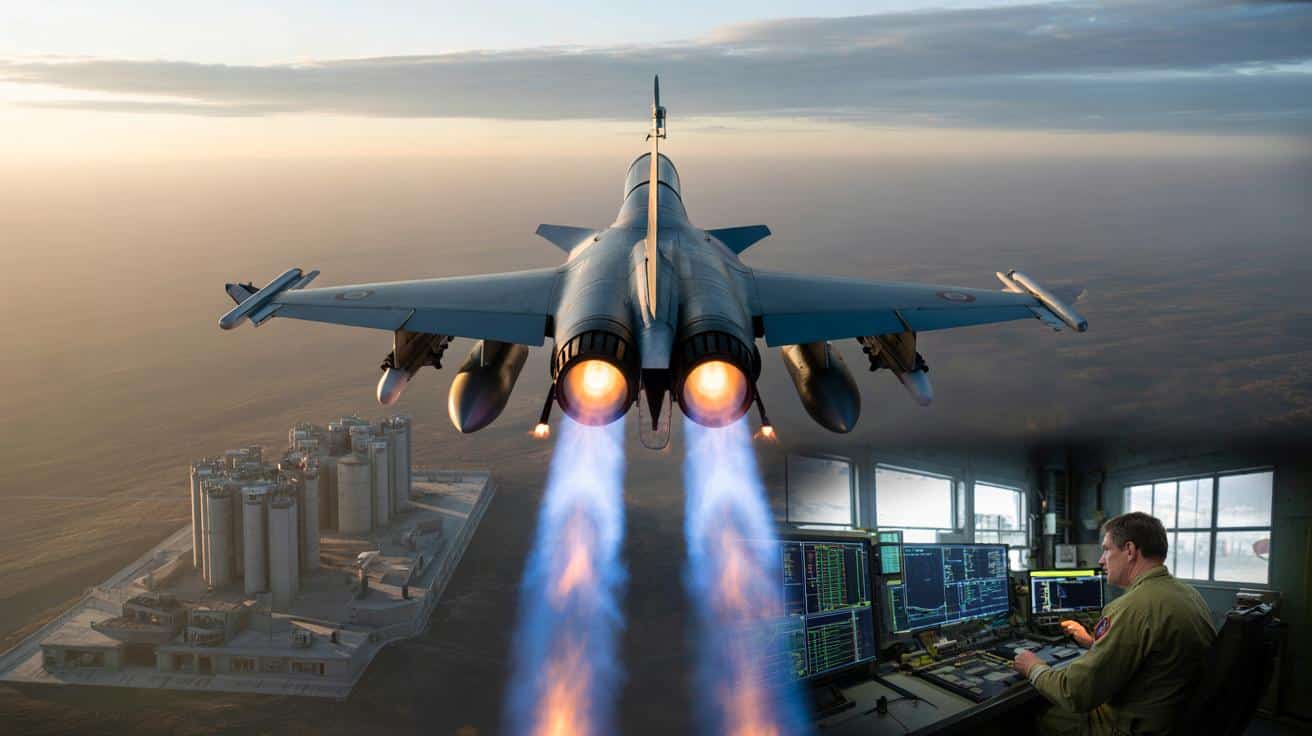
On a rainy morning at Istres, engineers stand behind thick glass and watch a Rafale engine scream on a test bench. Heat ripples at the nozzle, and the floor shudders under full throttle, while a coffee cup jitters across a table as sensors stream data in real time. Nobody laughs, because every vibration has a signature.
A technician mutters a simple truth: physics does not bargain. France built a state-run machine around that idea. The DGA (Direction générale de l’armement) acts as the Ministry of the Armed Forces’ technical authority and procurement agency, and it frames this work as strategic autonomy—keeping core combat capabilities under national control.
Engine Qualification = Sovereignty
In short, a fighter is a sensor-and-weapons network wrapped around thrust. If propulsion fails, the mission fails. Therefore, engine design, testing, and acceptance are not “nice to have”; they are the backbone of readiness. European industry is strong. However, the article argues that France is unusual because it can coordinate the whole chain—design choices, industrial production, ground qualification, flight test support, and acceptance—under one sovereign umbrella.
DGA Essais en vol describes its mission as expert flight testing and qualification work for aircraft, systems, weapons, and even propulsors, with a focus on quality and risk control. This is where DGA fighter jet engine precision turns into a hard metric: the state either signs or it refuses.
M88: The Export Engine Core
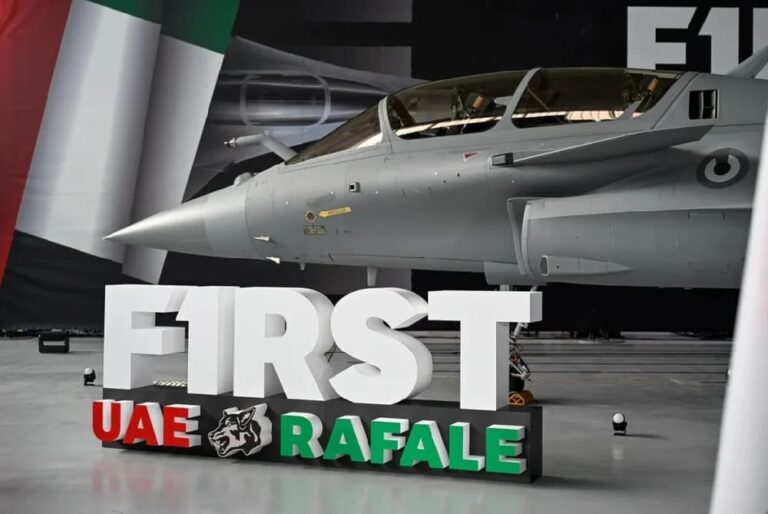
The Rafale’s engine is the Safran M88. On paper, the article describes it as a compact turbofan of about five tonnes of thrust, developed with industry and pushed through punishing qualification trials. Safran notes publicly that it wholly designs, develops, and produces the M88, and that it powers Rafale fleets in France and among export customers. Exports to partners may showcase the airframe, but propulsion confidence often closes the deal. Instead, buyers want predictable thrust, known life limits, and supportability—not heroic marketing. For readers who want a public baseline, Safran’s own summary of the M88 engine is a useful entry point.
How DGA Proves an Engine
Qualification starts before ignition, because teams model airflow and thermal loads and then compare predictions against instrumented data until the gap closes. Digital twins help narrow risk, but only real tests settle arguments. Then, the bench runs begin. Meanwhile, engineers instrument engines with dense sensor suites—temperature, pressure, vibration, and speed—so anomalies leave clear fingerprints.
They log every spike, debate the cause, and retest until the pattern makes sense. Moreover, the key figures show why the environment is unforgiving. Turbine stages spin at over 10,000 rpm. Temperatures push alloys and coatings toward their limits. Tolerances shrink to hair-fraction clearances. One micro-crack missed on a part can cost a pilot’s life.
Torture Tests That Reveal Flaws
However, most people envision a straightforward process with neat runs and an approval stamp. Instead, tests often “abuse” the engine to surface failure modes early. For instance, teams inject sand into intakes. They simulate bird strikes with surrogate projectiles. They trigger sudden power cuts mid-run to watch controls recover. Consequently, when something breaks, the cell turns damage into data, and the program loops back with fixes. Therefore, this is the practical meaning of DGA fighter jet engine precision: controlled failure on the ground to avoid uncontrolled failure at altitude.
DGA’s Power to Say No
Formally, the DGA’s mission includes managing armament programs and preparing future defense systems. Its real power, however, comes from veto authority backed by testing. Moreover, when suppliers propose a component change—a sensor, a fuel-control tweak, or a software update—DGA engineers demand evidence, repeatability, and additional trials when needed.
Consequently, the relationship can get tense, yet it stays collaborative because both sides fear the same outcome: a hidden flaw that appears only under high stress, perhaps at 10,000 meters. For context, the French Ministry of Armed Forces’ overview of DGA Essais en vol outlines its role in qualification and risk control.
Rafale Upgrades and FCAS Impact
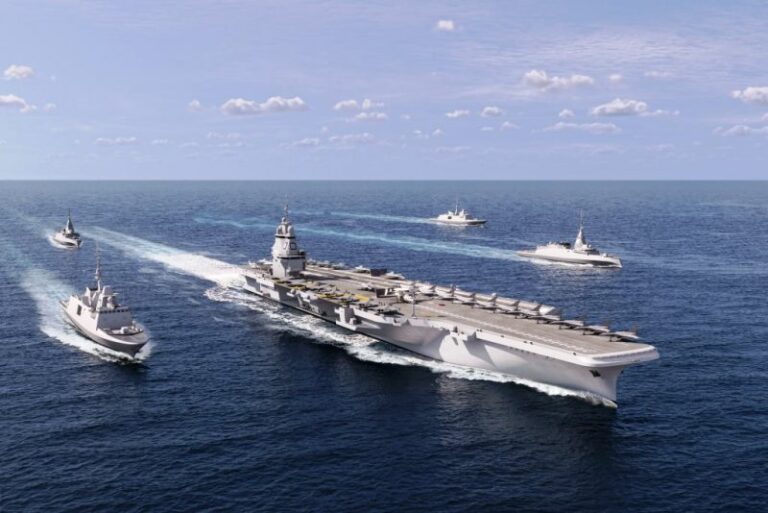
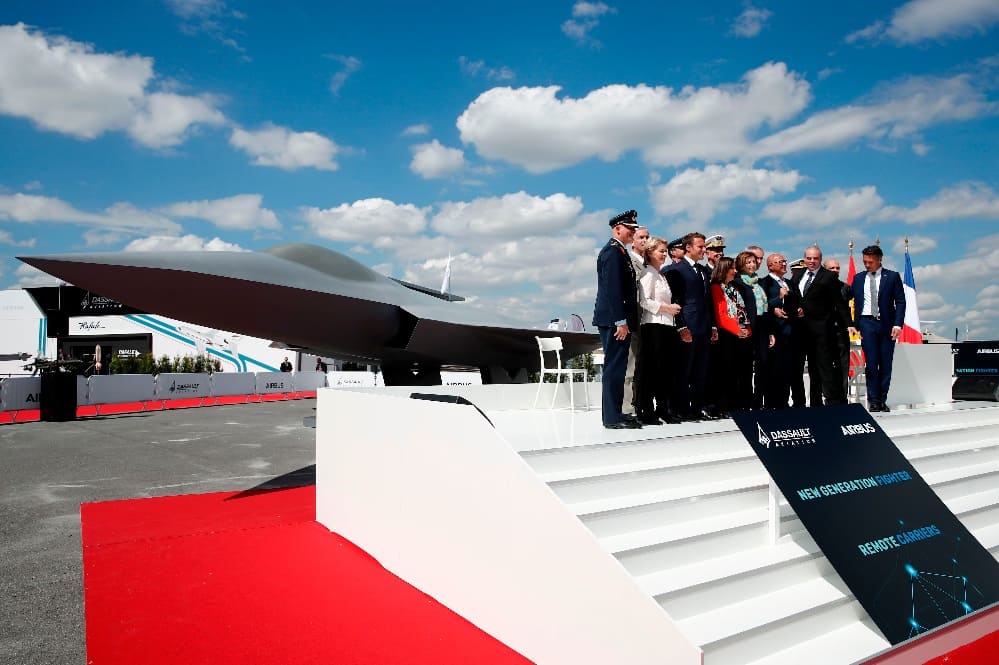
Dassault describes the Rafale as a twin-jet omnirole aircraft built for carrier and shore operations. Therefore, that flexibility depends on engines that behave predictably across harsh conditions, including salt, heat, and sustained high power. Looking ahead, FCAS aims for collaborative combat around 2040, integrating crewed and uncrewed assets in a networked “system of systems.”
So, the success of large programs will still rely on propulsion margins and how quickly they can be qualified, with established national testing systems giving them a strong advantage in discussions. For adjacent context on France’s future air-combat roadmap, see our internal coverage: Rafale F5 AI and autonomy.
Disciplined Doubt in Testing
Ultimately, engine precision is not only machining; it is psychology. In practice, engineers spend weeks chasing a small vibration peak or a temperature offset that appears only after repeated cycles. Therefore, the decisive skill is disciplined doubt: the willingness to delay approval until the data closes every gap, even when schedules and politics push for speed.
Bottom line
Ultimately, the Rafale’s roar is the visible layer. Instead, the real story sits behind glass, where the state forces hardware through controlled chaos until it earns trust. As a result, for France, this represents a measurable form of sovereignty. Moreover, for Europe, it is a reminder that rare skills survive only when governments fund them and defend the “no” culture that makes them safe.
References
- https://www.defense.gouv.fr/dga/dga-essais-vol
- https://www.dassault-aviation.com/en/defense/rafale/design-and-optimize/
- https://www.safran-group.com/products-services/m88-proven-performance-and-reliability
- https://www.airbus.com/en/products-services/defence/future-combat-air-system-fcas
About the Author