
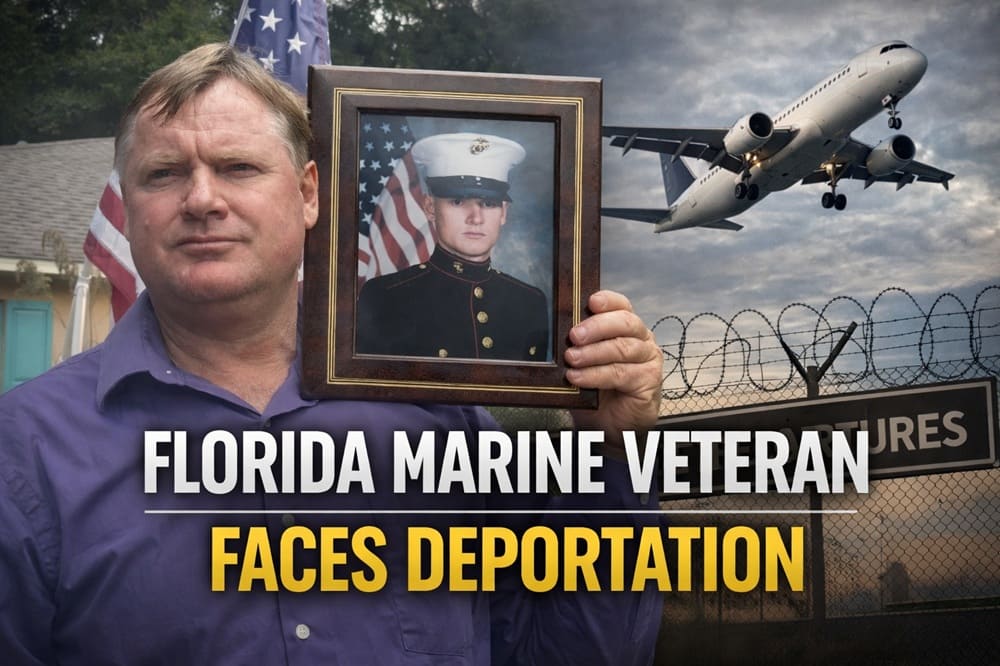
Florida Marine Veteran Faces Deportation
The fight for citizenship for Florida Marine veterans is no longer just a strange case in the government. It has become a harsh test of how the US treats veterans who served honorably but never got formal citizenship. Paul Canton, a former Marine from New Zealand, served for seven years, built a family life in Florida, and spent almost ten years trying to fix his status.
But a federal judge’s decision in February brought him closer to being removed. This story is important to defense readers because it shows that timing in the government can be more crucial than years of military service and personal sacrifice.
How It Began
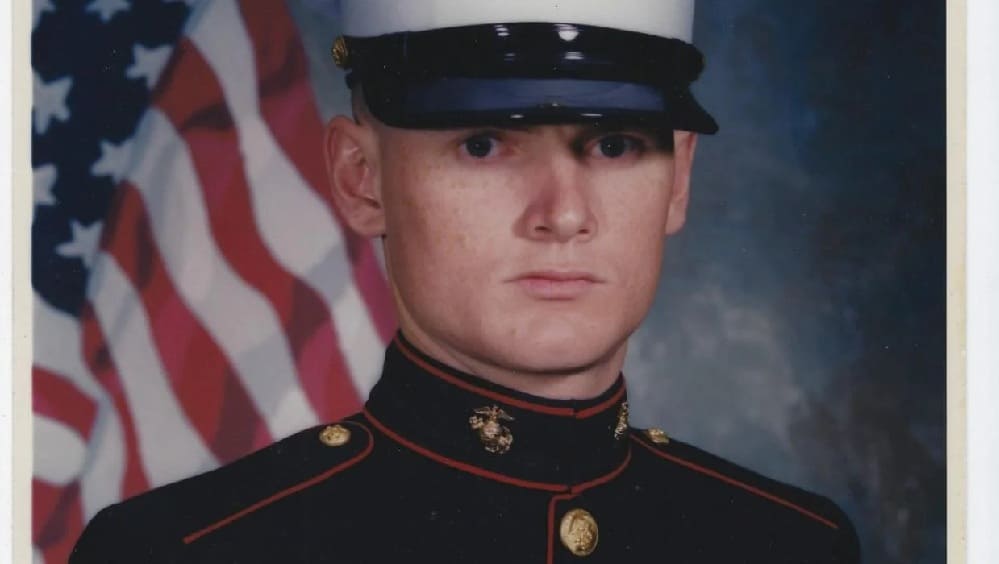
Paul Canton’s path to the US began long before the court case. He came to the US on a student visa for foreign exchange students, stayed longer than he was supposed to, and then joined the Marine Corps on March 29, 1991, during Desert Storm. Canton says a recruiter told him that serving honorably would make him a citizen.
He stayed in the Marine Corps until 1998, when he left with honors and a strong love for the country he had chosen to defend. He then moved to Florida, started a family, and thought he had fully joined the American system he had served. That history gives the fight for citizenship for Florida Marines a lot of emotional and political weight.
Starts Overnight?
The fight for Florida Marine veterans’ citizenship didn’t start overnight. Years later, Canton found out he wasn’t a U.S. citizen when he was getting his driver’s license. Even though he said he didn’t have a criminal record, his application for naturalization was turned down in 2020. Canton and his lawyer, Elizabeth Ricci, kept going through the courts and the news cycle.
Politicians from both parties, like Marco Rubio, Val Demings, and Daniel Webster, have spoken out about their worries over time. Even so, public sympathy didn’t change the legal outcome, and the courts continued to block paths that many veterans thought were open.
The main legal question is about U.S. military naturalization law. INA Section 329 says that some service members may become citizens through honorable service during certain times of war. USCIS rules stress that the path depends on qualifying service during those times, and the law itself links eligibility to active-duty service instead of a general promise that any military service will lead to citizenship.
In Canton v. United States, the court ruled that even though he signed up during the Desert Storm era, he didn’t start active duty until after that time had ended. So, the Florida Marine veteran’s fight for citizenship was all about timing, not about how well he served.
How Voting Hurt His Case
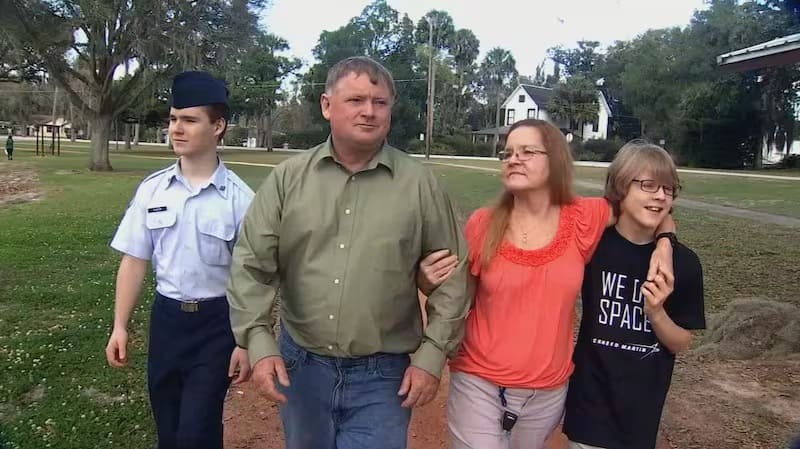
It was even harder to get away from the second problem. Canton cast a ballot in U.S. elections because he thought he was already a citizen. According to news reports and his lawyer’s explanation, that record later made it very hard for him to get help. He has strong family ties in the US, and all of his adult children are US citizens.
Under normal circumstances, those links might have provided a backup route. But here, the previous voting history seems to have stopped that from happening. In real life, the fight for Florida Marine veteran citizenship turned into a trap: the legal problem that is now stopping it was caused by a wrong belief in citizenship.
Why This Case Matters
This issue is more than just one immigration case for people in the military and defense. Trust, clear paperwork, and reliable advice from recruiters, commands, and federal agencies are all important for the armed forces. When those systems break down, the damage extends beyond a single file or veteran. It hurts morale, faith in the hiring process, and the idea that service is a way to fit in.
The U.S. has depended on non-citizens in the military for a long time, so the fight for citizenship for the Florida Marine veteran is especially sensitive. Thus, the case shows a basic truth about institutions: service can mean a lot in terms of symbolism, but legal status still depends on following the law exactly. That gap can change your life.
What Options Remain
The other paths now seem more political than procedural. Ricci has said that the only real way for Canton to stay in the country may be through a special naturalization bill from Congress or direct action from the president. The office of Rep. Randy Fine has also said that it is working with partners in the administration to figure out what options are still available after the recent court decisions.
Canton’s family is already getting ready to leave, though. He has talked about selling the house and moving back to New Zealand, where he would arrive as a man who had left behind the life he had built in America. These developments have transformed the Florida Marine veteran’s citizenship battle from a case under review to a countdown.
Key Takeaway
There is one part of the story that is not up for debate in court. Canton was in the Marine Corps from 1991 to 1998, and that time still defines him. His own bottom line is clear: the government can deny citizenship, but it can’t take away the title of United States Marine.
The most important thing to remember from the Florida Marine veteran citizenship fight is the outcome. It tells the story of one veteran, but it also shows a gap in the law between honorable military service and immigration law. That gap could soon take a former Marine out of the country he swore to protect, unless Congress or the White House steps in.
References
- https://www.military.com/daily-news/investigations-and-features/2026/03/12/florida-marine-veteran-leave-us-after-long-citizenship-battle.html
- https://www.uscis.gov/policy-manual/volume-12-part-i-chapter-3
- https://uscode.house.gov/view.xhtml?edition=prelim&num=0&req=granuleid%3AUSC-prelim-title8-section1440
- https://www.1news.co.nz/2026/03/18/i-wouldnt-know-where-to-go-ex-us-marine-faces-deportation-to-nz/
About the Author