Finland Medical Exports to Russia Face Curbs
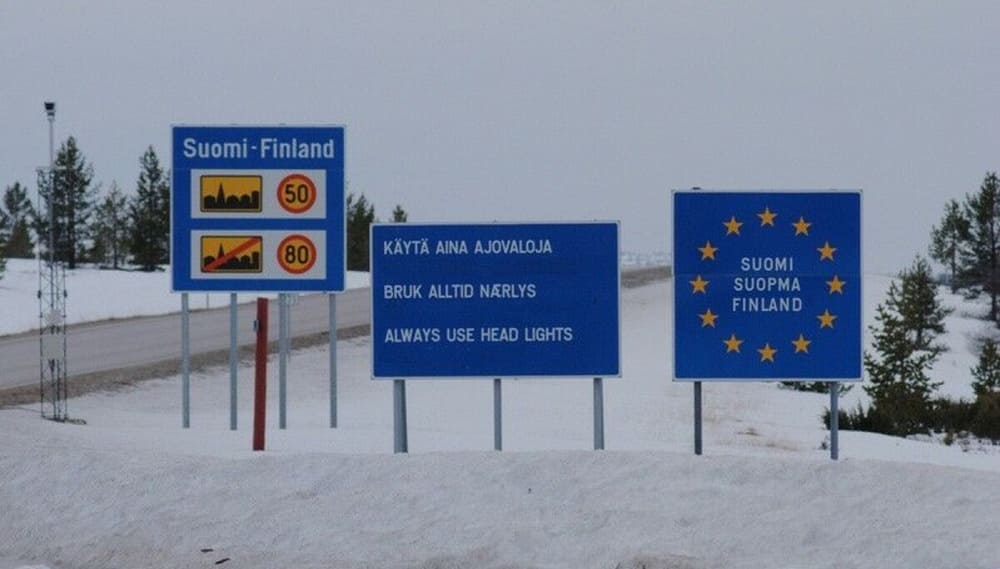
Finland will strengthen controls on medical exports to Russia from July after Helsinki determined that some medical and pharmaceutical goods could be diverted for military use. The rule applies to items already subject to EU sanctions but shipped using case-by-case exemption licenses. The Finnish Foreign Ministry is working on a regulation to prevent new exemptions for these categories. So the measure is not a medical blanket embargo.
Instead, it closes off a waiver path that officials now view as a potential sanctions risk. Elina Rimppi, who heads the sanctions unit of the ministry, told Yle that such products can end up supporting Russian military activity. But she did not disclose the intelligence that informed the decision. The ministry said it periodically reviews enforcement where civilian trade can intersect with wartime logistics.
Medical Goods as Dual-Use Risks
The dual-use problem is straightforward. Medical systems can support civilian hospitals but also military recovery, force regeneration, and battlefield medical chains. The grey zone accounts for the harder Finnish line. Dental equipment, diagnostic tools, pharmaceuticals, and screening products may seem humanitarian. However, sanctions officers still must ask who’s getting them, where they’re going, and whether the Russian state can divert them.
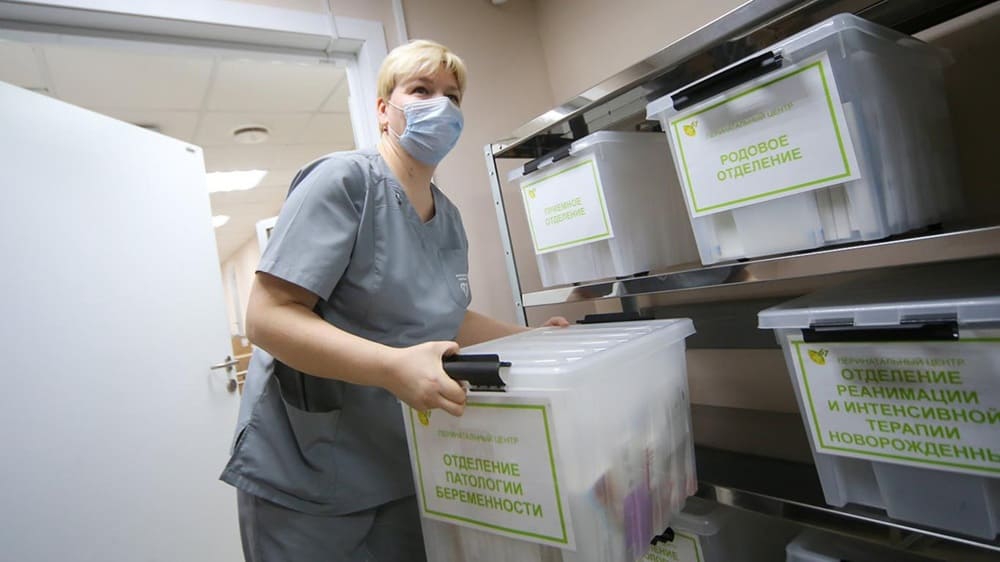
In 2025, three Finnish companies filed for exemption permits. PaloDEx Group, part of the US-based Envista chain, was approved for dental equipment. All four applications of Cytomed were rejected before the company went bankrupt. Pribori Holding has received three permits for the products for the screening of fetuses and newborns.
What Finland Still Permits
The proposed regulation will not apply to hospital beds, operating tables, or examination tables. These products are not covered by the EU sanctions, and Finnish companies are still able to export them. That’s a distinction that matters. Lojer-Merivaara, the largest Nordic manufacturer of hospital and care furniture, located in Sastamala, has continued the import of such equipment to Russia.
Deliveries were identified to civilian hospitals in Murmansk, Sakhalin, Chuvashia, Rostov, and Karelia, as well as to a Russian Health Ministry trauma and orthopedic center in St. Petersburg, Yle reported. But the company says it cannot know who is using its equipment because of patient privacy. It also said that withholding medical supplies because of war would violate humanitarian principles. On average, Finnish authorities say that the ministry receives only five to ten applications for exemptions each year.
EU Targets Sanctions Evasion
Finland’s move is part of a wider EU effort to prevent sanctions leakage. Brussels is now looking beyond Russian end-users and is increasingly focusing on intermediate routes, third-country traders, and dual-use supply chains. Kyrgyzstan is a relevant example. Kyrgyzstan’s imports of high-priority goods from the bloc have surged nearly 800% since 2022, according to EU trade data cited by the Financial Times. Meanwhile, Kyrgyz exports to Russia rose 1,200%. As a result, Brussels feared a risk of sanctioned goods transiting through Kyrgyz territory.
Since then, the EU has taken anti-circumvention measures for a number of dual-use goods such as electronics, machine tools, CNC machinery, and radio equipment. These categories can support drones, missiles, communications networks, and defense industrial repair lines. For further context, read the article in Defense News Today on the Poland EU defense loan and its study on fibre-optic drones. Together, they demonstrate the impact of European security policy and small dual-use technologies on the battlefield today.
What Defense Watchers Should Track
Three indicators analysts will be watching are The first thing to look for is whether Finland goes beyond the suspension of the waiver in July. Second, identify those companies that are losing access to the Russian market. Third, watch what happens if other EU states follow Helsinki’s lead. The main issue is enforcement credibility. “If sanctions include narrow waivers without rigorous end-use checks, Russia can look for loopholes.”
Meanwhile, if governments shut down too many humanitarian avenues, they risk pushback and legal challenges. Finland’s move, then, highlights a difficult wartime balancing act. States must protect legitimate civilian care but also ensure that sanctioned goods do not strengthen Russia’s military system. In that sense, Finland’s medical exports to Russia have become a test case for smarter, narrower, and more intelligence-led export control.
References
- https://www.ft.com/content/2969ac12-fbaf-444b-a083-3b071d8df613?syn-25a6b1a6=1
- https://pmc.ncbi.nlm.nih.gov/articles/PMC12958980/
- https://united24media.com/latest-news/finland-to-restrict-medical-exports-to-russia-over-possible-military-use-18764
- https://www.consilium.europa.eu/en/press/press-releases/2026/04/23/russia-s-war-of-aggression-against-ukraine-20th-round-of-stern-eu-sanctions-hits-energy-military-industrial-complex-trade-and-financial-services-including-crypto/
About the Author