

F-35s for Saudi Arabia — Pentagon Green Light
Why this happens now
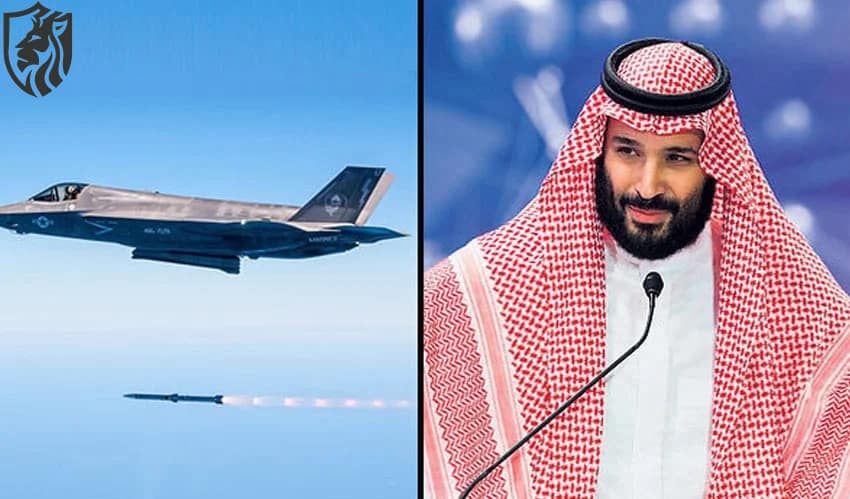
F-35s for Saudi Arabia moved a step closer after the Pentagon approved a sale of up to 48 F-35A fighters. The decision now sits with the White House, cabinet principals, and Congress for final clearance. If it proceeds, the Royal Saudi Air Force (RSAF) gains a fifth-generation backbone, and U.S. export policy crosses a notable threshold.
What the Pentagon approved
F-35s for Saudi Arabia would arrive as Block 4-ready F-35A variants, aligning with U.S. Air Force baseline standards. The package still requires a presidential sign-off and congressional notification before contracting. However, the internal review—after months of inter-agency debate—signals a policy willingness to expand access beyond NATO and a few partner economies.
Saudi Arabia wants to replace?
The F-35s that Saudi Arabia wants to acquire would primarily replace its ageing Tornado IDS/GR.1 fleets and, over time, some parts of the small Eurofighter Typhoon force. The RSAF currently operates advanced F-15SA strike fighters, demonstrating a longstanding history of U.S. supply at the forefront. The F-35A adds low-observable strike, fused sensing, and deep integration with U.S. command-and-control networks.
Why has the export policy shifted?
The acquisition of F-35s by Saudi Arabia would represent a significant shift in Washington’s approach to stealth exports. Until recently, the jet was offered mainly to NATO allies and select non-NATO partners. Riyadh’s approval could create opportunities for other potential suitors that Washington has previously avoided, thereby reshaping the competitive landscape for fifth-generation exports.

Who lines up next if Riyadh clears
F-35s for Saudi Arabia could set precedents. Unconfirmed reporting has tied U.S. deliberations to potential pathways for Morocco and the United Arab Emirates, while future reviews could weigh Indonesia and Thailand. Each case would still face bespoke technology, basing, and end-use questions. However, the Saudi file indicates a shift in the policy’s focal point.
Industrial and strategic drivers
F-35s for Saudi Arabia also intersect with economics. A larger international order book can stabilise costs and support a wider U.S. industrial base, particularly during domestic budget pressures. Strategically, Washington wants to limit openings for Chinese or Russian platforms—such as the J-35 or Su-57—in Gulf markets. Offering the F-35A helps keep partners inside the U.S. ecosystem for training, sustainment, and upgrades.
The 6th-generation horizon
Saudi Arabia’s F-35s arrive when sixth-generation programs mature. By the mid-2030s, the U.S. expects next-gen capabilities to field in meaningful numbers. As these new systems improve, the basic F-35 models become less advanced, making it easier to sell them while still providing partners with better protection, data sharing, and accurate attacks.
KSA’s KAAN Interest After an F-35 Green Light
If Riyadh secures the F-35, KAAN won’t vanish; it will shift roles. The F-35 becomes the stealth spearhead, while KAAN stays attractive for co-production, technology access, and industrial sovereignty. Saudi planners value options: a U.S. fifth-gen fleet for immediate deterrence and a Turkish partnership to hedge politics, shape requirements, and grow local talent.
Budgets and timelines matter, though. If sustainment costs bite or approvals stall, KAAN’s appeal rises. If the F-35 deliveries proceed smoothly, it is likely that KAAN will transform into a complementary, longer-term project, serving as a trainer, a loyal ally, or a niche strike, thereby maintaining leverage and learning without replicating the primary role.
Saudi Arabia’s Three-Tier Fighter Blueprint
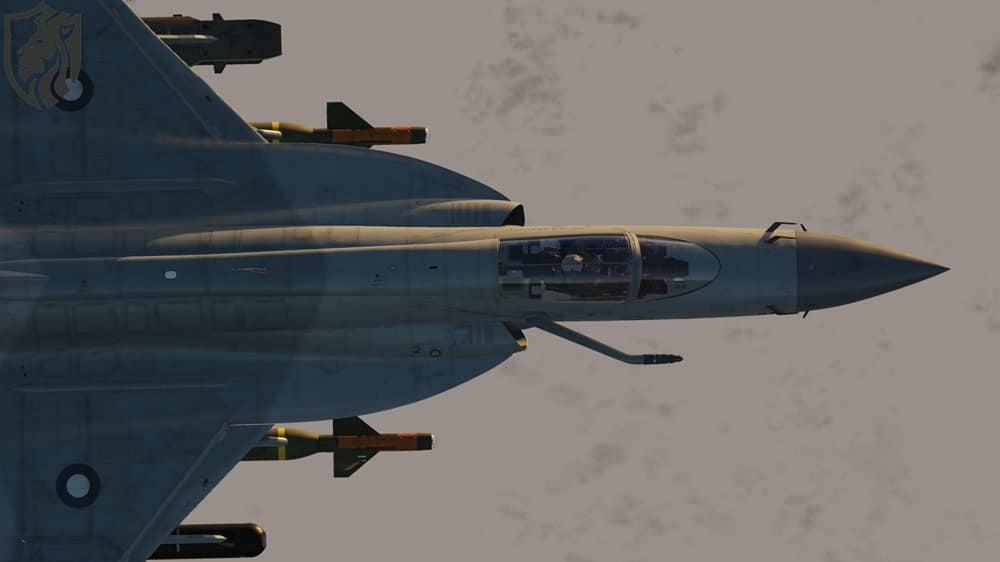
Riyadh could field a pragmatic mix: the F-35 as the high-end stealth spearhead, the KAAN as a versatile middle tier, and a lower-tier stealth JF-17 PFX co-developed with Pakistan once funding is secured. The blend spreads risk, diversifies suppliers, and matches missions to cost.
F-35 tackles deep, high-threat strikes; KAAN covers swing-role tasks with growth headroom; PFX provides affordable mass, pilot seasoning, and loyal-wingman potential. Industry gains too—local assembly, MRO hubs, and avionics work deepen sovereign capacity. Politically, the tiered roadmap preserves leverage with Washington and Ankara while strengthening defensive ties with Islamabad. Smart, scalable, and budget-aware.
Capability fit for the RSAF
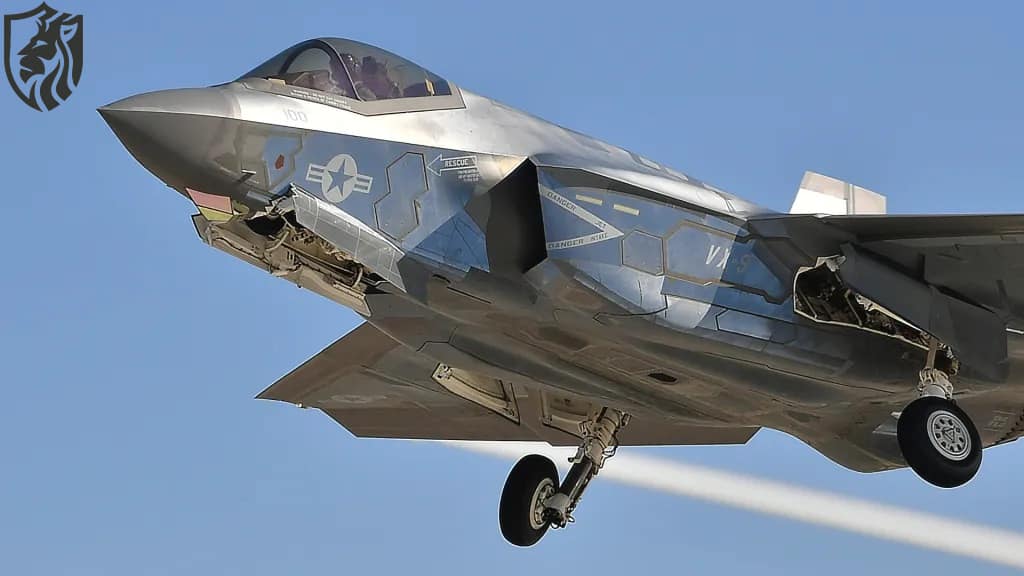
F-35s for Saudi Arabia would deliver persistent ISR-strike in contested airspace. The jet’s AN/APG-81 class AESA radar, EOTS, and Distributed Aperture System combine into a fused picture for the pilot and the network. Low-observable design improves survivability against modern IADS. Moreover, a common fleet with regional F-35 operators enhances interoperability in exercises and contingency operations.
Competitive effects on European fighters
F-35s for Saudi Arabia could weigh on European fighter sales. Prospects for Typhoon, Rafale, and future FCAS/GCAP frequently hinge on markets where the F-35 has faced political constraints. Should that constraint lessen, European airframers will encounter a more challenging pipeline. Boeing’s push for additional F-15 variants in Saudi service could also face headwinds if Riyadh prioritises stealth and sensor fusion.
Regional context
F-35s for Saudi Arabia would reinforce U.S.–Gulf defence ties amid renewed great-power competition. Washington sees value in anchoring Gulf airpower to U.S. platforms, training syllabi, and data architectures. For its part, Riyadh gains deterrence, interoperability, and lifetime access to the world’s most prolific fifth-generation program—provided the final political hurdles are clear.
Final Verdict
F-35s for Saudi Arabia would modernise the RSAF, strengthen U.S.–Gulf ties, and reshape the export map for stealth aircraft. The approval process is not over, yet the Pentagon’s green light signals a policy pivot with far-reaching industrial and strategic consequences.
References
- https://defensenewstoday.info/category/air-power/
- https://defensenewstoday.info/category/industry-procurement/
- https://www.lockheedmartin.com/en-us/products/f-35.html
- https://www.dsca.mil/major-arms-sales
About the Author