

Russias RS 24 Yars Thermonuclear Missile
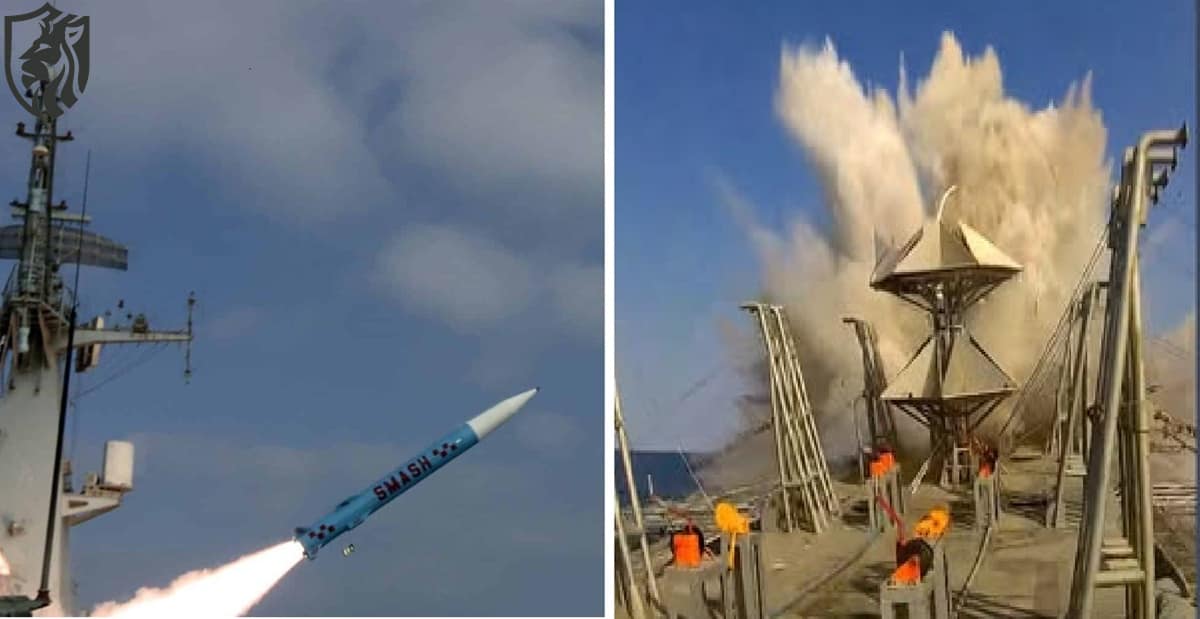
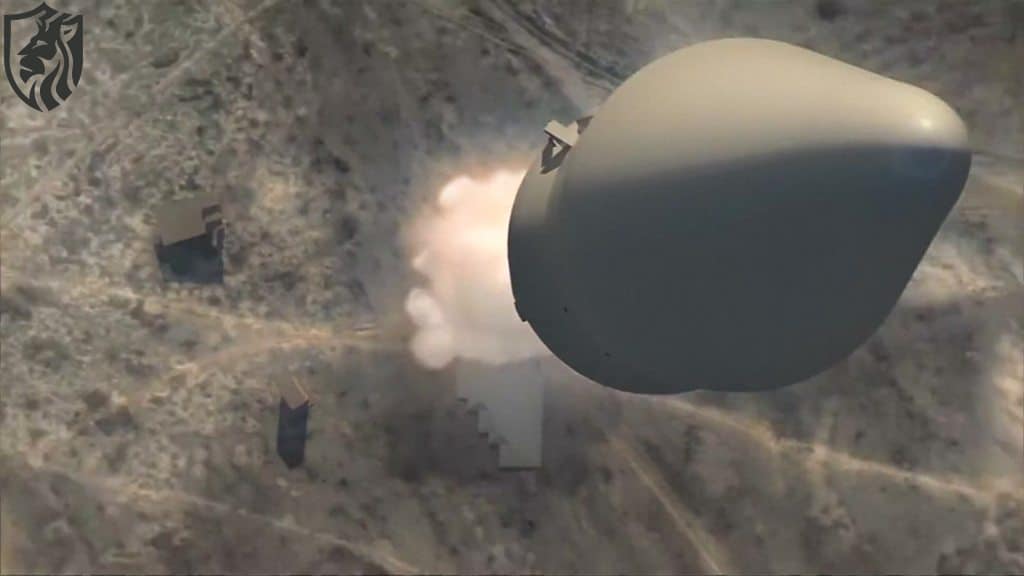
Russia’s accelerated missile production exceeds NATO’s interceptor capabilities, ominously underfunding Europe’s missile defense. Statistics from Fabian Hoffmann, a University of Oslo researcher, and Ukraine’s defense intelligence (HUR) illustrate a threatening strategic weakness. Russia’s production of 840-1,020 ballistic missiles per year, including advanced models like the 9M723 Iskander-M and the hypersonic Kinzhal Kh-47M2, tests Europe’s preparedness.
Russia’s Expanded Missile Manufacturing
The most recent evaluation indicates Russia increasing its missile production exponentially. Hoffmann’s rationale and HUR’s insights identify yearly missile production at almost 1,000 units. This surge in production—over 600–700 missiles in late 2024—is credited to plant expansions, specifically at the Votkinsk plant, which has hired an extra 2,500 employees since 2022.
Missiles like the Iskander-M and Kinzhal have been extensively employed in the Ukraine conflict, testing Europe’s preparedness. The Iskander-M has a 310-mile reach and can deliver precision strikes on strategic infrastructure. The Kinzhal, on the other hand, is launched from the air at speeds of up to Mach 10, delivering lethal blows, as witnessed in attacks on Kyiv and other fortified targets.

Europe’s Main Missile Interceptors
Europe’s missile defence is largely based on three interceptor systems, namely PAC-3 MSE, PAC-2 GEM-T, and Aster 30B1/B1NT. These systems provide a layered defense; however, they currently lack sufficient numbers to counter the increasing Russian missile threat.
The Lockheed Martin-produced PAC-3 MSE intercepts threats at ranges of 60 miles at Mach 5+ speeds. With production at around 580 units expected to be ready by 2025, the PAC-3 MSE is Europe’s first line of defence against ballistic threats.
The PAC-2 GEM-T, an older version of the Patriot missile system, has shorter ranges, approximately 40 miles, but can be effective against slower missiles. Estimates of production indicate Europe will have around 270-300 units a year in 2025. The Franco-Italian MBDA Aster 30B1/B1NT interceptor, on the other hand, has ranges up to 75 miles, with 220-250 units estimated in 2025.
NATO Gaps in Coverage and Strategic Vulnerabilities
The deployment trends observed in Europe reveal significant imbalances. Germany, France, Poland, and Romania benefit from strong missile defence systems, but the Baltic states and southern European states continue to face precarious exposure. These imbalances point to the uneven geographical spread of NATO’s missile defence capabilities.
To counter this imbalance, Germany launched the European Sky Shield Initiative in 2022, with the aim of facilitating the acquisition of defence systems such as IRIS-T, SLM, and Patriot. The pace has, however, been sluggish, hampered by financial constraints and conflicting national priorities among NATO member states.
Satellite-based Early Warning Systems
Early detection of missile threats is of the greatest importance, and Europe is highly dependent on the U.S.-operated Space-Based Infrared System (SBIRS). This satellite constellation effectively monitors global missile launches, offering critical data to NATO allies.
However, relying solely on American resources presents strategic risks. Efforts to develop autonomous European satellite capability by 2030 are underway with the objective of enhancing independence and response times against rapidly emerging threats like the Kinzhal.
Real-World Combat Effectiveness
European interceptor capability is a critical concern area. The “2-on-1” tactic, launching two interceptors per missile threat, strains interceptor inventories under mass missile attack. Live combat experience, like Ukraine’s patchy record of effective Kinzhal interceptions by Patriots, exposes weaknesses. In addition, saturation attacks and radar spoofs can severely compromise missile defense capabilities, further reinforcing Europe’s security dilemma.

Technological and Production Issues
In spite of scheduled upgrades and developments, European production of missile interceptors lags far behind Russia’s rise in missile manufacturing. Lockheed Martin’s decision to include laser-based interception by 2028 and MBDA’s radar upgrade are encouraging for the future, but the existing gaps are gigantic. Artificial intelligence, increasingly integrated into NATO command structures, can accelerate interception decisions but needs solid deployment plans to address real-time requirements.
NATO’s Challenge to Command and Control
A smooth reaction to missile attacks demands smooth command coordination. NATO’s Air Command and Control System (ACCS), based at Ramstein, Germany, in principle offers streamlined operation. In reality, however, national command centres wield final authority, which enables delays during crises. Political differences also hinder rapid decision-making, weakening the efficiency of NATO’s defensive mechanisms during crises.
Strategic Considerations and Immediate Actions
The extended missile defense deficit, highlighted by Russia’s growing missile inventory, poses a significant strategic challenge for Europe. To counteract this deficit, we need to implement ongoing efforts such as speeding up interceptor production rates, advancing technology, and improving command systems.
The changing threat environment requires immediate and concerted action from NATO. R Russia’s growing missile capabilities will continue to pose a serious threat to Europe’s security if we do not address these vulnerabilities promptly.
References
- Fabian Hoffmann’s “Missile Matters” Analysis
- Ukraine Defence Intelligence Report
- Lockheed Martin PAC-3 MSE Specifications
- European Sky Shield Initiative—NATO Statement
- U.S. Space-Based Infrared System (SBIRS)
- Institute for the Study of War—Russia’s Missile Production
About the Author