
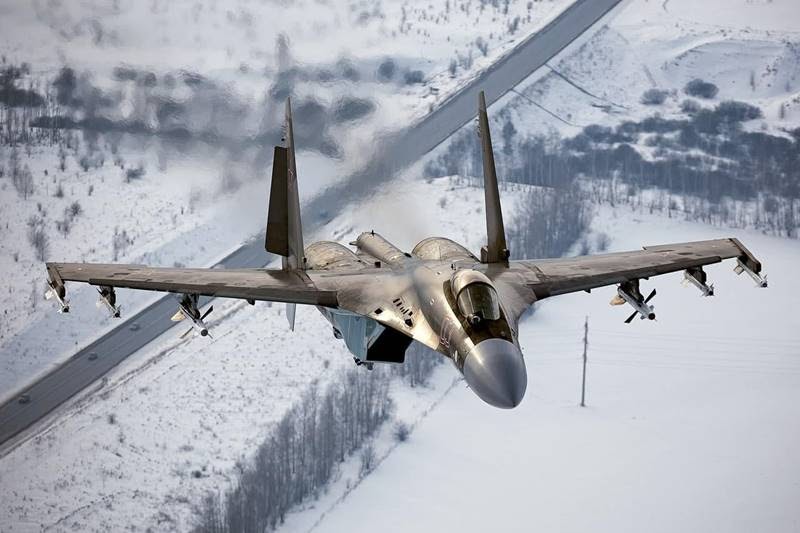
Sukhoi Su35
Egypt has formally called off its arrangement with Russia for Su-35 fighter jets. This is a big change in how the Egyptian government buys defense equipment and what it values most. A high-ranking Egyptian military officer said that technical problems, not only American pressure, compelled Cairo to say no to the Russian-built fighter plane.
Egypt’s needs for air combat were changing, and the Su-35’s old radar, high fuel consumption, and limited electronic warfare capabilities didn’t match them. In 2018, Cairo and Moscow strengthened their defense ties with a $2 billion deal for 24 planes. In 2020, Egypt quietly put the transaction on hold; however, in July 2025, officials publicly disclosed the complete technical reasons for the cancellation.

Egypt Turned Down the Su- 35: Technical Reasons
Irbis-E: Radar Shortfalls
The Irbis-E radar system, which is a passive electronically scanned array (PESA), raised significant concerns. The Irbis-E radar system can follow objects up to 400 kilometers away, although it uses outdated gallium arsenide parts. In contrast, gallium nitride-based AESA radars equip modern Western fighters, making them more difficult to jam and providing more accurate tracking.
Egyptian engineers concluded that the Irbis-E was inadequate for managing the electronic threats currently prevalent in the Middle East. Egypt believes that situational awareness is non-negotiable, and the radar’s susceptibility to jamming reduced its ability to be aware of its surroundings.
Engine Reliability Issues
The Su-35 uses two potent AL-41F1S engines, but they run hot and loud. That heat and noise increase its signature and make detection easier. This disadvantage is a clear drawback against stealthy opponents. Examples include Israel’s F-35I Adir and Turkish Bayraktar drones.
The engines also burn plenty of fuel. As a result, ranges can shrink, and payload flexibility can suffer. Egypt’s F-16s, in contrast, are powered by General Electric F110 engines. In this context, the Su-35’s propulsion looks less efficient. It may also appear less resilient under tough, sustained use.
EW: Not Combat-Ready
The electronic warfare suite presented additional challenges. In practical situations, the Su-35’s onboard defenses struggled to counter modern jamming techniques. Egypt’s air force needs jets that can operate independently without regular AWACS supervision or assistance from external electronics, as threats in the Middle East are evolving rapidly.
The Su-35, in contrast, heavily relied on data linkages to communicate with airborne command units. On the other hand, Egypt’s Rafale fleet, equipped with SPECTRA technology, can operate independently in dangerous situations.
Geopolitics Sealed the Decision
Both technical difficulties and political pressure from Washington influenced Cairo’s decision. The U.S. informed Egypt that it might face sanctions under the Countering America’s Adversaries Through Sanctions Act (CAATSA). Cairo could not ignore this risk because Egypt receives over $1 billion in U.S. military funding each year.
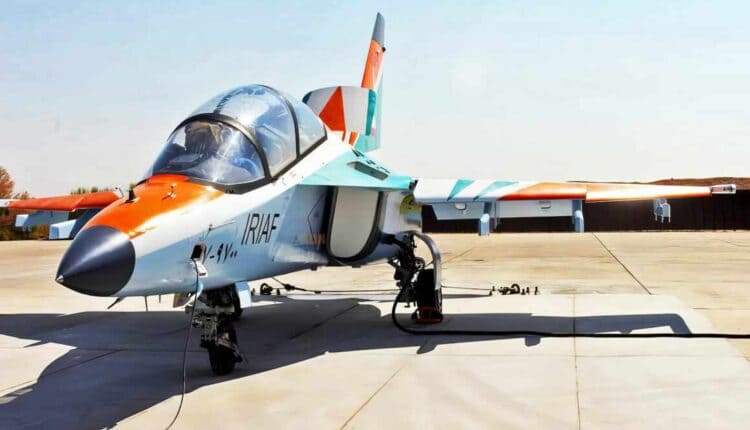
Indonesia had already cancelled its order for Su-35s in 2018 due to similar pressure from the U.S. Two years later, Egypt repeated this action and sent the ordered planes to Iran. However, since then, Russia has had trouble delivering the Su-35 engines due to the war in Ukraine and other production issues.
Egypt Turns to China and France
Egypt is now focusing more on French and Chinese systems since the Su-35 is no longer an option. The Dassault Rafale continues to demonstrate its effectiveness in the Egyptian Air Force. The Rafale has the best performance in both air superiority and precision attack roles, thanks to its RBE2 AESA radar and SCALP cruise missile compatibility.
At the same time, China’s J-10C is becoming more popular. The “Eagles of Civilization 2025” military exercise impressed Egyptian pilots after they trained with the J-10C. Equipped with an AESA radar and modern PL-15 missiles, the jet offers a viable and cost-effective substitute for Russian equipment.
Autonomy Expands the Remit
Egypt’s military strategy also includes a desire to learn more about unmanned aerial systems (UAS). Turkey’s Bayraktar TB2 and China’s Wing Loong II are examples of platforms capable of conducting surveillance and strikes at lower operational expenses.
Drones provide quick-response options in regions such as Sinai and Libya, where deploying human-operated aircraft may not be the most effective choice due to increasing rebel threats.
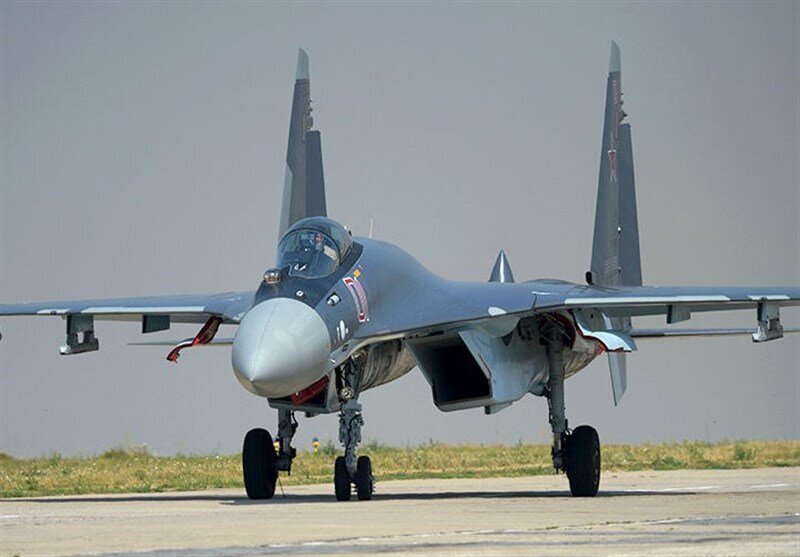
Export Troubles Deepen for Russia
The failure of the sale of Egypt’s Su-35s hurts Russia’s already weak armaments industry. Losses on the battlefield in Ukraine, along with international sanctions, have delayed supply dates. Ukrainian reports indicate that Russia has lost over 40% of its Su-35 aircraft, which further diminishes its credibility as an exporter.
Because only a few dozen Su-57 stealth fighters are in service, efforts to sell them have been largely unsuccessful. India and Indonesia, for example, have either postponed purchasing Russian fighters or abandoned their plans to do so completely.
Middle East Strategy Shift
Egypt’s refusal to buy the Su-35 is part of a larger shift in the way Middle Eastern countries purchase defense equipment. France and China are taking over for traditional suppliers like Russia, who are losing ground. Reports say that other regional nations, such as the UAE and Algeria, are also looking into Chinese platforms like the J-35.
In the meantime, the U.S. actively uses diplomacy and funding to dissuade allies from purchasing Russian military systems. However, China steadily expands its military footprint, posing a long-term challenge to sustained Western dominance.
Final Take: Egypt’s Airpower Shift
Egypt deliberately rejected the Su-35 after conducting a thorough technical review of its combat performance and relevance. Moreover, Egypt prioritized stealth, autonomy, and multirole capability in its evolving air force doctrine. As a result, Cairo shifted its focus toward modern Chinese aircraft, such as the J-10C, and established Western platforms, such as the Rafale.
Additionally, Egypt actively integrates drones and unmanned systems to counter both conventional and asymmetric threats. Meanwhile, Russia struggles with defense production issues and increasing global isolation from key military partners. These developments could lead to the complete dominance of Chinese and Western aircraft in Middle Eastern airspace in the near future.
References
- Reuters— “Egypt risks U.S. sanctions over Russian fighter jet deal: U.S. official” (18 Nov 2019).
- U.S. Congress (Congress.gov)—H.R.3364 (Public Law 115-44): Countering America’s Adversaries Through Sanctions Act (CAATSA) (full text + legislative status).
- United Aircraft Corporation (UAC)—Su-35 official aircraft page (manufacturer specs incl. phased-array radar range/track-engage figures and 117S engine details).
- Dassault Aviation—Rafale “Detect and pursue” (RBE2 AESA radar and SPECTRA internal EW suite overview).
About the Author