E-3 Combat Loss Exposes AWACS Risk
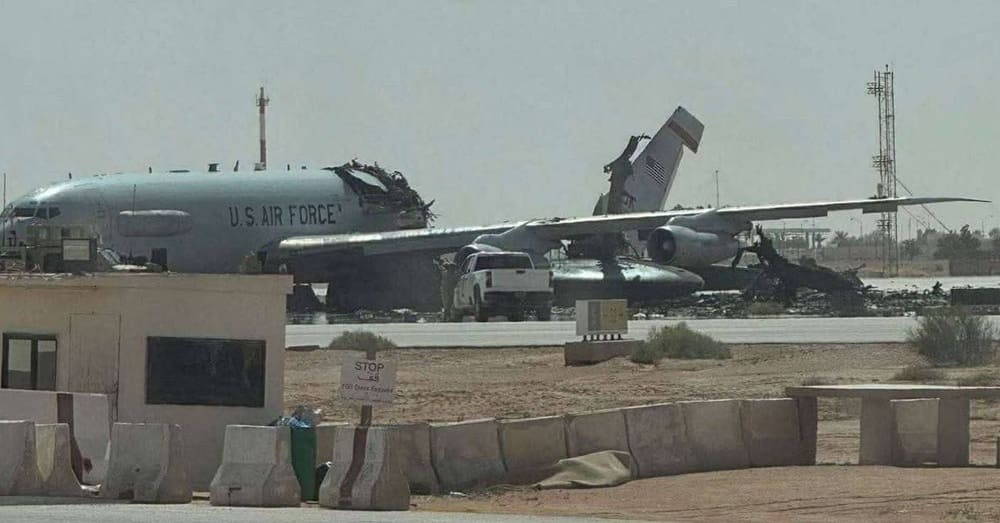
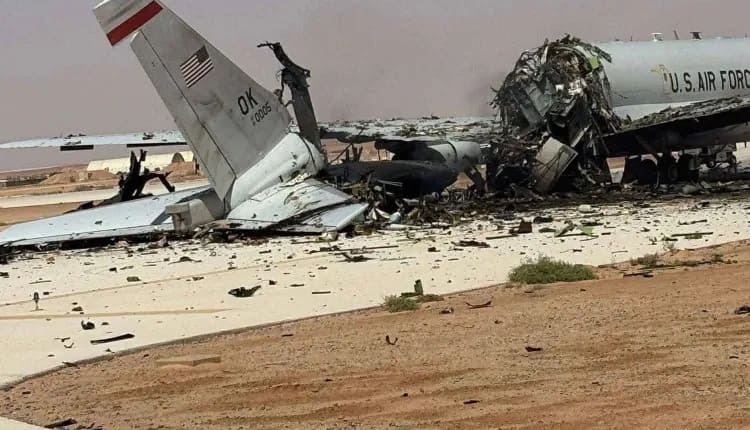
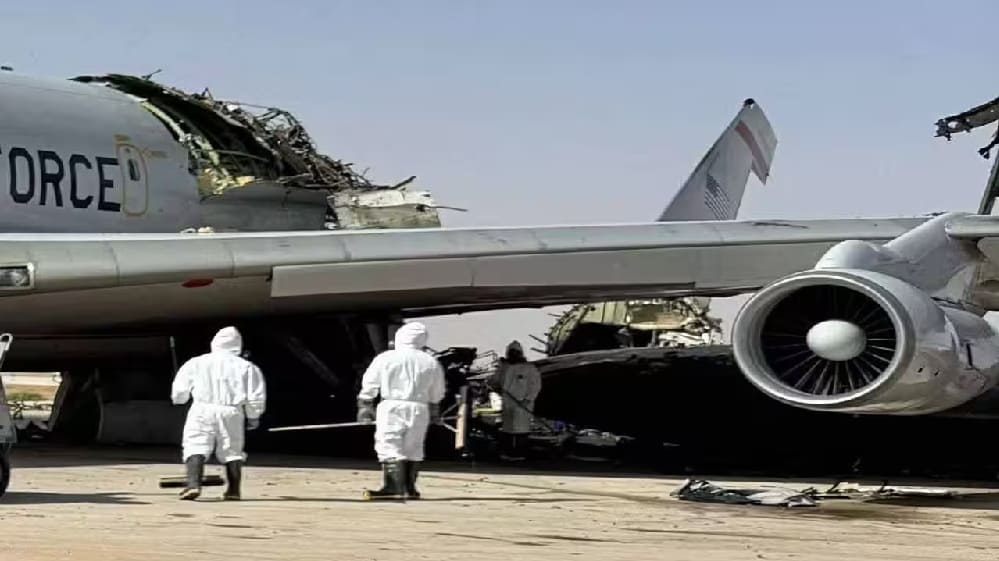
The reported E-3 combat loss at Prince Sultan Air Base is more complex than it appears. It serves as a warning about the vulnerability of high-value enablers in a regional conflict that heavily relies on missiles. Bloomberg reports that an Iranian strike in Saudi Arabia destroyed an E-3 Sentry, marking the first known combat loss for this type. According to other reports and examined photos, the aircraft was probably beyond repair due to the extent of the damage.
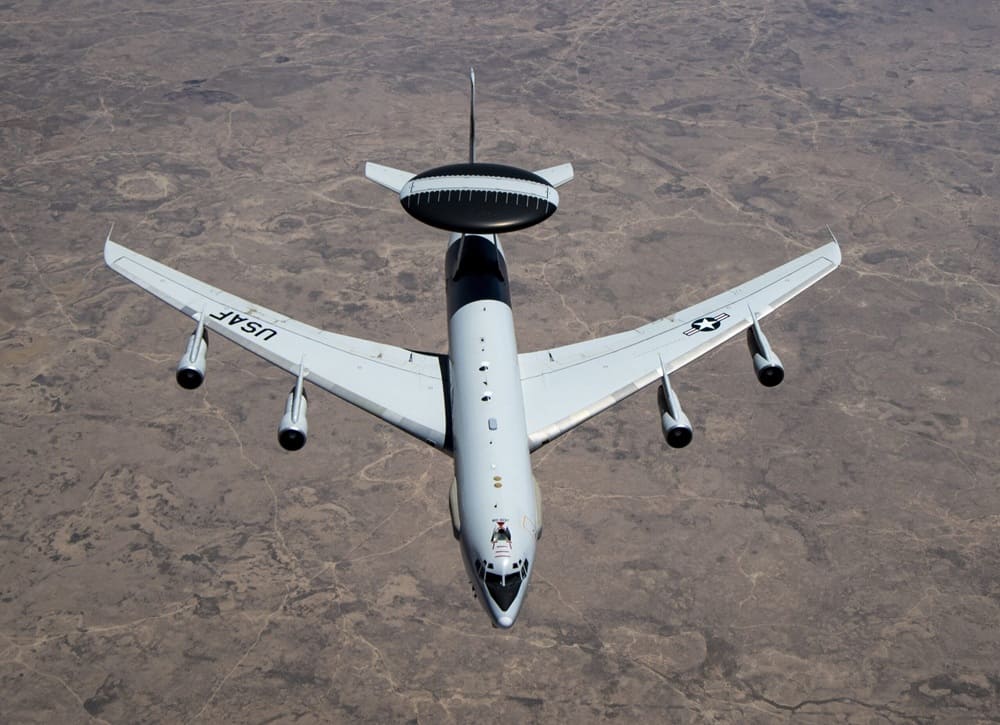
The E-3 is more than just another plane on the ramp, which is why it matters. Commanders can view the battle, sort targets, direct fighters, and manage the larger air picture in real time with the aid of this airborne command post. According to the US Air Force, the platform offers tracking, monitoring, and
Prince Sultan Strike
From every angle, the strike looked terrible. According to the Associated Press, Iran launched six ballistic missiles and 29 drones at Prince Sultan Air Base on March 27. The attack injured at least 15 US soldiers, with five of them sustaining severe injuries. Reuters initially reported that 12 individuals sustained injuries, with two of them suffering serious harm. Subsequent updates revealed an increase in the casualty count. The attack hurt more than just the E-3. Bloomberg reported that several other military planes also sustained damage. Air & Space Forces Magazine said that the strike also hit tankers that refueled planes in the air. Before the attack, the base had six E-3s. Iran seems to have gone after more than just frontline strike jets; they also went after the systems that keep American airpower going.
Why the E-3 Matters
It’s easy for tech-savvy people to see how important the platform is. The E-3 is a modified Boeing 707 with a 30-foot radar dome that spins. The US Air Force says that its radar can see more than 250 miles and that the plane can stay on a mission for about eight hours without needing to refuel. That combination gives commanders a moving sensor and control node that can see farther than most ground-based systems and change the way air operations are run as the fight changes.
That’s why losing an E-3 in battle has effects that go beyond the cost of one plane. AWACS planes do more than just find threats. They also help keep crowded airspace clear, tell interceptors when to go, and connect planes, ships, and command centers into one operational picture. When one of these planes goes missing, it complicates the entire air campaign. Air & Space Forces Magazine quoted defense analysts as saying that losing this plane could leave gaps in coverage and make it harder for the Air Force to run the battlefield effectively.
A Fleet Under Strain
The E-3 fleet was already under a lot of stress before this strike, which is the bigger problem. Air & Space Forces Magazine said that the operational fleet has shrunk to about 16 planes and that the mission-capable rate in fiscal year 2024 was about 56 percent. That means that the US was already using a small number of old planes to support a difficult regional war. Losing one airframe from such a small fleet is unusual. This loss is a problem with the structure.
The E-3 is also from a different time. The plane has been in service since the late 1970s and has flown in operations from Desert Storm to Iraq, Afghanistan, Kosovo, and the fight against the Islamic State. But just because something lasts a long time doesn’t mean it can survive. A large radar plane, vulnerable to ballistic missiles, drones, and reconnaissance networks, no longer enjoys safety simply due to its value. Its worth makes it a target, in fact.
Iran’s Targeting Strategy
This episode also shows how Iran chooses its targets. Tehran seems willing to go after more than just combat aircraft. They also want to go after the systems that make the larger air campaign possible, like tankers, radars, bases, and airborne battle-management platforms. That way of doing things makes sense for the military. If you can’t win the air war outright, you can still make it more expensive, slower, and less organized by attacking the nodes that hold the force together.
Therefore, the loss of the E-3 in battle should indicate the progress of the situation. Iran wants to limit the US’s ability to reach, learn about, and move quickly. Reports say that the number of missiles and drones has gone down since the war started, but the fact that they can still hit a high-value target shows that the threat is still there. It has just become more picky.
Why the E-7 Matters Now
This moment is when the debate over replacements becomes urgent. People have long thought that the E-7 Wedgetail would be the best replacement for the old E-3 fleet, but its future has been unclear. The Air Force gave Boeing contract changes worth about $2.4 billion on March 12 to keep working on the E-7, but the long-term acquisition path is still not clear. At the same time, leaders at the Pentagon have said they want to use space-based systems more for some battle-management tasks.
But this attack makes a simple point clear. In the future, space-based sensing might help, but for now, commanders still need planes that can handle real-time tactical air battles. The loss of the E-3 in battle does not mean that all big surveillance planes are out of date. It does show, though, that the US can’t afford a quick changeover from one generation of airborne command-and-control aircraft to the next. If anything, this event makes the case even stronger for faster replacement, better spreading out, and stronger base defense for high-value air assets.
Why It Matters Now
In the short term, the reported loss of one E-3 will make an already stressed force even more stressed. In the long run, it could make it harder to decide how to recapitalize the fleet, how to keep it safe, and how to protect the US’s most important support aircraft in a regional missile war. Of course, front-line fighters are still important. But this strike shows that the people who start wars often have a big impact on how they go. The whole system feels it when the flying command post goes down.
References
- https://www.bloomberg.com/news/articles/2026-03-29/us-sees-first-combat-loss-of-valuable-e-3-jet-in-missile-strike
- https://apnews.com/article/iran-war-american-casualties-wounded-troops-ea713e7850053d8670b062e6b11a6e39
- https://www.af.mil/About-Us/Fact-Sheets/Display/Article/104504/e-3-sentry-awacs/
- https://www.airandspaceforces.com/key-e-3-awacs-aircraft-damaged-iranian-attack-saudi-air-base/
About the Author