
Dutch JAK-52 vs Shaheed Drones
Stunt plane vs Shahed Drone
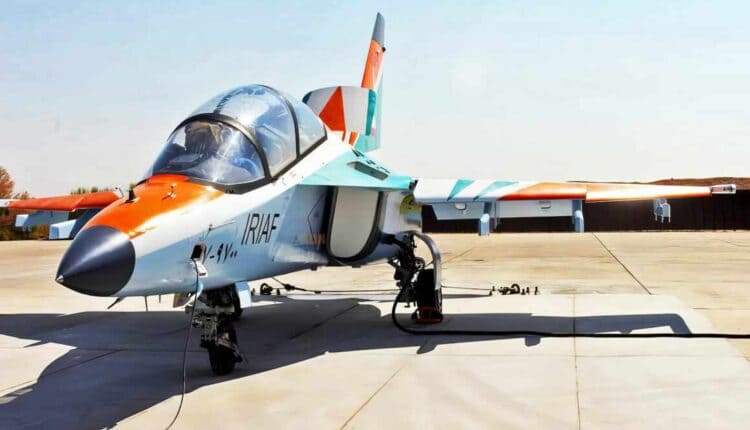
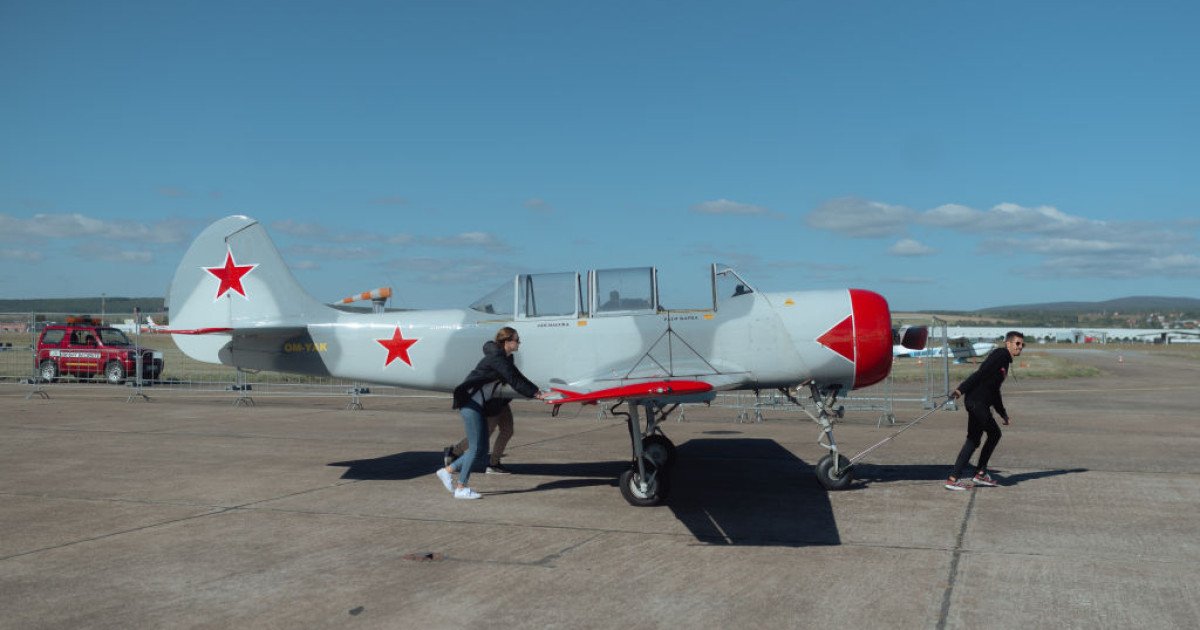
When a Dutch foundation sends a Soviet JAK-52 to Ukraine, it sounds like a heritage aviation story, not a case study on air defence. Yet this 1970s-era trainer has been reborn as a budget interceptor against Iranian-made Shahed drones, which have killed civilians and battered Ukraine’s energy grid.
The Dutch foundation Protect Ukraine bought the Yak-52 for roughly $90,000. It was donated to a Ukrainian unit that specialises in antidrone operations. In a war where a single surface-to-air missile can cost more than the aircraft itself, that price tag is almost suspiciously modest.
JAK-52 hunting Shahed Drones
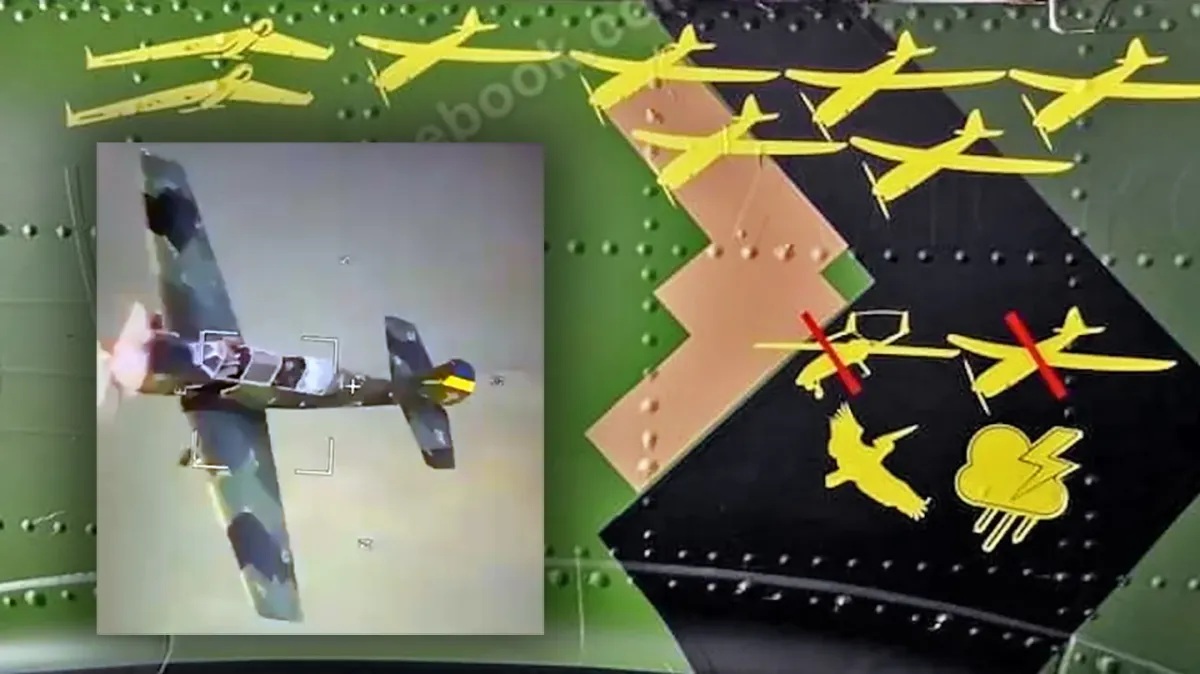
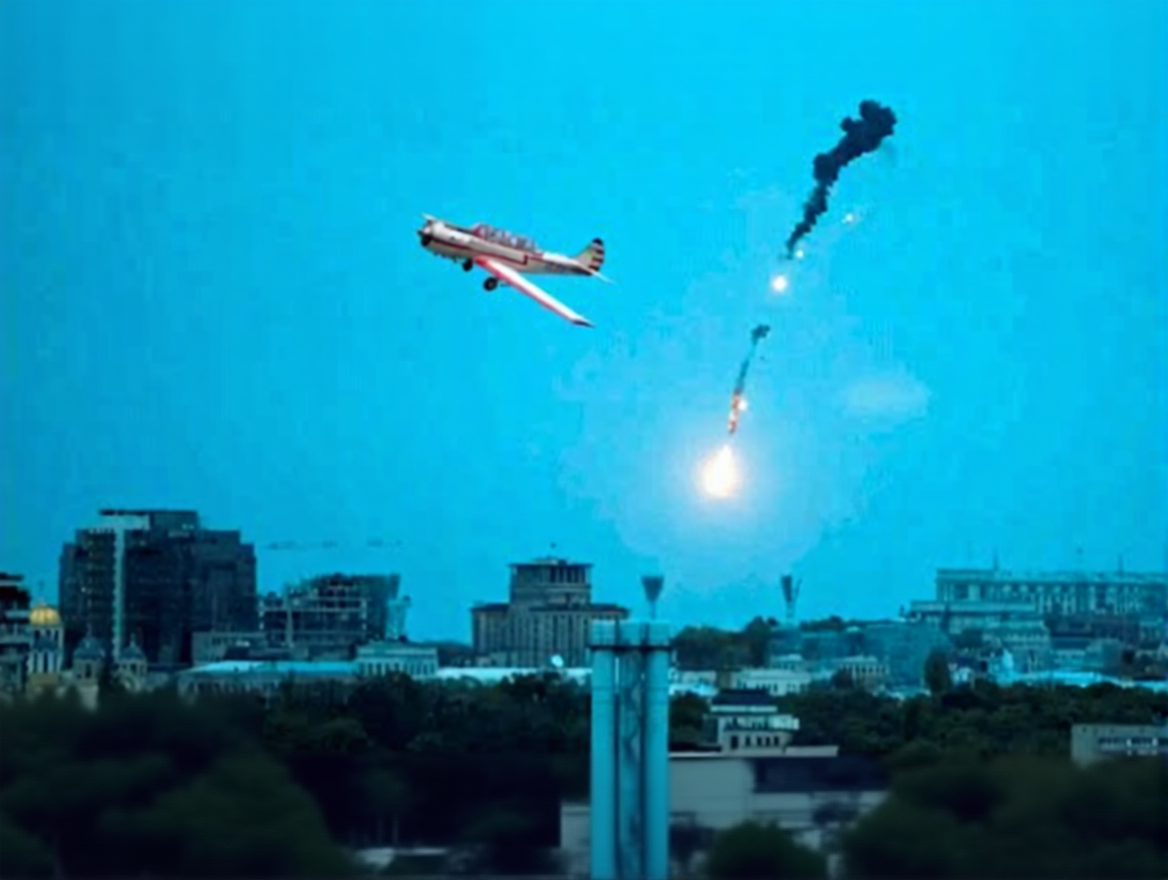
In practice, the Dutch foundation sends Soviet JAK-52s to Ukraine not to dogfight jets but to ambush slow, noisy kamikaze drones. When air defences detect a Shahed swarm, the propeller-driven aircraft scrambles, climbs to altitude at around 250 km/h, and manoeuvres into the drone stream.
Once in position, the pilot opens the canopy, and a gunner engages drones at ranges of roughly 50–100 metres using small arms. The JAK-52 is more similar to a flying pickup truck than to a fifth-generation fighter, but it is effective. Dutch volunteers say the aircraft may account for up to 10% of Shaheds on some nights.
Cheap 1970s trainers make financial sense
The real logic behind how the Dutch foundation sends Soviet JAK-52s to Ukraine is cost per kill. A Shahed drone reportedly costs tens of thousands of dollars; many of the missiles fired at them cost several times more. A vintage piston aircraft burning Avgas and firing rifle rounds is far cheaper per engagement.
Protect Ukraine has already provided cars, motorcycles, medical supplies, and even maritime systems, viewing the JAK-52 as a single node within a broader logistics pipeline. For Kyiv, this kind of “good enough” platform fills gaps in the defence of rear-area infrastructure, freeing high-end systems to guard cities and key bases.
Limits, Risks and Courage
Of course, when a Dutch foundation sends a Soviet JAK-52 to Ukraine, it also sends pilots into a very dangerous job. The Yak-52 has no radar, limited avionics and flies low and slow—exactly where debris from exploding drones falls back to earth.
Ukrainian crews operate at night, visually tracking drones with limited sensors while staying clear of their own ground-based fire. It is not like Top Gun; it resembles a flying club competing against Shahed. Defence specialists rightly point out that this single airframe will not transform the air war, but every extra intercepted drone is one less impact on a substation or apartment block.
Fitting into a layered anti-drone setup
Crucially, the Dutch JAK-52 story sits inside a much larger air defence ecosystem. Legacy aircraft are only one layer of Ukraine’s growing counter-drone toolkit. Kyiv is also due about 35,000 interceptor drones from an international drone coalition. The United Kingdom and Latvia lead this effort, while partner nations help finance the contracts.
These small, agile interceptors will hunt Shahed and other UAVs in swarms or as single targets. They can operate autonomously or under tight remote control from Ukrainian crews. Together, they reinforce guns, jammers, and crewed aircraft, like the Yak-52, for layered defence. The Netherlands has already pledged hundreds of millions of euros for modern anti-drone systems. That commitment shows this quirky Yak-52 donation is part of a serious, long-term national effort.
This experiment and defence planners
From a doctrinal view, the Dutch foundation’s JAK-52 donation to Ukraine highlights a crucial lesson. Modern air defence is now both a pricing battle and a technology contest. Not every target deserves a missile that costs more than the drone. Not every interceptor needs to be stealthy, networked, or freshly built.
Instead, commanders can creatively reuse legacy platforms and still remain in the air defence game. They can pair old airframes with modern sensors, reliable data links, and cheap interceptor drones. Together, these ingredients form a template for medium powers facing mass UAV threats. The JAK-52 alone will not end Russia’s campaign. Yet, it shows how ingenuity and volunteers can stretch limited air defence budgets. An €80,000 aeroplane that clips Shaheds already shifts the attrition curve towards Ukraine.
In that sense, the Dutch foundation sends the Soviet JAK-52 as more than a flying gun platform. It sends a clear signal about adapting cheaply and quickly in the drone age. Every affordable idea that stops even one Shahed deserves serious attention from planners.
References
- https://united24media.com/latest-news/dutch-foundation-sends-soviet-jak-52-to-ukraine-aiding-shahed-drone-combat-13325 United24 Media
- https://en.defence-ua.com/news/vintage_yak_52_aircraft_is_being_reborn_as_a_drone_hunting_platform_on_ukraines_front_lines-16457 Defense Express
- https://united24media.com/latest-news/uk-led-drone-coalition-to-deliver-35000-interceptors-to-ukraine-to-stop-russias-shaheds-12499 United24 Media
- https://militarnyi.com/en/news/drone-coalition-to-deliver-35-000-interceptor-drones-to-counter-russian-shahed-uavs/ Militarnyi
About the Author