
Dragonfly-3 Crisis: Azerbaijan Presses Israel for Answers
After Yerevan showed the Dragonfly-3 loitering munition, Baku asked Israel for answers. This isn’t a show; it’s trust. Early photos and briefings make it look like a Harop-like idea and make us wonder about third-party routes. One Israeli defense chief said, “The technological path to Armenia probably went through India.” Israel Aerospace Industries (IAI) says it isn’t true. IAI says it doesn’t agree with the claims and that it follows Israel’s export rules, like DECA guidance, for every deal, including those with India.
Why Harop Still Matters
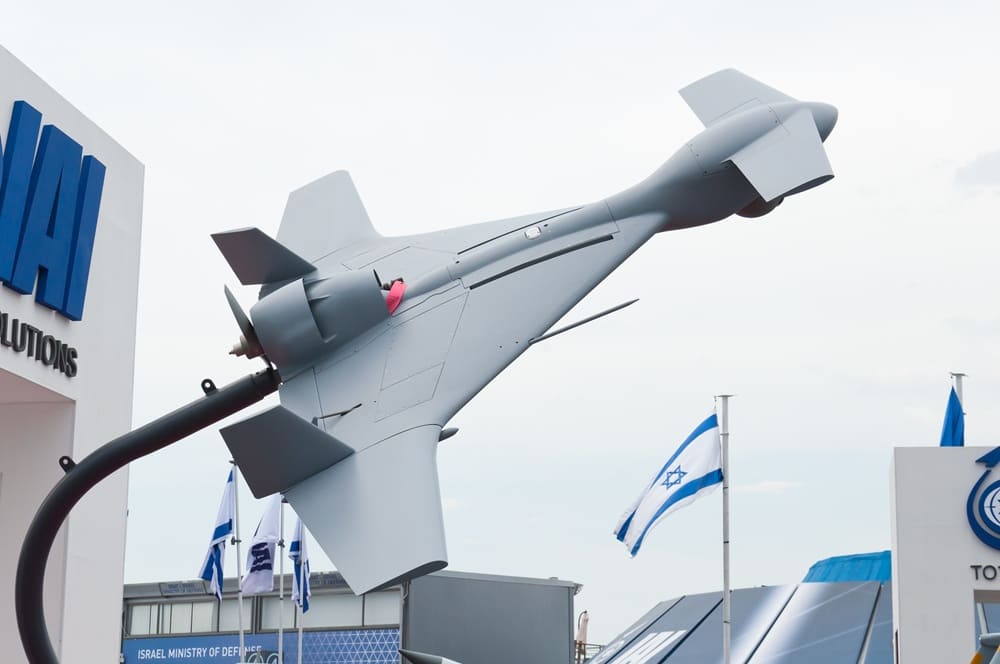
Harop changed the way planners thought about the 2020 Karabakh war. Baku used strike drones to find radars, hit air-defense sites, and pick off armor. They then repeated this action at a rapid pace, causing damage to older air-defense systems designed for jets and missiles.
Open sources say that Harop can fly for up to nine hours and has a range of up to 200 km. They also say that the top speed is 225 knots (about 417 km/h), the ceiling is about 15,000 feet, and the warhead for a dive attack weighs 16 kg. Those numbers are important, but the steady pressure was even more important because Harop can stay in one place and attack when a target appears.
Why Baku Fears a Harop-Style Drone
For years, Baku has spent billions of US dollars on Israeli drones, sensors, missiles, and other weapons. Most reports put the total in the low tens of billions, which is well over RM140 billion at the current exchange rate. Therefore, any new threat that lingers in Yerevan’s hands appears to be a direct attack on a costly advantage.
Even so, Baku doesn’t need a perfect Harop copy to feel the pressure. A smaller Dragonfly-3 loitering munition can cause more scattering and more spending on air defense. It can also make decisions take longer because units think a drone may be above them.
How Armenia Describes Dragonfly-3
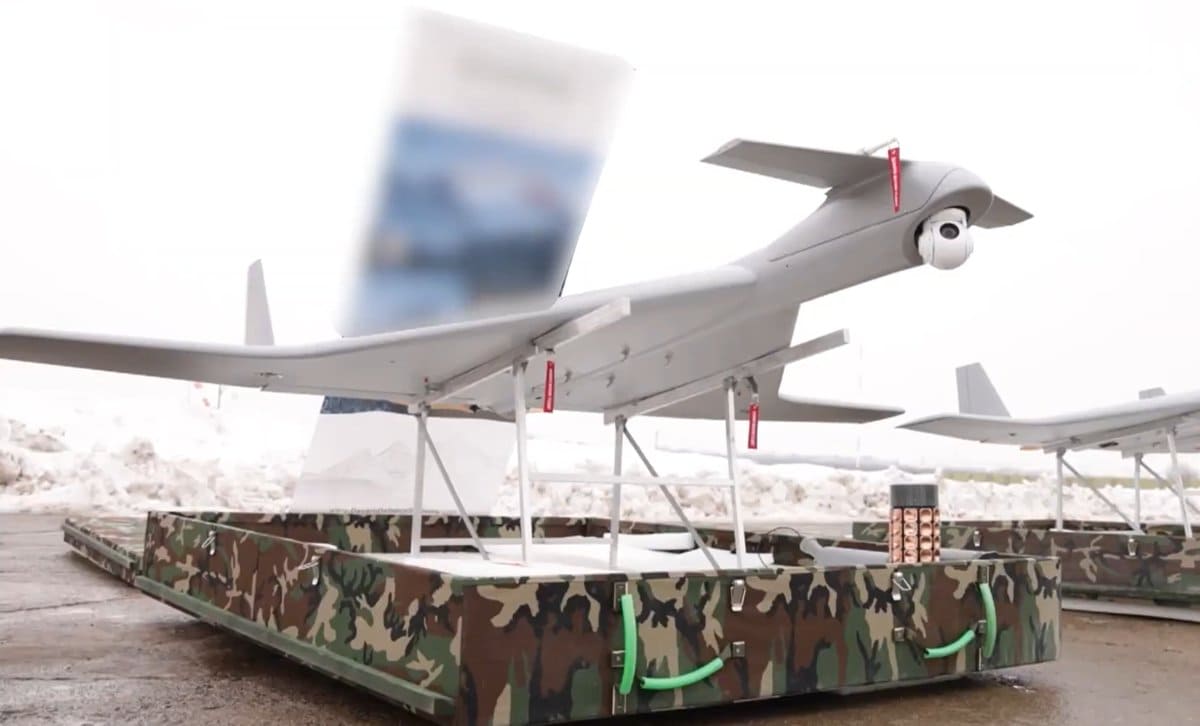
In October 2025, Davaro Defence Systems showed off the Dragonfly-3 loitering munition, also known as DDS-3. It showed how the system could help people deal with the drone shock of 2020 by giving them some stand-off punch back. Reports say that the wingspan is about three meters and the maximum takeoff weight is 42 kg. They also say that it has a five-kilogram warhead, can fly for about an hour, has a cruise speed of about 126 km/h, and can fight up to 120 km away. These numbers show that Dragonfly-3 is still within range of Harop, but not quite.
Familiar Shape, Different Origins
The Dragonfly-3 has a delta wing and a propeller that pushes from the back. Many strike drones have the same layout because this design keeps the nose clear for sensors and allows the drone to hover steadily. So, shape alone can’t show that parts, code, or know-how are shared.
What Proves a Transfer Claim?
Images often start the Dragonfly-3 loitering munition row, and pictures don’t usually settle hard claims. Real proof needs a trail, like matching seekers, copied control code, the same data link, or parts that can be tracked. The story stays political rather than technical without that. But experts should still see the widespread side effects as a real threat. Big “local build” deals can make it easier to get to build methods and test data, even if export rules stay strict. Also, staff changes and overlap between sub-firms can lead to leaks that no one planned for.
Broken drones still teach the most.
According to open reporting, Yerevan successfully retrieved Harop units that had suffered damage during and after the war. Drones often use modular electronics and airframe parts that engineers can take apart, measure, and test. Because of this, copying from wreckage can speed up a local design without any “handover” from the outside. Reports also say that teams in Yerevan looked into local strike-drone work as early as 2019. That point makes it challenging to make a clear timeline that only connects Dragonfly-3 to later deals and visits.
This is where India comes in.
The disagreement got worse because India runs Israeli systems and builds local capacity through “Make in India.” Critics say that when a complicated weapon enters a big industry, it can spread through levels of companies and contract work. But that risk doesn’t mean that India passed anything on.
India’s role in Israel’s defense trade also makes the volume higher. According to Reuters, India is Israel’s biggest defense customer and has bought about $2.9 billion worth of Israeli military equipment in the last ten years. That level of trade, along with connections made in the area, makes any rumor spread faster and louder.
From Russia to New Suppliers
Yerevan has been looking for new suppliers outside of Russia since 2022, and for important items, they have been moving toward India. Reports say that the purchases include Pinaka rockets, Akash-1S air defense systems, 155 mm artillery, and drones. So, people link Dragonfly-3 to ties between India and Armenia even though the timing is still unclear. The Dragonfly-3 loitering munition makes planning less certain in a strategic way. Even a one-hour drone can make Baku prepare for more threats from more places with less notice.
What Baku and Israel Won’t Risk
Israel has a stake in its image because Baku is a valuable partner that wants tight control. IAI has tried to make things clear by denying the claim and pointing back to following export rules. A senior source in Baku also downplayed any break, saying, “Baku knows that Israel didn’t give Armenia this ability. ” But sales of defense depend on trust. If buyers think there is a spread, they might ask for stricter checks, more audit rights, or different build terms. That’s why the Dragonfly-3 loitering munition row is important for more than just one airframe.
Lessons from Drone-Led Battlefields
This episode shows how quickly loitering technology spreads in dangerous areas and how battlefield captures can cut years off a plan. In the meantime, local building codes can make it hard to tell the difference between an original design and a copy, even if everyone follows the rules.
For Baku, the answer is to spend money on counter-UAS sensors, jamming, decoys, and layered air defense. Israel needs better guarantees and clearer rules for joint building work. For India, the safest thing to do might be to talk quietly, since public noise doesn’t usually help when three people are fighting for trust.
References
- https://davaro.am/product/dragonfly-3-1/
- https://www.iai.co.il/p/harpy
- https://automatedresearch.github.io/vehicles/IAI_Harop/
- https://www.reuters.com/world/india/india-faces-tightrope-walking-israel-hamas-war-2024-02-23/
About the Author