Downed F-15 Airman Rescued Inside Iran
The downed F-15 pilot’s rescue in Iran quickly became one of the most significant combat recovery stories of the war. What started as a report of a shoot-down over southern Iran turned into a fight for survival, a huge US rescue mission, and a fierce story battle between Washington and Tehran. At the same time, the US-Israeli campaign continued in many parts of Iran.
How the F-15 Fell
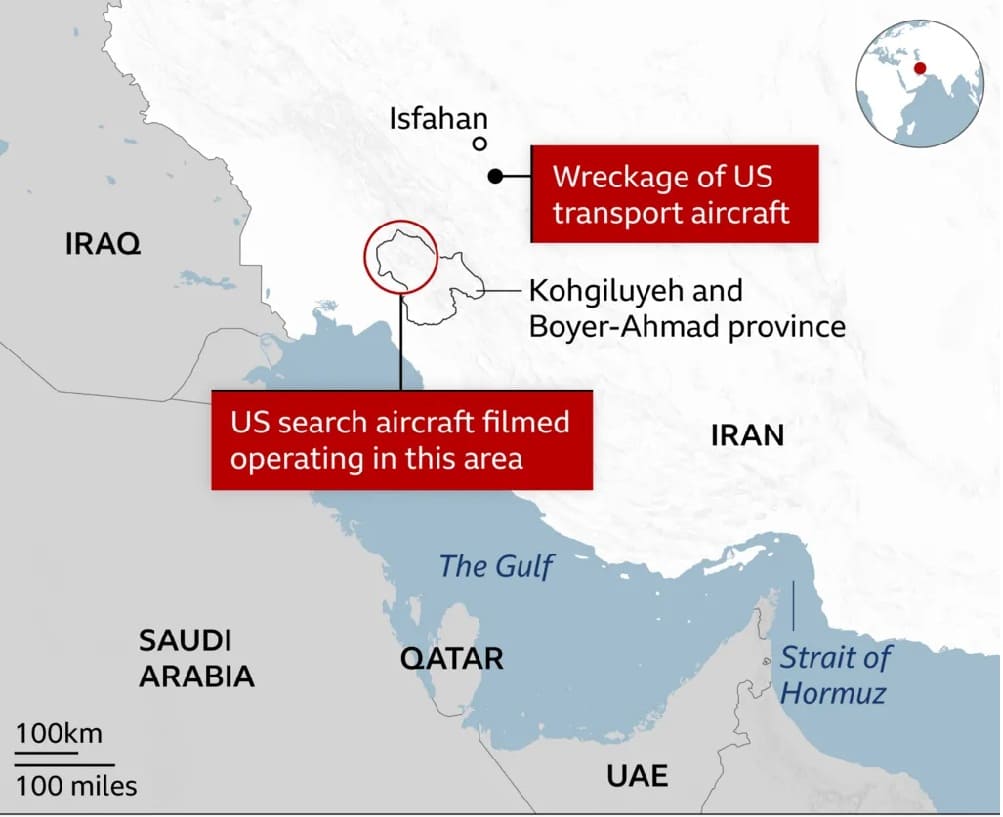
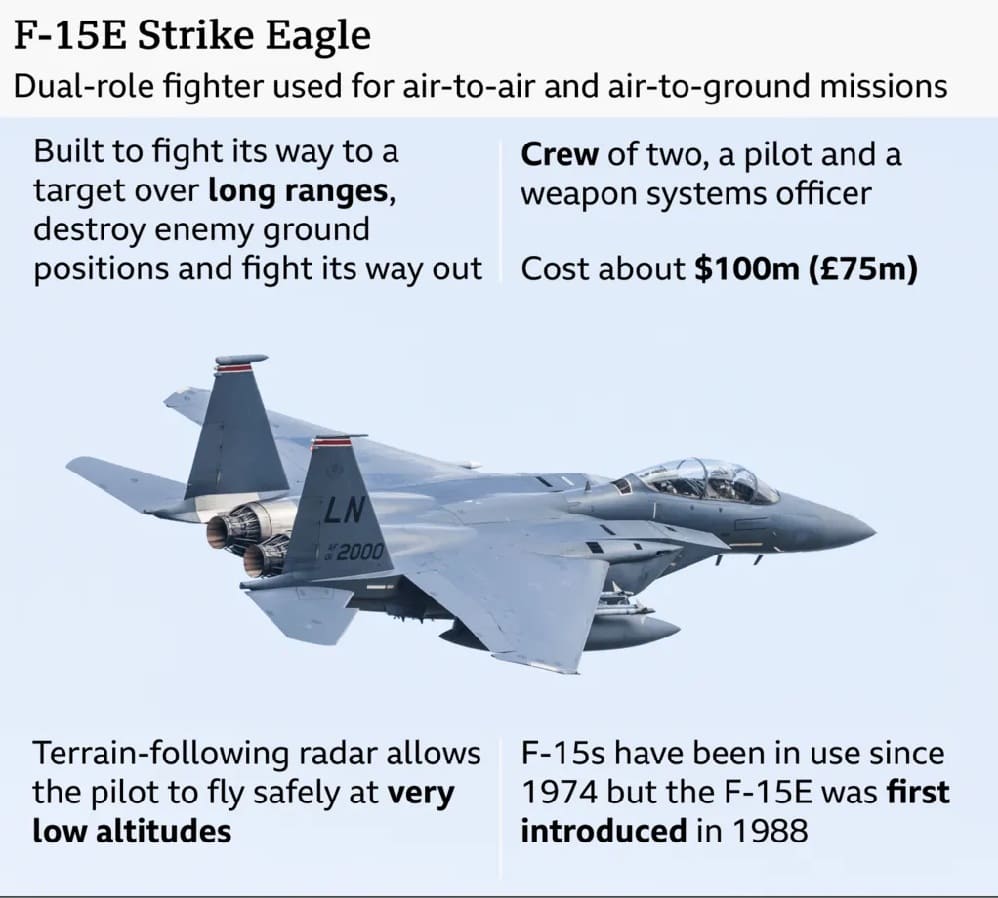
The event began after reports that a US F-15E Strike Eagle was shot down over southern Iran on Friday. Iranian officials said that their air defense system shot the plane down. Two crew members got out. One was found earlier, but the other was still missing for more than a day, which forced the US to launch a time-sensitive combat search-and-rescue mission.
There is still disagreement about where it is. Reports from early on indicated that the southern provinces, including Kohgiluyeh and Boyer-Ahmad, experienced the impact. Later reports from the Iranian military and rescue teams focused on Isfahan province. That uncertainty is important because it shows how chaotic and fluid the battlefield was even after the aircrew left the plane.
Why the Rescue Was Hard
Search-and-rescue missions in combat are some of the hardest things that any modern air force can do. They need to be able to move quickly, hide, get accurate location data, have enough firepower to protect the recovery force, and be able to make decisions swiftly when there is political pressure. Reports indicate that the missing officer survived alone in the mountains for over 24 hours, despite sustaining severe injuries.
Reports said that the missing airman climbed to a ridge line that was about 7,000 feet high. That likely increased his chances of being found, but it also showed how difficult the terrain was. US officials reportedly monitored his location continuously while they assembled the rescue package. Later, the survivor was flown to Kuwait for treatment.
This is important because recovery missions are never just about being brave. They rely on training, discipline in evasion, communication, intelligence support, and timing. So, the F-15 pilot who was shot down and rescued in Iran is a real-life example of how modern personnel recovery works under a lot of stress.
How the Airman Was Rescued in Iran
After what he called one of the most daring rescue missions in US military history, President Donald Trump said the second crew member was “SAFE and SOUND.” Later, he revealed that the officer had sustained severe injuries. Reports also said that Washington stopped doing other things to focus on the search and recovery effort.
The full sequence isn’t public yet, but the general idea is clear. With the help of special operations units and many planes, US forces started a big rescue mission. It also looks like intelligence support was crucial. Reports from the rescue indicate that the CIA supported a false story claiming the missing airman had already been found. This may have given the rescue team more time to find him.
The mission also showed a basic truth about high-end warfare: it can take a lot of force to save one airman. In today’s wars, one lone crew member can set off a theater-level response that includes surveillance, deception, air cover, command coordination, and the highest levels of political attention. That’s one reason why this rescue stands out.
Iran’s Account
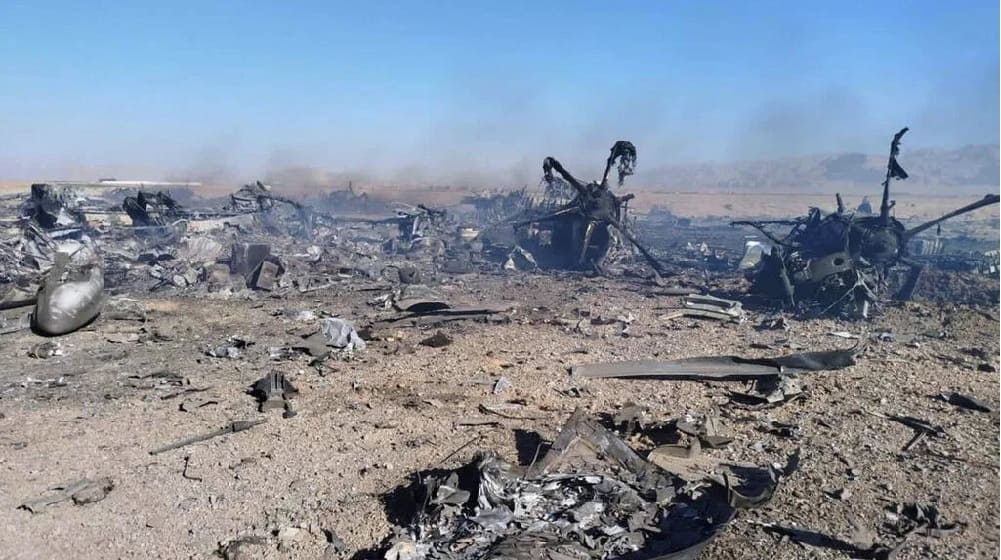
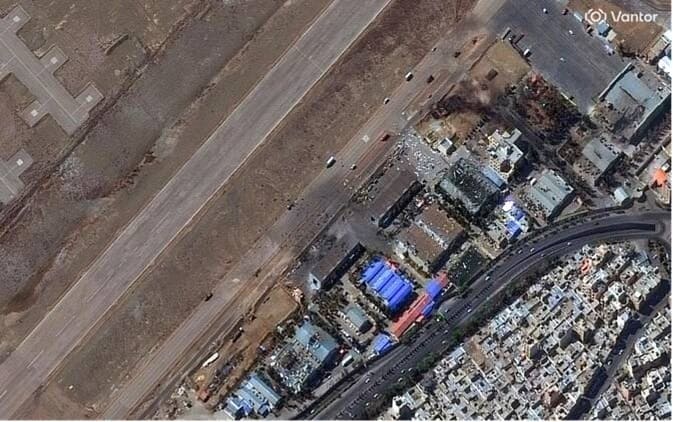
Iran told the same story in a very different way. Ebrahim Zolfaghari, who speaks for Khatam Al-Anbiya central command, said that the United States used an abandoned airport in southern Isfahan for what he called a “deception and escape mission.” He said that Iranian forces stopped the operation and destroyed two Black Hawk helicopters and two C-130 transport planes. No one else had verified these Iranian claims, according to Reuters.
Iranian news sources also said that during a joint operation involving the Aerospace Force, Ground Force, Basij, and police command, their troops shot down other enemy flying objects. Iranian news outlets reported the downing of an Israeli drone in Isfahan province on the same day. Those claims serve a clear purpose, even if they aren’t entirely true. Tehran wants to show that Iranian airspace is still dangerous and contested, even after the US and Israel put a lot of pressure on it.
The battle for information is almost as important as the battle itself. Washington framed the mission as a success in saving people in impossible circumstances. Tehran said it was proof that American planes and recovery equipment were still vulnerable in Iran. The split is significant for defense readers as both sides attempt to shape the narrative of this event.
Why the Loss Matters
The F-15E that was involved wasn’t just another plane on a normal patrol. It was part of a bigger war in the air. There were pilots, drones, missiles, air defenses, intelligence networks, and special forces all working together. There are serious questions if Iran shot down the plane. They include threat density, planning routes, and the cost of having people work in hostile areas.
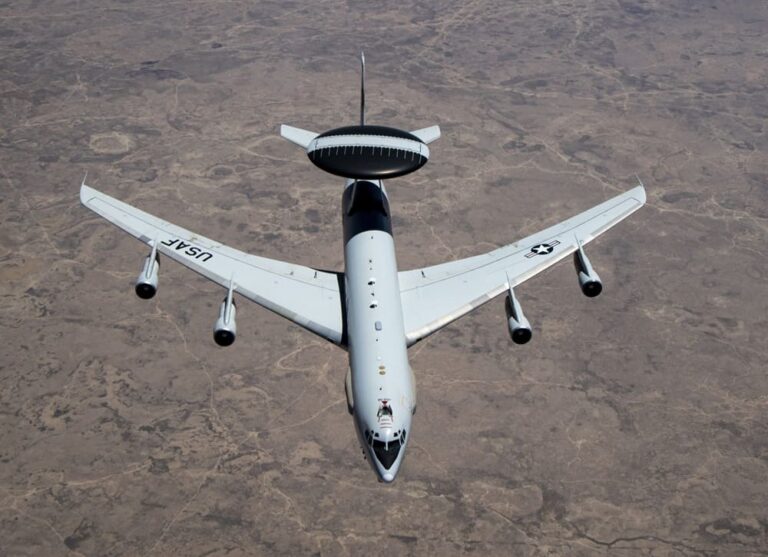
For wider context on the same conflict, see DNT’s Iran War Tests Chinese Air Defense Claims and E-3 Sentry Combat Loss Exposes AWACS Risk. Together, those pieces help place this rescue inside the larger debate about survivability, air defense performance, and high-value airborne risk in the Iran war.
The War Kept Moving
The rescue happened during a larger military operation. Iranian state media said that US and Israeli strikes on the Moghan Plain in the north-west killed five Islamic Revolutionary Guard Corps fighters in Ardabil province on Sunday. That means the story was never just about one missing pilot. It was part of a larger campaign that spanned from southern to northwestern Iran.
That wider setting is why technical and military readers should pay close attention. This single episode compresses several modern warfare themes into one case: aircrew survival, contested airspace, special operations reach, intelligence deception, and strategic messaging. External coverage from Reuters and Associated Press also shows how quickly the story split between confirmed rescue facts and disputed Iranian combat claims.
Conclusion
The F-15 pilot’s story, who was shot down and rescued in Iran, goes beyond a human interest narrative. It is a case study in how modern armies retrieve isolated soldiers back when they are under a lot of stress. It strengthened Washington’s belief in the idea of not leaving anyone behind. For Tehran, it was a chance to claim kills on planes, show resistance, and control the information war. The most important thing to remember is that the missing US crew member was found alive after one of the most difficult personnel recovery efforts of the war.
References
- Reuters — Iran says several ‘enemy aircraft’ destroyed during US pilot rescue mission
- Associated Press — What to know about the rescue of a US aviator shot down in Iran
- The Guardian — US rescues second crew member of downed F-15E fighter jet from Iran
- Arab News — Iran military says US rescue operation used abandoned airport in southern Isfahan
About the Author