

Concorde vs Tu-144 — Rival Supersonic Icons Explained
Why Concorde vs Tu-144 Matters
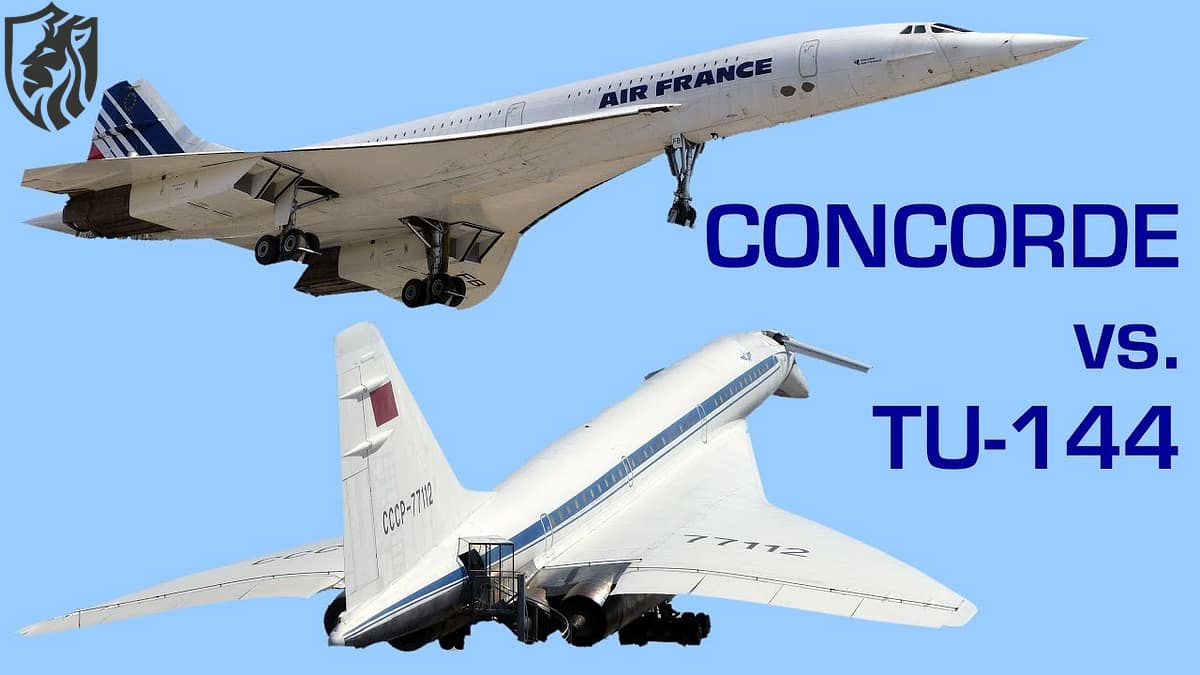
For many aerospace specialists, Concorde vs Tu-144 is more than a Cold War curiosity. It is a case study in how politics, engineering culture, and economics can shape two very similar machines into very different outcomes. Both aircraft proved that civil supersonic transport was technically possible. Yet only Concorde achieved a long, if limited, commercial career, while the Tu-144 faded fast and became a cautionary tale for future supersonic designers.
From Prestige to Prototypes
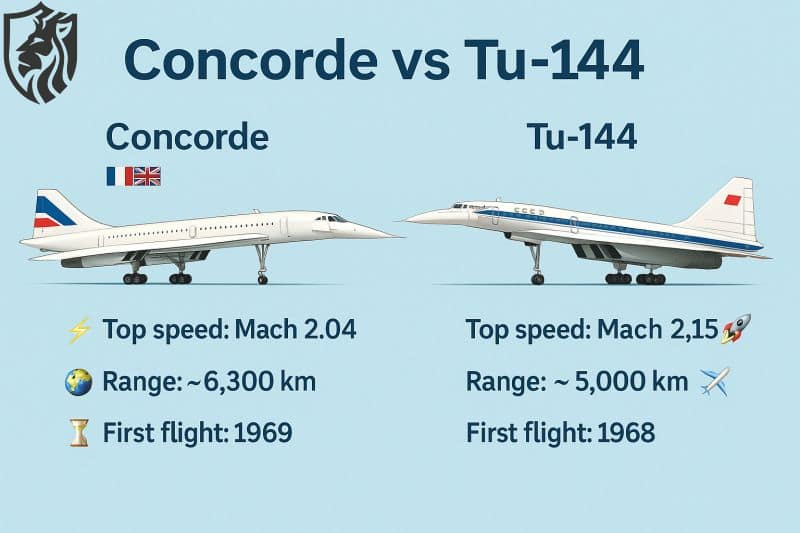
The Concorde vs. Tu-144 race began as a contest for prestige. Britain and France signed a treaty in 1962 to build a joint supersonic airliner. Their prototype Concorde first flew on March 2, 1969, and entered passenger service in January 1976.
The Soviet Union pushed the Tu-144 even faster. Its prototype flew on 31 December 1968, beat Concorde to Mach 2, and entered limited service on the Moscow–Alma-Ata route in the mid-1970s. Politically, the battle between Concorde and Tu-144 appeared to be a struggle between Western cooperation and Soviet speed, regardless of the cost.
Design Choices, Different Philosophies
At first glance, Concorde vs. Tu-144 looked almost identical: slender delta wings, four podded engines, and sharply pointed noses. Both cruised near Mach 2 at around 16,000–18,000 meters, and both depended on afterburning turbojets that drank fuel at a punishing rate.
However, the details reveal very different design philosophies. Concorde traded raw speed for stability and passenger comfort, with finely tuned aerodynamics and a relatively smooth cabin experience. The Tu-144 chased higher speed and bigger capacity; it later needed retractable canards and even a braking parachute to handle low-speed approaches. In practice, Concorde vs. Tu-144 meant refinement against brute-force compromises.
Safety Record and Major Accidents
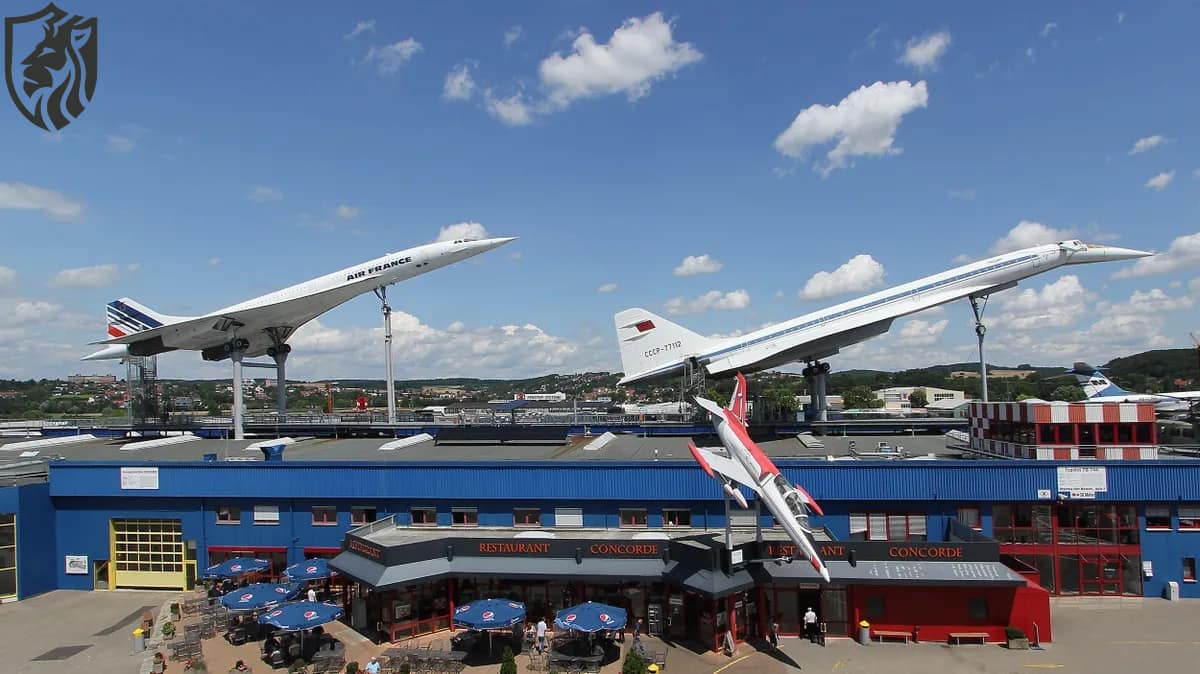
The safety dimension is where Concorde vs. Tu-144 diverge most sharply. The Tu-144 suffered a devastating crash at the 1973 Paris Air Show when a production airframe broke up in flight during a demonstration, killing six crew and eight people on the ground.
Commercial services began with mail in 1975 and passengers in 1977, but a Tu-144D crash-landing during a 1978 test flight killed two more crew and destroyed confidence in the type. Passenger services ended after only about seven months and 55 passenger flights. The program limped on in cargo and test roles until cancellation in 1983. In that respect, Concorde vs. Tu-144 shows how quickly a fragile safety reputation can collapse.
Concorde’s record looked stronger for decades. British Airways and Air France flew it on premium transatlantic routes from 1976 until the tragic Air France Flight 4590 crash near Paris in July 2000, which killed 113 people. Combined with rising costs and post-9/11 demand shocks, that single accident pushed both airlines towards retirement in 2003.
Economics of Concorde vs Tu-144
Ultimately, Concorde vs. Tu-144 was decided less by speed and more by economics. Both aircraft suffered from high operating expenses, limited range over land due to sonic-boom bans, and small fleets that prevented economies of scale. The Soviet system could hide losses longer, yet it could not hide reliability problems. With only one viable route and weekly frequency, Tu-144 operations never made economic sense. Aeroflot managers had little faith in the jet even before the 1978 crash.
Concorde enjoyed better reliability and a wealthy transatlantic customer base. However, due to fuel shocks, complex maintenance requirements, and environmental noise regulations, Concorde’s economics always remained precarious. By the early 2000s, airlines saw more value in high-frequency business-class cabins on subsonic widebodies than in niche supersonic glamour. For today’s defense and aerospace communities, Concorde vs. Tu-144 is a reminder that performance alone does not guarantee program survival.
Technology Legacy and Defense Links
The Concorde vs. Tu-144 story also influenced military and dual-use thinking. Each program generated valuable data on high-speed aerodynamics, materials, and engine behavior at sustained Mach 2. The Tu-144 later supported Soviet space and supersonic research, including training for Buran shuttle crews and, briefly, NASA trials in the 1990s.
For modern air forces, civil supersonic projects still offer knowledge regarding structures, thermal management, and long-range high-subsonic alternatives. Defense planners examining future bomber or missile carrier designs can still learn lessons from Concorde vs. Tu-144 about maintenance, noise footprints, and public acceptance.
Readers interested in how advanced aerospace projects shape force design may also want to revisit the articles “Why the F-35 Fighter Jet Isn’t the Right Fit for India’s Air Force” and “Ukraine Gripen Fighter Order—LOI Signals Airpower Shift“ on Defense News Today, which explore similar tensions between prestige platforms, affordability, and strategic utility.
Supersonic Comeback: Key Lessons
Today, Concorde vs. Tu-144 still frames almost every new civil supersonic proposal. Designers cite it when pitching business jets or airliners like Boom’s Overture. Boom’s Overture now has backing from several major airlines. Its XB-1 demonstrator has already broken the sound barrier during flight tests. However, future designs must treat Concorde’s commercial struggles as significant lessons, not passing historical footnotes. They must also respect the Tu-144’s safety and reliability problems as firm limits on acceptable risk. Noise, emissions, route choices, and maintenance costs will decide whether new jets thrive or end in museums. For aerospace planners, Concorde vs. Tu-144 remains a living benchmark, not a closed chapter in aviation history.
References
- https://www.britannica.com/technology/Concorde Encyclopedia Britannica
- https://www.britannica.com/technology/Tupolev-Tu-144 Encyclopedia Britannica
- https://simpleflying.com/boom-vs-concorde-supersonic-passenger-jets-differ/
- https://www.bbc.com/future/article/20171018-the-soviet-unions-flawed-rival-to-concorde
About the Author