

China’s Algorithm Outsmarts U.S. Hypersonic Missile Defense
In 2023, Chinese researchers reported a simulated method that they said could help hypersonic weapons avoid missile defense systems. The simulations do not show that the algorithm can defeat an operational U.S. missile defense system. Chinese media credit Zhang Xuesong and his team. Zhang’s team conducted the research as part of the PLA Strategic Support Force Information Engineering University.
The approach uses a technique called multi-model adaptive estimation (MMAE). Simply put, it uses multiple tracking models simultaneously. This is meant to improve prediction of interception attempts. It then helps a weapon change course so it will not be hit. If true, it calls into question the trajectory of U.S. hypersonic defense efforts. It also casts doubt on the future reliability of interception. The assertion comes as the US industry develops new counter-hypersonic systems.
The Glide Phase Interceptor (GPI) is a U.S. program specifically designed to counter hypersonic glide threats. The Next Generation Interceptor (NGI) is a separate program for homeland defense against ballistic missiles. NGI is intended to integrate with the Ground-Based Midcourse Defense system. Defense analysts say the stakes could be strategically important. The operational implications remain uncertain because the reported results came from simulations.
Zhang’s team reported a method for estimating an interceptor’s trajectory in simulation; the study did not demonstrate evasive maneuvers by a hypersonic weapon. The Chinese algorithm uses MMAE, a technique from engineering control systems, for hypersonic warfare, where reaction times and trajectory accuracy are measured in milliseconds and meters.
Many countries have pursued artificial intelligence for missile defense modeling, while Zhang’s team has modified MMAE to run at high speeds. In a simulated Mach 8 scenario, Zhang’s team reported estimating an interceptor’s trajectory to within about five meters within ten minutes; the test did not demonstrate successful evasion in flight.
MMAE in Hypersonic Warfare
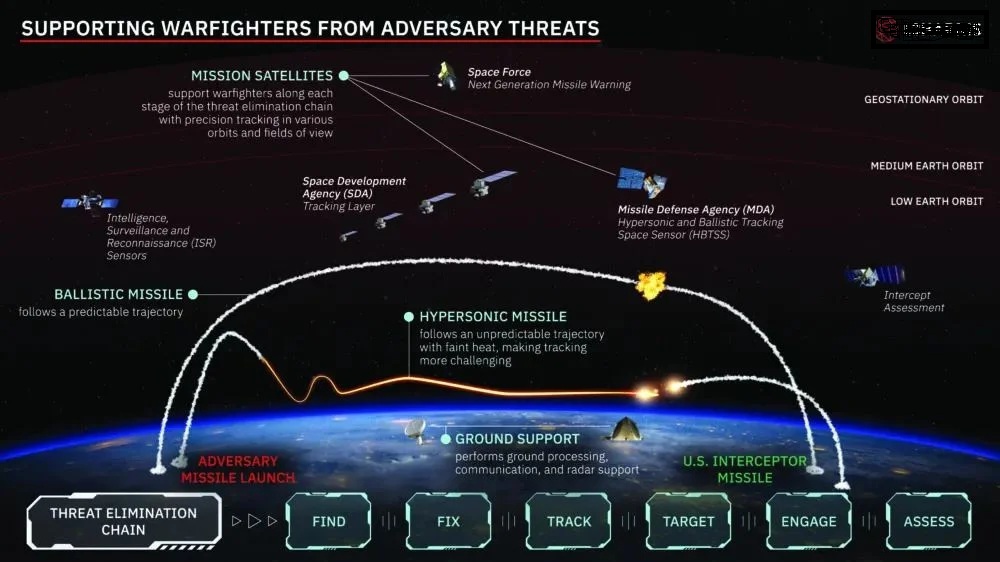
Analysts have long used MMAE with noisy and incomplete engagement data. China says it has found a new use for MMAE. It detects the types of interceptors during an attack. It can also infer hidden design parameters in counter-defense systems. MMAE is not new, but the concept scales. More compute and more tailored battlefield datasets seem to unlock more performance.
The reported result comes from simulated interceptor tracking, not a live test of hypersonic evasion. The reported ten-minute estimate does not demonstrate the response time required for a live missile engagement. The developments could change the face of the sensor war, the South China Morning Post said. It said weapons like the Chinese YJ-21 hypersonic anti-ship ballistic missile could be detected belatedly. The cited simulation does not establish when a YJ-21 would become detectable to radar or infrared sensors. By then, the target could be close enough to strike.
U.S. Next-Gen Interceptor Response
The U.S. is developing the Glide Phase Interceptor (GPI) to counter hypersonic glide threats and the Next Generation Interceptor (NGI) to defend the homeland against intercontinental ballistic missiles. In 2024, the Missile Defense Agency selected Lockheed Martin to continue NGI development and Northrop Grumman to continue GPI development.
They want to create layered defenses that include advanced radar systems, AI-based early warning systems, and multiple intercept options. However, the recent revelations about China’s algorithm may force the U.S. to reassess its assumptions about future intercept success rates.
Simulation vs. Battlefield
The Chinese algorithm has performed well in computer simulations but has not been tested in the field. But experts warn that there are far more variables in real-world operational engagements, including jamming, spoofing, and the erratic behavior of interceptors, than any simulation can account for.
However, the ability to engineer and possibly outsmart U.S. interceptors is a significant advance. The simulation suggests a possible way to estimate an interceptor’s path. It does not demonstrate evasion of an operational interceptor or a proven improvement in combat survivability.
Implications for U.S.–China Stability
An algorithm that could defeat American missile defenses would reduce the deterrent value of U.S. strategic systems. That would likely prompt Washington to develop even more aggressive countermeasures, perhaps including offensive cyber tools to disable command-and-control nodes before opposing forces launch a missile.
Furthermore, the creation of such a system could ignite a new arms race, not only in missile systems but also in electronic warfare and counteralgorithm technologies. NATO allies and Indo-Pacific partners, especially those reliant on US support, would also have to reassess their missile defense posture.

Thermal Signatures: Detection Limits
The algorithm has the important benefit of compensating for the current Chinese weakness in detecting interceptors with thermal sensors. Heat-based detection techniques have limited resolution, particularly at long range or high speed. The new algorithm avoids these problems by statistically predicting the path rather than directly detecting it visually or thermally.
The latter feature is particularly dangerous if the missiles come in at high altitudes or from unexpected directions and so evade traditional early-warning systems. For the United States and its allies, it could mean a second look at radar architecture, satellite coverage, and signal processing models.
The Next Phase of Hypersonic War
What China has created is not simply a new algorithm but a new paradigm for how future warfare will unfold. In theory, hypersonic weapons can “think” their way around defenses using real-time analytics and adaptive models. As the field matures, we could see algorithms competing in real-time, reacting to other algorithms’ moves, and adapting to outsmart each other in the future.
It will require massive computing power, strong satellite networks, and communication protocols that are faster than anything we have today. Either way, whoever masters the art of hypersonic interception or evasion will enjoy a major strategic advantage.
References
- SCMP – China’s Hypersonic Algorithm
- Defense News – China Algorithm Test
- Raytheon – NGI Overview
- Breaking Defense—Hypersonic Tech Race
- China’s Feitian 2 test elevates RBCC hypersonic technology, outgunning the U.S.
About the Author