China’s Triple-Engine J-36 Fighter Powers Up
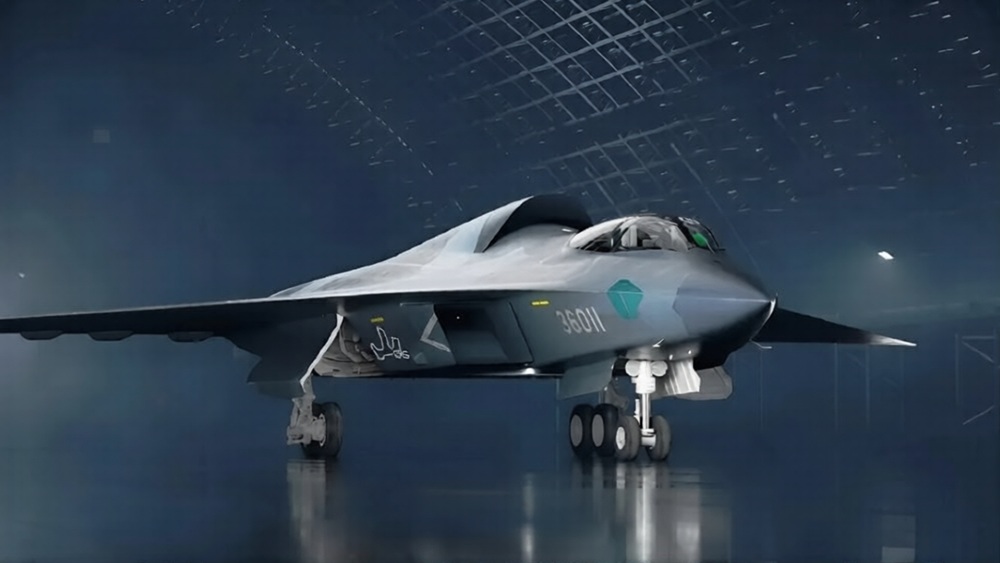
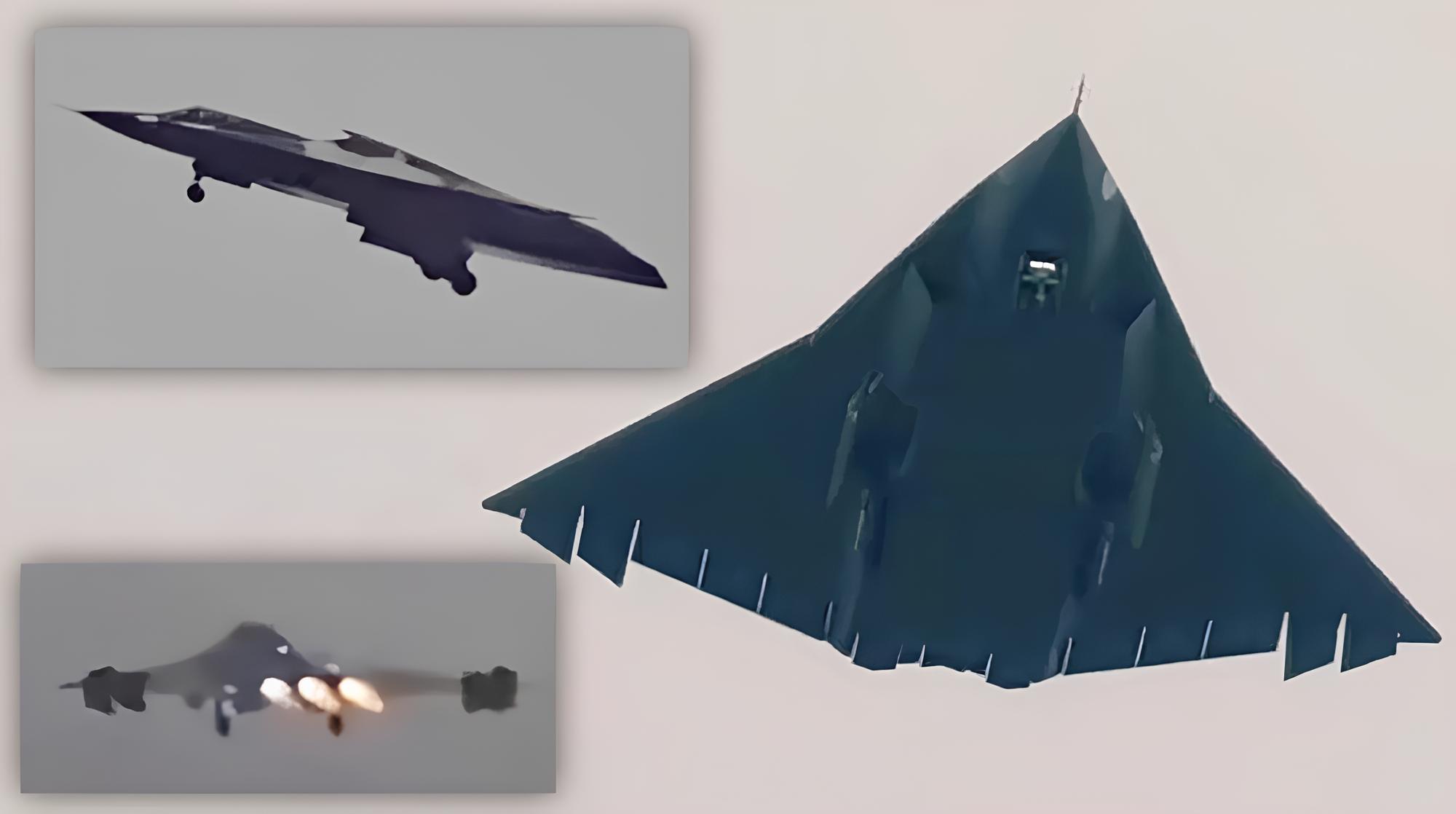
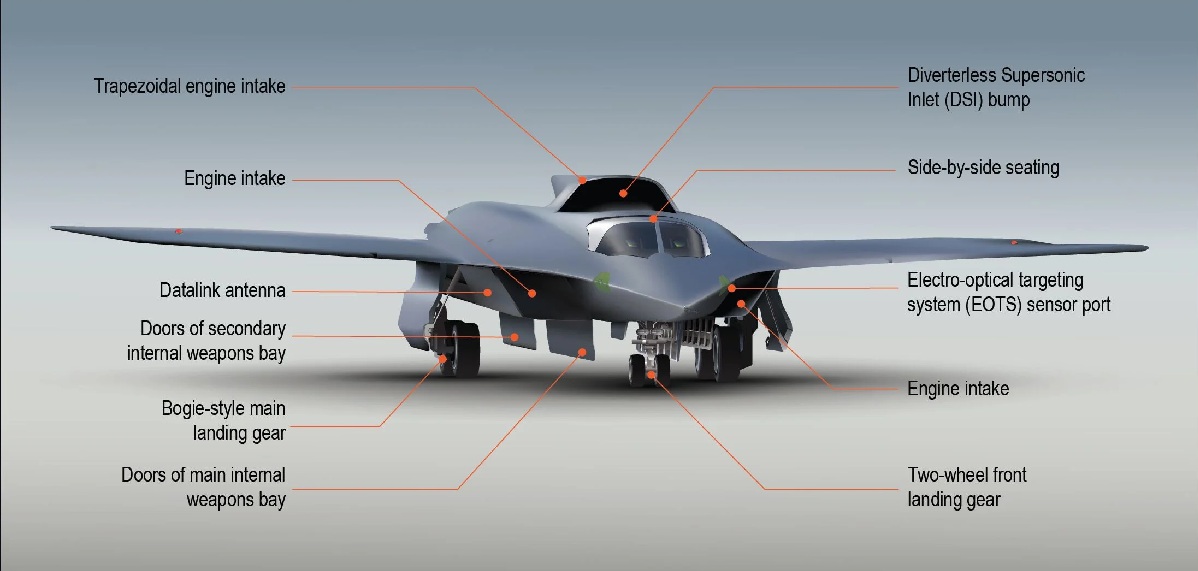
Photos on Chinese social media appear to show a triple-engine fighter with all three engines powered and glowing, likely during a run-up before takeoff. Chengdu Aircraft Corporation (CAC) first revealed the still-unnamed aircraft on 26 December 2024, and Western watchers often label it “J-XX” or “J-36.”
Three Engines Lit: Key Takeaways
The image shows the aircraft working as a full system, which usually comes after early taxi checks. The center engine also seems larger than the two outer units. So, designers may use the middle core for peak thrust while the side engines support efficient cruise.
Reports describe this plane as the largest fighter-class aircraft yet developed. Size alone creates a thrust problem. A triple-engine fighter can solve it without betting on one huge, high-risk engine.
Three Engines for Ultra-Long Range
A large airframe can carry more fuel and bigger sensors. But it also gains mass and drag, which can hurt climb and dash speed. China appears to have chosen extra thrust to protect performance, and a triple-engine fighter helps keep thrust-to-weight workable as the design grows.
Three engines can also support long missions. Designers can cruise in an efficient setting yet still keep strong reserve thrust. Additionally, the addition of a third engine provides an additional safety margin during long water routes.
8,000 km Range: Pacific Reach
Reporting expects the aircraft’s range to exceed 8,000 km, which would place targets within a radius of over 4,000 km within reach with no refueling, at least in theory. In the Pacific, that reach can ease tanker demand and widen basing options, so it sits at the heart of the triple-engine fighter debate. Range still depends on payload and flight profile. Even so, the claim signals intent: China wants a platform that can fly far, stay longer, and still keep fuel for a fight.
The latest photo also shows a revised main landing gear, with wheels sitting side-by-side on each main unit. This change often tracks weight growth or a stronger airframe. It can also point to a more mature layout.
Reports suggest four prototypes have entered flight testing. If the photographed airframe is one of the newer jets, it suggests the triple-engine fighter program is learning fast and changing parts quickly.
Key Unknown: Third-Stream & Adaptive Cycle
The real question is not “three engines,” but the engine type. Analysts ask if the triple-engine fighter uses a third bypass stream. Extra bypass air can sharpen cruise efficiency. It can also boost cooling for heat-intense sensors. The United States tested similar thinking under the Adaptive Engine Transition Program (AETP). AETP sought a switchable cycle for two modes. One mode prioritized fuel-saving cruise. The other delivered maximum thrust in combat.
However, the U.S. Air Force later avoided a new F-35 engine path. It aimed to limit cost growth. It also wanted to reduce integration risk. Instead, it pursued upgrades to existing designs. China could still chase a third-stream layout. It might also pursue an adaptive-cycle engine. Even so, AETP shows a familiar pattern. Programs often field the airframe first. Then, the team adds the most complex engine features in the later development blocks.
Beyond Thrust: Power and Cooling
Three engines can deliver more generator power and more cooling headroom. That matters because modern air combat rewards sensing and jamming, so designers scale radar size, electronic warfare (EW), and onboard processing.
Some reporting speculates the aircraft could host the world’s largest fighter radar and could later support directed-energy weapons (DEWs). Those details remain unconfirmed. Still, high-power systems demand power and heat control, and a triple-engine fighter offers margin for growth.
WS-15 Progress and Early-2030s Timeline
China’s engine progress sets the stage for future developments. The report stated that China integrated the WS-15 onto serial J-20 fighters in December 2025. It claimed that the WS-15 engine is in a similar category to the F135 engine on the F-35. Both engines outperform the older F119 on the F-22 in terms of power and efficiency. New J-20 variants using two WS-15s reportedly provide higher thrust than any fighter currently in service. Days before the latest image appeared, reports indicated that the fourth prototype made its first flight.
Four prototypes emerged within about 13 months of the December 2024 reveal. Some forecasts suggest that service entry could happen near the start of the 2030s, likely more than five years ahead of competitors. In comparison, US reports state that the F-47 plans for a 2028 first flight and expects service in the later half of the 2030s. Historically, the US has taken more than twice as long to move from flight testing to operational service.
Conclusion
China’s triple-engine sixth-generation jet shows an ambitious goal for long reach, powerful onboard systems, and a quick prototype pace. However, the readiness of the propulsion system will determine success. Technologies like third-stream bypass flow, adaptive-cycle control, and effective thermal management will influence practical performance. If Chengdu maintains this momentum, entry in the early 2030s appears possible.
References
- https://militarywatchmagazine.com/article/first-look-first-triple-engine-fighter-china
- https://www.airandspaceforces.com/air-force-new-f-35-engine-aetp/
- https://www.defenseone.com/policy/2023/03/air-force-abandons-new-f-35-engine-favor-upgrades/383890/
- https://www.defensenews.com/air/2025/09/22/first-f-47-now-being-built-will-fly-in-2028-us-air-force-chief/
About the Author