China’s Latin America Space Push Raises U.S. Alarm
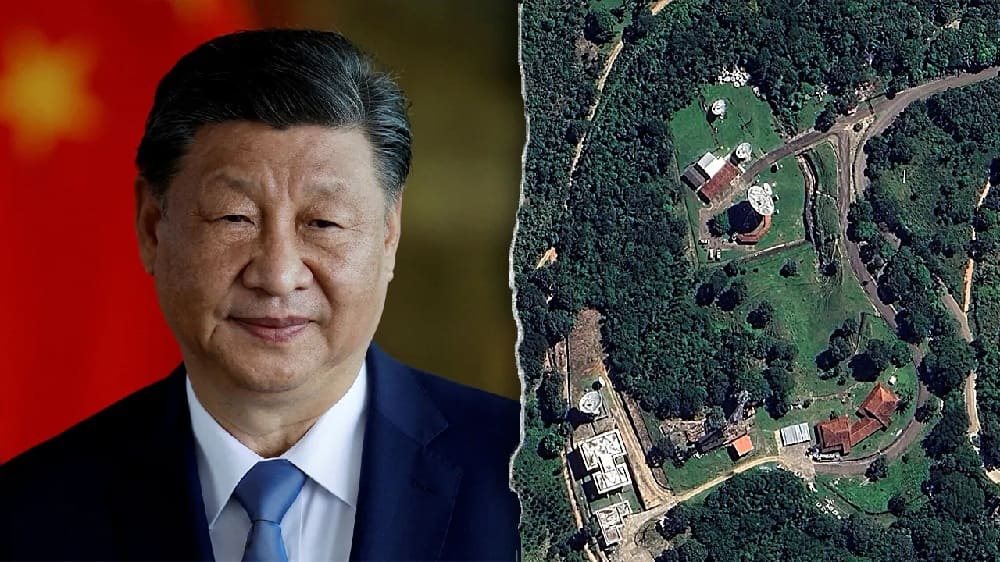
In Washington, China’s space footprint in Latin America is coming under increased scrutiny. Beijing now has access to at least 11 PRC-affiliated space facilities in Argentina, Venezuela, Bolivia, Chile, and Brazil, according to a House Select Committee investigation. Legislators argue that these locations, despite their civilian appearance, could potentially serve military surveillance and future combat operations.
Capability, not rhetoric, is the basis for that concern. Ground stations, radio telescopes, and satellite laser ranging sites can support satellite tracking, data relay, and broader space domain awareness. Thus, if connected to military users, the same network that supports research can also improve operational sensing. According to the committee, this aligns with China’s military-civil fusion model, which frequently overlaps civilian and strategic roles.
Why China’s Space Push Matters
The Pentagon’s report on China’s military power in 2025 backs up the warning. It says that Latin America and the Caribbean have the most Chinese space infrastructure outside of China. It also says that this growing network almost certainly improves Chinese space-domain surveillance, even when it comes to U.S. military space assets across the hemisphere.
Geography plays a big role in that argument. China can’t build a truly global tracking system from the mainland alone because it needs ground facilities that are far apart to cover the whole orbit. Sites in South America help fill in coverage gaps, make things more consistent, and provide China a better view of the Southern Hemisphere. That’s why even a small number of regional facilities can have a big impact on things other than their physical presence.
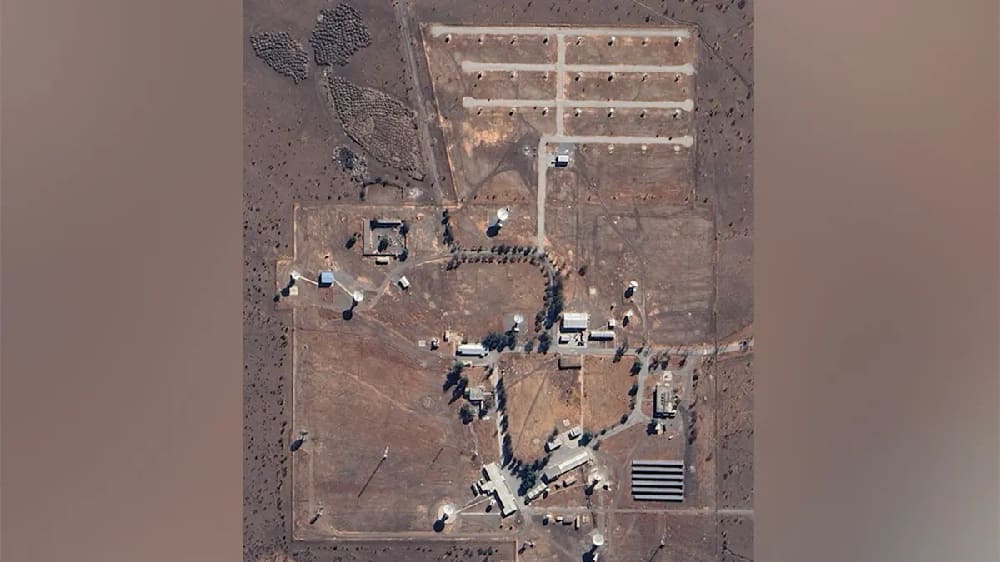
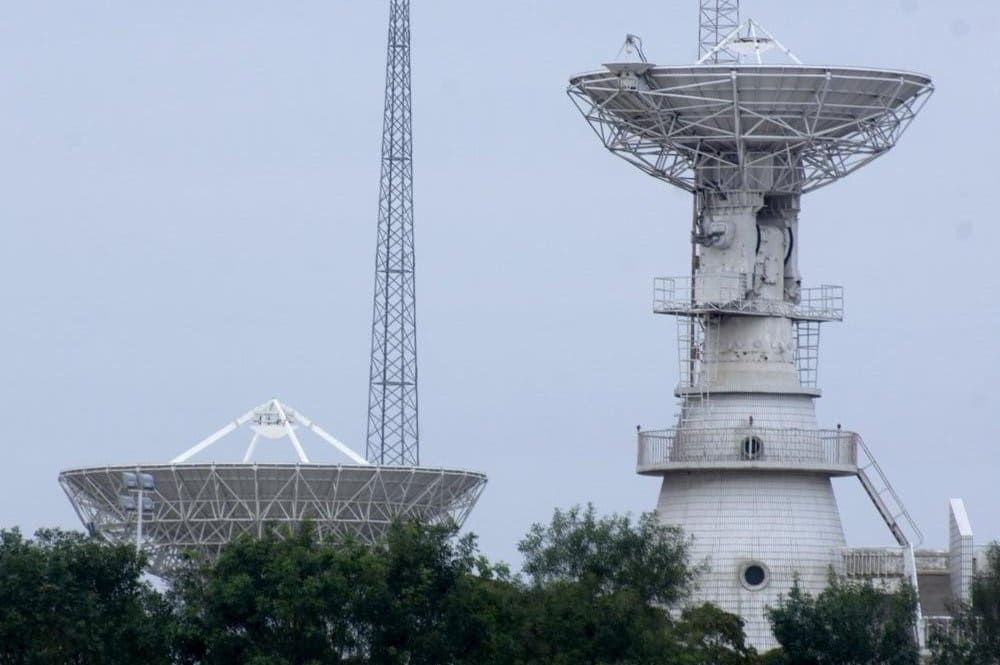
That makes the Neuquén site in Argentina the most important symbol in this argument. The Espacio Lejano station has a 50-year lease and uses a 35-meter antenna to track and send missions to deep space. Beijing calls it a civilian research center that is connected to exploring the moon and other parts of space. Critics, on the other hand, say that weak transparency and limited oversight leave too many questions about access, tasks, and data use unanswered.
Why Oversight Matters
The disagreement is about more than just hardware; it’s about oversight. The House committee demands that host countries guarantee the non-use of advertised civilian sites for illegal military or intelligence activities. That matters because vague agreements can lead to strategic dependence over time.
Earlier reports help us understand why Neuquén keeps coming back. CSIS said that the agreement around the station made it very hard for Argentina to interfere. Reuters, on the other hand, said that there had been years of political unrest in Buenos Aires over how many local inspection rights there were. Even without public proof of hostile use, its opacity is enough to make people suspicious.
The report also uses satellite images, reports from the public, and Chinese planning documents. These papers show that Beijing sees space cooperation as an important part of its ties with Latin America. In April 2024, China hosted the first China–Latin American and Caribbean States Space Cooperation Forum in Wuhan. This event showed that regional space partnerships are now part of a larger political and strategic agenda.
Beijing Rejects U.S. Claims
China denies that its work in space in Latin America is a cover for military purposes. Liu Pengyu, a spokesman for the Chinese embassy, said that working together has led to improvements in communications satellites, remote sensing, and deep-space ground station networks. He said that these projects help with development, connectivity, disaster prevention, agriculture, and responding to climate change instead of fighting over politics.
That answer will please governments that want to attract investment without taking sides. But it doesn’t solve the problem of dual use. If the operator controls the architecture, data pathways, and technical standards around a facility, it can support disaster monitoring and still help with military sensing or command support.
The same House committee cites Chile as an example, where the Trump administration reportedly put a proposed Chinese space-related expansion on hold. Lawmakers say that the pause shows that diplomatic pressure can still affect the decisions of host governments that are considering Chinese infrastructure offers. To put it simply, this debate is turning into a contest of power as much as a contest of technology.
What Comes Next
The committee now wants a bigger look at U.S. policy. It tells federal agencies to look into deals that involve states that have Chinese-run facilities. It also wants NASA to look into whether any agreements could be against the Wolf Amendment, which limits NASA’s cooperation with China and Chinese-owned businesses.
For people who read defense, the main question is simple. Is China building a strong regional network that could help with surveillance, targeting support, and long-term strategy in the Western Hemisphere during a crisis? Washington is clearly worried about the risk.
For related reading on Defence News Today, see China Quantum Radar Claim — Hype vs Physics and Inside the U.S. Army’s ODIN Database. For primary-source context, review the Select Committee report and the Pentagon’s 2025 China military power report.
China’s Latin America space footprint is important because it combines science, infrastructure, and strategy into one package. That provides Beijing plausible deniability while still making it useful if tensions rise. Because of this, Latin American governments will have a harder time talking about sovereignty, and the US will continue to treat these facilities as more than just schools.
References
- https://www.foxnews.com/politics/china-expands-space-footprint-latin-america-raising-military-alarms-americas-backyard
- https://chinaselectcommittee.house.gov/media/reports/pulling-latin-america-into-china-s-orbit
- https://media.defense.gov/2025/Dec/23/2003849070/-1/-1/1/ANNUAL-REPORT-TO-CONGRESS-MILITARY-AND-SECURITY-DEVELOPMENTS-INVOLVING-THE-PEOPLES-REPUBLIC-OF-CHINA-2025.PDF
- https://www.reuters.com/graphics/SPACE-ARGENTINA-CHINA/010090CP0J4/index.html
About the Author