
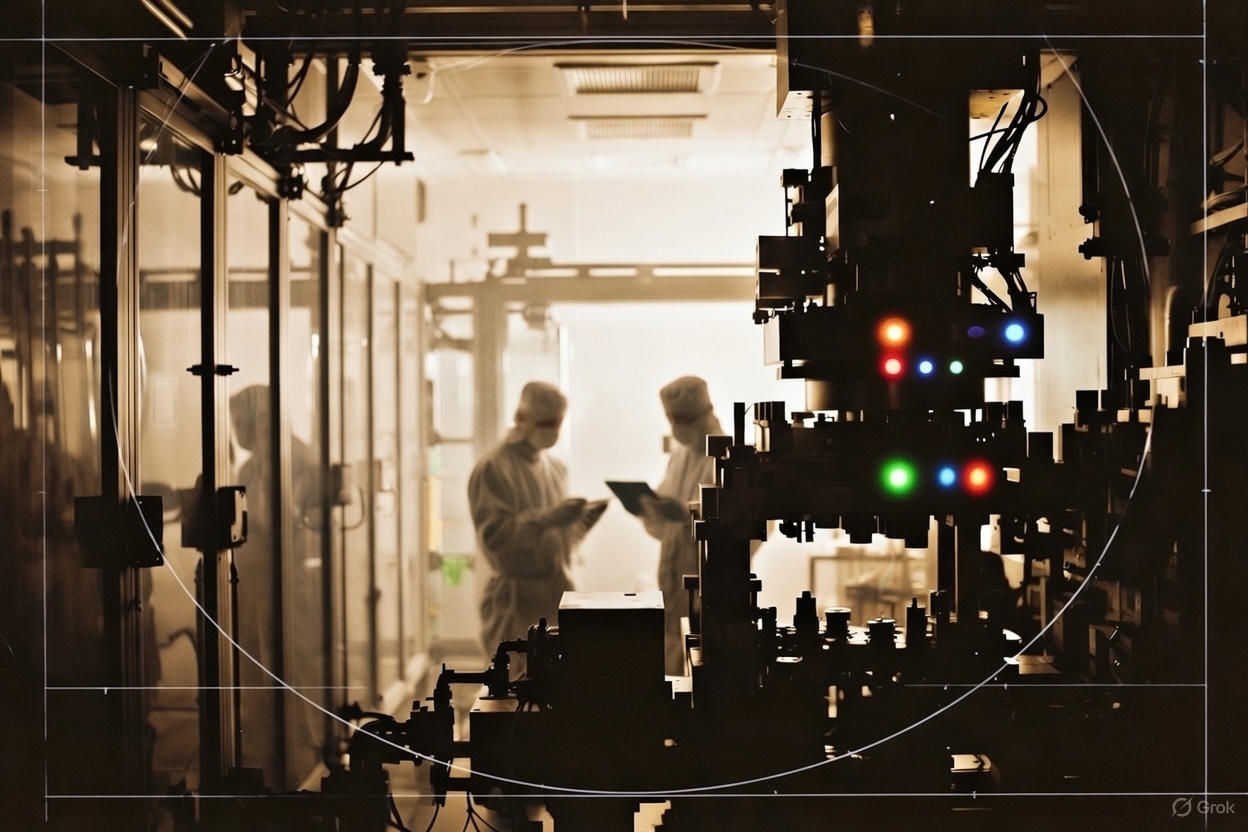
China EUV Lithography Machine — Strategic Breakthrough
Why EUV Is the Bottleneck
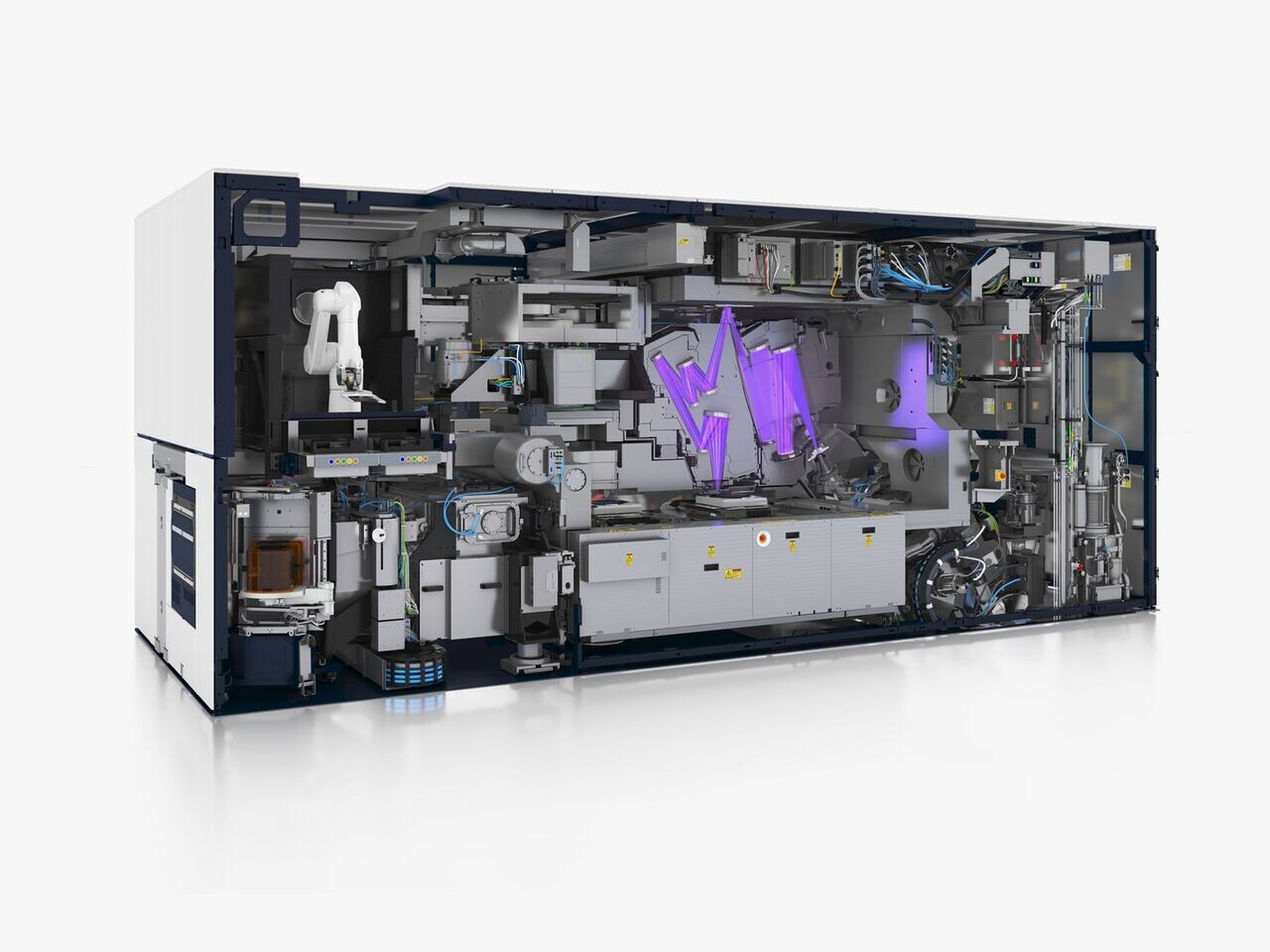
Modern chip power starts with pattern density. Therefore, advanced nodes rely on extreme-ultraviolet lithography to print tiny features at scale. EUV systems also sit at the center of a supply chain that mixes precision optics, vibration control, ultra-clean vacuum, and brutal calibration requirements.
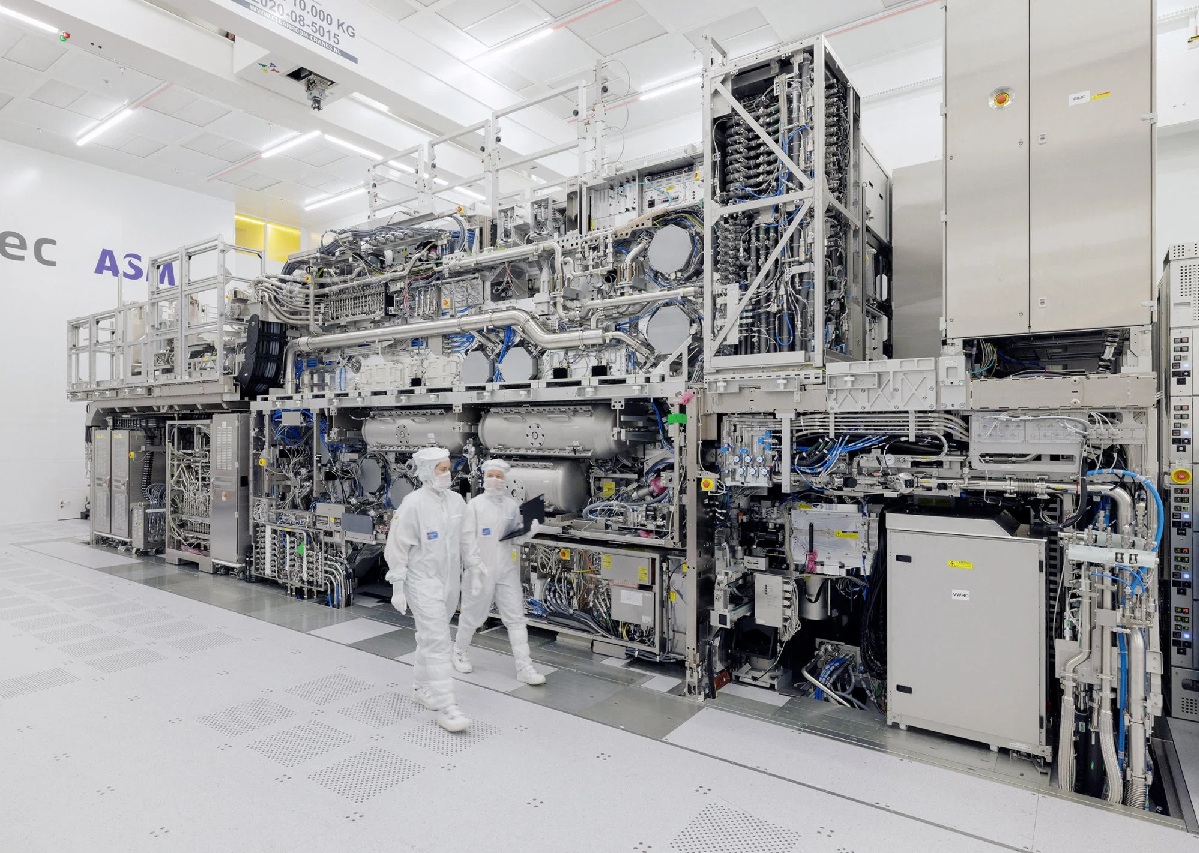
That is why ASML’s EUV toolchain became the bottleneck for cutting-edge chips. One machine can cost roughly $150–$250 million, depending on the model and configuration. Moreover, the tool’s complexity is extreme. Industry reporting commonly describes EUV platforms as built from 100,000+ components and a vast specialist supplier network.
What We Know About China’s EUV Push
Recent Reuters reporting says a high-security team in Shenzhen built a prototype EUV system that can generate EUV light, and it became operational in early 2025. However, the same reporting also says the prototype has not produced working chips yet. That detail matters. EUV is not “on/off.” You must hit overlay, focus, throughput, defectivity, and yield targets together.
In addition, independent analysts urge caution with headline claims about Chinese lithography “breakthroughs.” They stress that announcements can outpace manufacturable capability, especially when vendors still need production-grade reliability and repeatable output.
Timeline Reality Check
You mentioned Western expectations of “decades.” People often underestimate China’s capacity to throw money, talent, and state coordination at bottlenecks. Even so, Reuters-sourced reporting describes an internal goal of 2028, while sources suggest 2030 looks more plausible for working chips. So, the most defensible view today is simple: a prototype is a milestone, not a finished industrial capability.
Will Domestic EUV Cut Chip Costs?
Not automatically. Yes, localization can cut exposure to sanctions and reduce import frictions. It can also tighten learning loops for process engineers. However, the price of chips depends on more than the scanner:
- Yield drives cost per good die.
- Uptime and throughput drive factory economics.
- Resists, masks, inspection, and metrology can dominate bottlenecks at advanced nodes.
- Packaging and HBM supply can set the ceiling for AI accelerators.
In other words, a Chinese-made EUV platform could reduce strategic vulnerability first. Cost reductions might follow later, but they will hinge on yields and supply chain maturity, not the headline “machine exists.”
Why It Matters for AI and Defence Now
Compute is national power now. Therefore, any credible path to domestic advanced-node production supports:
- AI model training resilience during export shocks,
- secure chips for sensitive workloads,
- The aim is to prevent adversaries from gaining any leverage.
Reuters explicitly frames EUV access as central to chips used in AI, smartphones, and advanced weapons. Meanwhile, open analysis of China’s AI industrial policy still highlights bottlenecks from export controls on both chips and manufacturing equipment.
On the “Nvidia Ban” Claim
You argued that restricting Nvidia purchases proves China can already replace them. That’s not a safe inference. Reporting in 2025 has pointed to tighter Chinese guidance on Nvidia purchases in some contexts. At the same time, very recent reporting describes US policy shifts that may permit exports of specific Nvidia AI chips to China under licensing and political conditions. So the picture looks mixed: policy signalling, supply risk management, and export-control bargaining can drive “bans” even when domestic alternatives still lag.
Proof Points That Matter
Use a lengthy checklist. It keeps the analysis honest.
- Wafer results: do we see credible evidence of patterned wafers at advanced nodes in the reported tool?
- Overlay + CDU: can the system hold tight overlays and critical dimension uniformity across full wafers?
- Throughput: can it run at rates that make commercial fabs viable?
- Uptime and serviceability: can it sustain production without constant teardown?
- Optics supply: can domestic suppliers match the precision optics stack required for production-grade EUV?
- Ecosystem completeness: do metrology, inspection, masks, and resist scale alongside the scanner?
If those boxes start ticking, then the strategic shift becomes real.
Conclusion
When a country can print advanced chips at home, its defense planning changes overnight. A China EUV Lithography Machine would reduce the leverage of export controls and supply shocks. That, in turn, helps keep radar processors, EW modules, secure comms, and guidance electronics flowing in a crisis. It also shortens the upgrade cycle, because designers can test, tweak, and respin hardware faster.
Modern kill chains need edge compute that works every time, not just in peacetime. Still, the real payoff depends on yields, uptime, and high-volume throughput. Even so, a credible China EUV Lithography Machine program signals endurance—and resilience often determines military outcomes. For more stories and news like these, visit Defense News Today’s Cyber Security section
References
- https://www.reuters.com/world/china/how-china-built-its-manhattan-project-rival-west-ai-chips-2025-12-17/
- https://www.csis.org/blogs/strategic-technologies-blog/breakthroughs-or-boasts-assessing-recent-chinese-lithography
- https://www.datacenterknowledge.com/data-center-hardware/asml-ships-first-parts-of-new-high-end-machine-to-intel-us-plant
- https://www.aljazeera.com/economy/2025/9/17/china-bans-tech-firms-from-nvidia-chip-purchases-report
- https://www.asml.com/products/euv-lithography-systems
About the Author