
China AI Tracked B-2s Over Iran — SIGINT Warning
The claim that China AI followed B-2 bombers over Iran has gotten a lot of attention in defense circles. But the main question isn’t whether the B-2 suddenly appeared on radar. The debate is really about whether artificial intelligence, signal intelligence, and open-source fusion can reveal patterns in even the most secretive air operations. According to reports, Jingan Technology, which is based in Hangzhou, said that its “Jingqi” platform picked up radio signals from four B-2A Spirit bombers during the first phase of Operation Epic Fury on March 1, 2026.
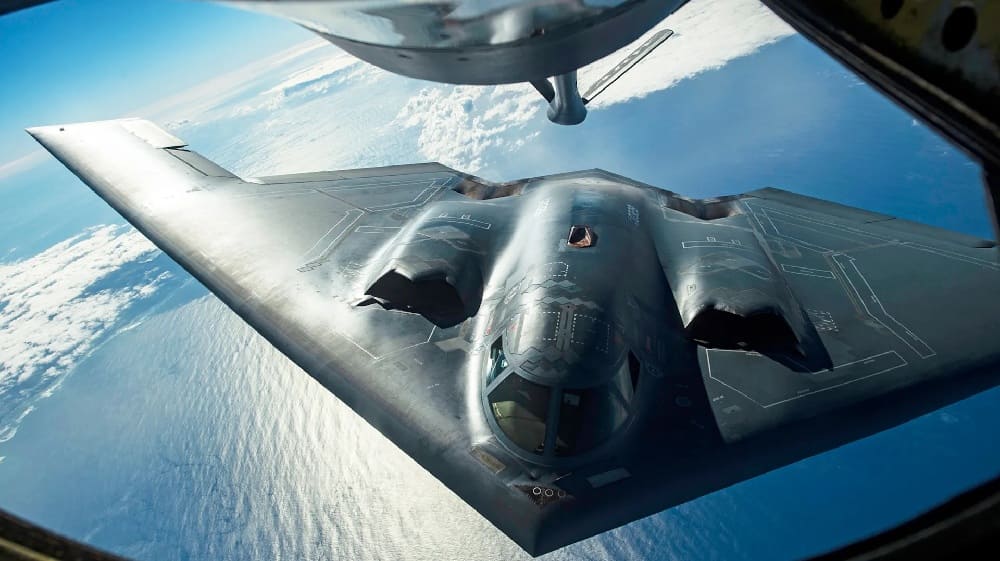
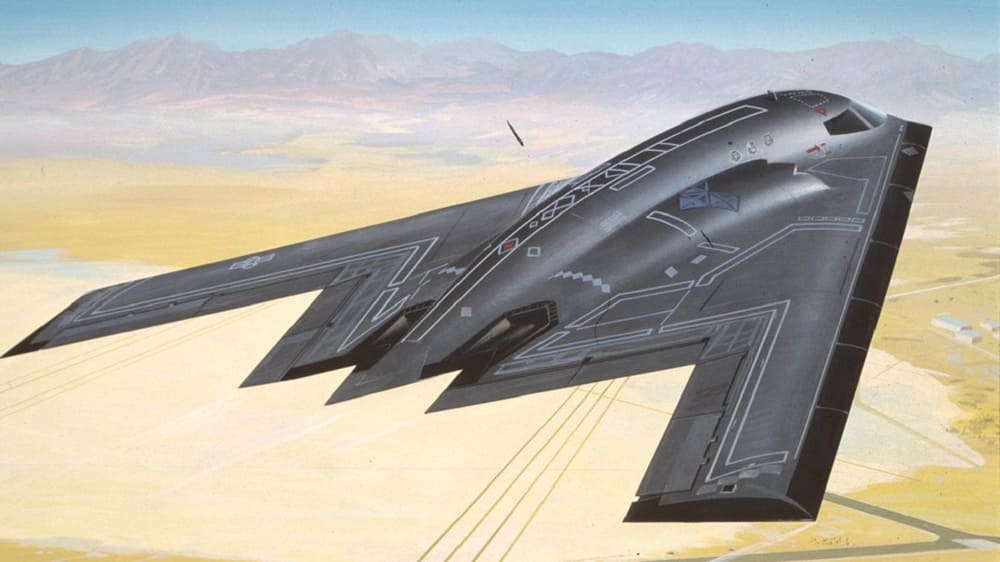
That difference is important. The B-2 was made to have a smaller radar cross-section and be able to fly through protected airspace. But stealth has never meant it’s invisible in all areas. If an aircraft, its support package, or its command chain sends out signals, a skilled listener may be able to pick up parts of the mission. So, the Chinese claim is less of a “stealth is dead” story and more of a warning that the modern battlefield is full of digital traces. The U.S. Air Force still calls the B-2 a bomber that can fly through heavily defended airspace. CENTCOM‘s public information also confirms that Operation Epic Fury is a large, ongoing campaign.
Jingan’s Claim
Public reports say that Jingan did not say it tracked the B-2 with regular radar. Instead, it said that its AI-powered Jingqi platform picked up radio traffic from planes using the call signs Petro 41 to Petro 44. The company also said that by putting together signals, movement indicators, satellite data, and open-source data, it was able to figure out the bombers’ return route and mission sequence. The company said the operation was a success in intelligence fusion, not a breakthrough in fire control.
That is a much stronger technical argument. One perfect sensor is no longer needed for modern military analysis. It often depends on bits of information from many different places. AI can help analysts connect timing, geography, communications, and flight behavior much faster than they could before. So, even small emissions can be useful when software connects them to bigger patterns of operation.
SIGINT vs Stealth
This area is where a lot of what people talk about goes wrong. Stealth makes it harder for radar to find things. It does not eliminate heat, logistics, tanker support, airborne networking, or any other communication related to a strike package. Therefore, if Jingan technology really did pick up radio waves, that would mean the B-2’s shaping or coatings worked. It would just show that signal intelligence is still important in a time when stealth is important.
That point also explains why the claim is still limited. The supposed detection did not stop, redirect, or engage the bombers, as there is no public proof to support this claim. Reports about the strike show that the mission hit its targets and ended successfully. So, the lesson from the operation is not as broad as the headlines make it seem. AI-assisted monitoring could make people more aware. But just being aware doesn’t mean you can disrupt or kill the chain.
Why Epic Fury Increased Detection Risk
Big air campaigns leave marks. Aircraft can fly under emissions control for some parts of the campaign, but support assets, refueling, routing logic, battle management, and post-strike communications still create patterns on a campaign scale. This phenomenon is especially true in a place like the Middle East, which receives a lot of attention. So, any talk about how China AI tracked B-2 bombers over Iran needs to include the whole picture of Operation Epic Fury, not just the bombers. For broader context, see your related internal coverage on Operation Epic Fury vs Operation Midnight Hammer and Iran War Tests Chinese Air Defense Claims.
This is another reason why AI is important. A human analyst might not notice weak signals that are spread out over many feeds. On the other hand, machine-learning tools can process large amounts of open-source intelligence, satellite images, flight data, public records, and intercepted transmissions. So, Jingan’s real message might be more strategic than tactical. China wants to show that it can build a system that makes it easier to see how U.S. troops move, even if it doesn’t have to match every American stealth platform.
Meaning for U.S. Airpower
The lesson for Washington is not to panic. It is discipline. The U.S. still has many advantages in stealth, long-range strikes, planning missions, supporting tankers, electronic warfare, and integrating combat. But enemies don’t need a single wonder radar to cause problems anymore. Instead, they can use a mix of data. So, in future bombing operations, controlling emissions, keeping communications safe, and lying will be even more important.
The announcement is also important politically for Beijing. Making these kinds of claims public helps support the idea that AI and data fusion can close the gap with better U.S. platforms. It indicates that things are getting better for military customers in the US. It also backs up the broader Chinese claim that the next wars will reward those who can connect sensors, software, and analysis faster than their competitors. But without independent verification, the report is still a claim of ability, not proof of a big jump.
Conclusion
“China AI Tracked B-2s Over Iran” sounds dramatic, but the real point is clearer. There is no public evidence that China used radar tracking to break into B-2 stealth. Instead, it suggests that AI-assisted signal intelligence might be able to put together parts of a stealth mission if there is enough data around it. That is unfortunate. But this statement does not mean that the B-2 cannot fly in contested airspace. The statement looks more like a warning about information warfare and operational security than a death notice for American air superiority.
References
- https://defensenewstoday.info/operation-epic-fury-vs-operation-midnight-hammer/
- https://defensenewstoday.info/iran-war-tests-chinese-air-defense-claims/
- https://www.centcom.mil/MEDIA/PRESS-RELEASES/Press-Release-View/Article/4418396/us-forces-launch-operation-epic-fury/
- https://www.scmp.com/news/china/science/article/3346200/chinese-firm-claims-it-intercepted-b-2-radio-signal-during-us-strike-iran
About the Author