
Cheongung-II Missile Defense Debut in UAE
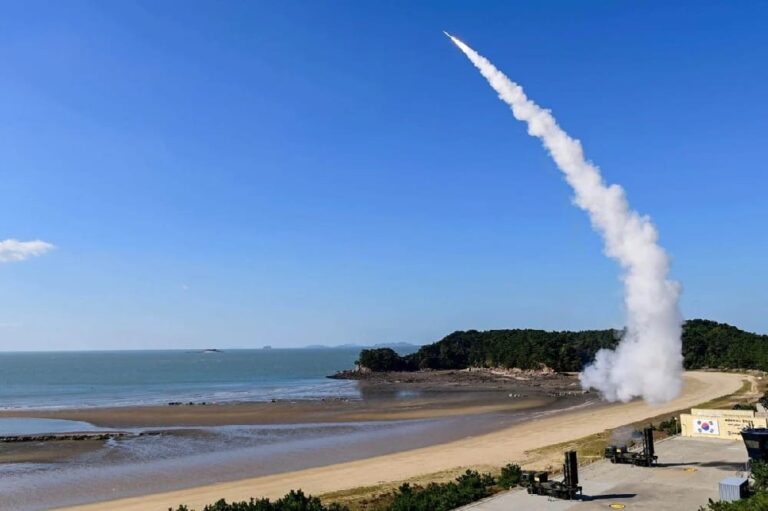
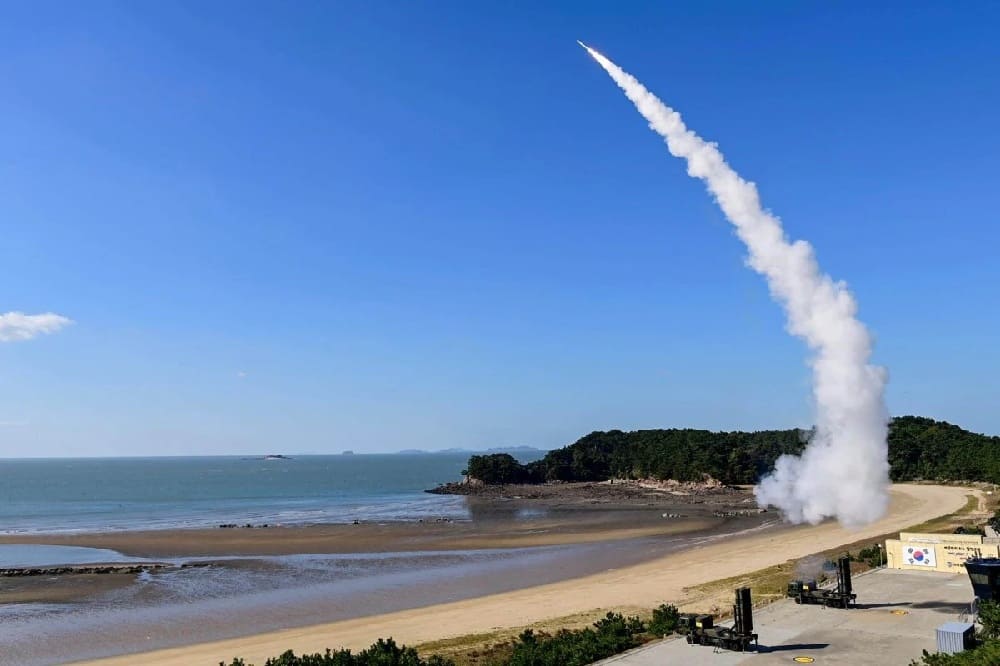
Korean media report that Cheongung-II in UAE has achieved its first known combat intercept, destroying an Iranian ballistic missile during the current regional crisis. That matters because it moves the South Korean system from test results and sales brochures into real operational use. It also gives Seoul a stronger export case as Gulf states work to tighten layered air and missile defense.
Why the intercept matters
The reported shoot-down is important for two reasons. First, it would mark the first overseas combat use of the Cheongung-II system. Second, it would show that the UAE’s investment in a mixed air-defense network is starting to pay off under pressure. According to The Korea Times, officials familiar with the matter said the deployed batteries helped intercept incoming attacks, while local reporting put the system’s success rate at up to 96 percent.
UAE Deal and Deployment
The UAE signed a roughly $3.5 billion deal in 2022 to buy 10 Cheongung-II batteries from LIG Nex1, Hanwha Systems and Hanwha Aerospace. At present, two batteries are deployed in the country, while the rest are still due for delivery. Moreover, Korean reporting says Abu Dhabi asked Seoul on March 5 to accelerate the remaining deliveries, or at least prioritise interceptor missiles if full battery delivery cannot be moved forward.
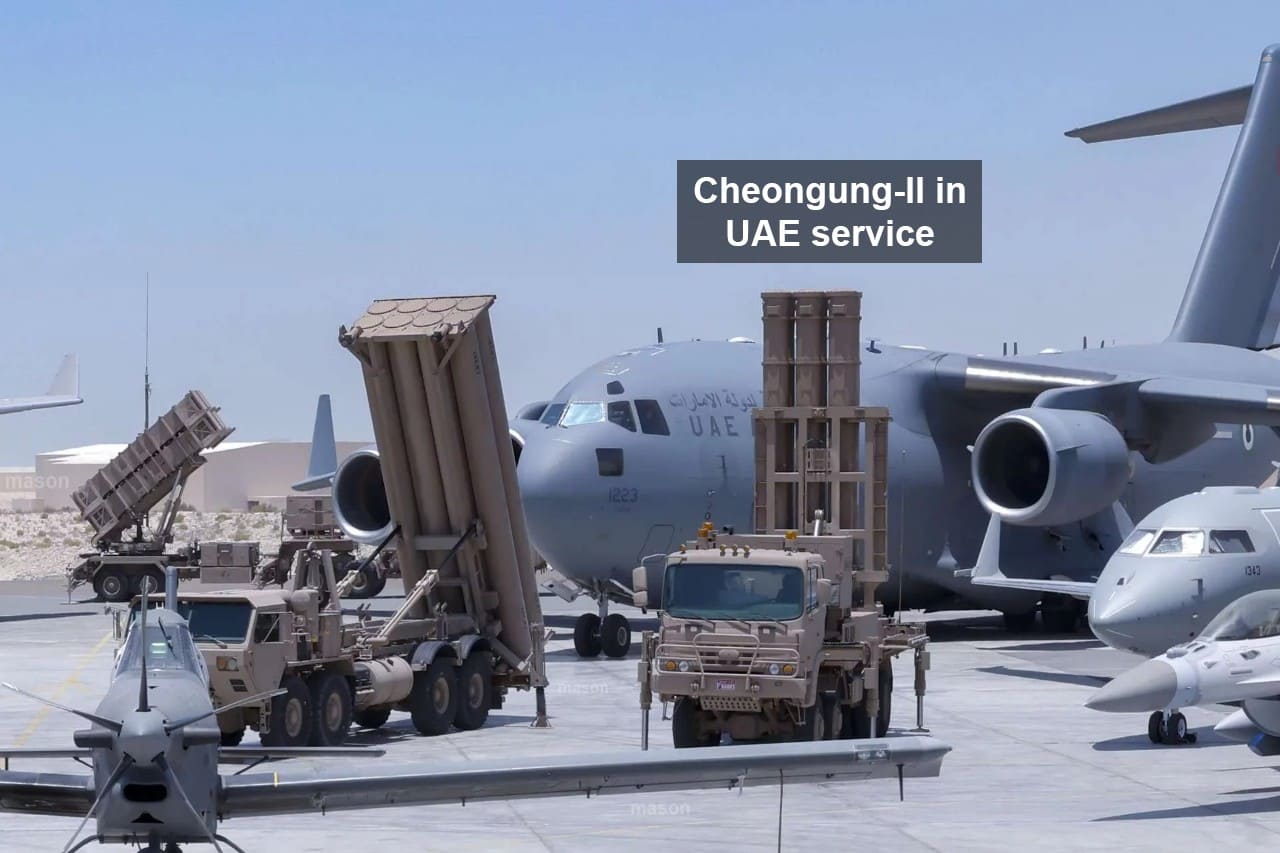
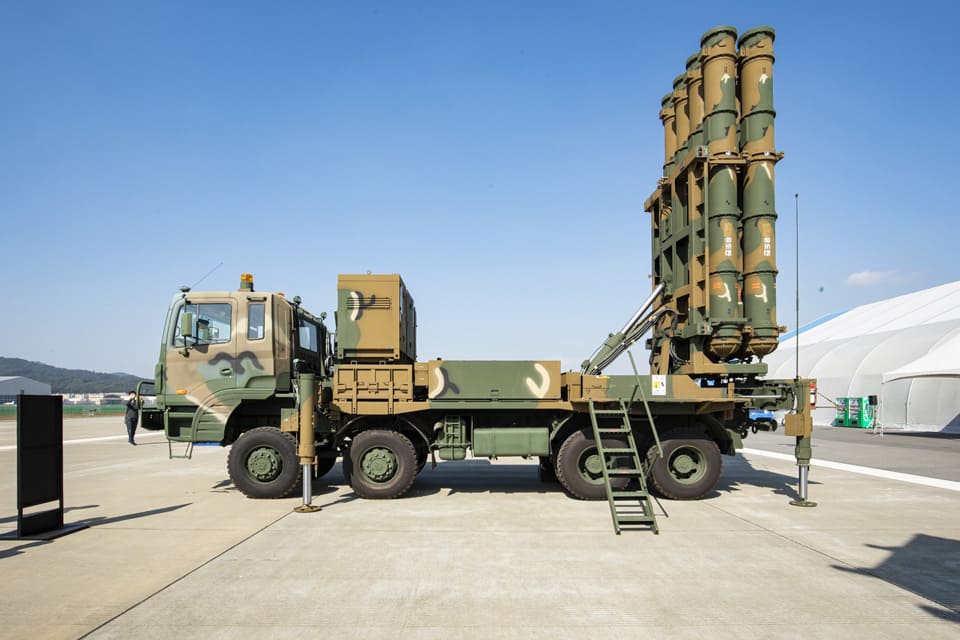
That request makes operational sense. Cheongung-II in UAE is no longer just a strategic purchase; it is now part of an active defense shield. The Korea Times reported that one battery includes four launchers, a radar and a fire-control center. The interceptor uses a hit-to-kill method, which means it destroys the target by direct impact rather than relying mainly on blast effects.
Cheongung-II’s Gulf Role
Cheongung-II sits in the medium-range layer. In practical terms, it is designed to engage aircraft and to intercept ballistic missile threats in their terminal phase. Therefore, it helps fill the space between higher-end systems and point-defense assets. That makes it especially useful in a region where missiles, drones and cruise missiles can arrive in mixed salvos.
South Korea has already turned that logic into exports. In 2024, Saudi Arabia agreed a $3.2 billion deal for 10 Cheongung M-SAM II batteries, according to Reuters. Iraq also signed for the system later in 2024. So, the reported combat debut of Cheongung-II in UAE could strengthen Seoul’s position further across the Middle East.
Regional Security Context
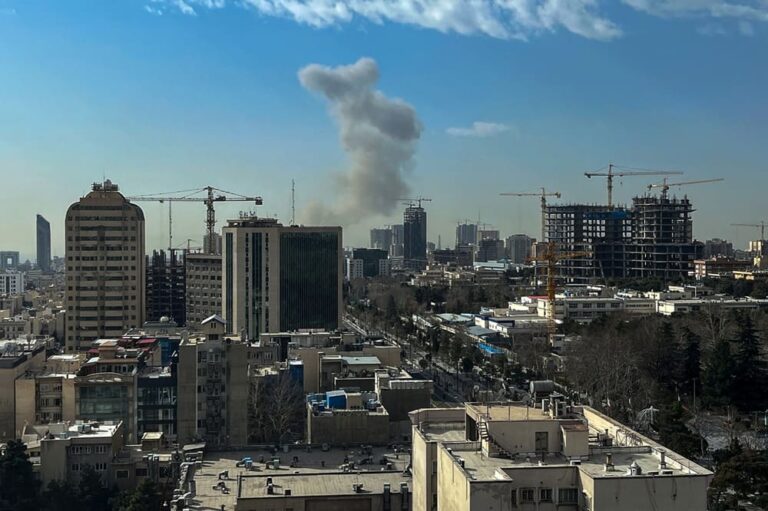
The intercept also fits a broader pattern. Iran’s missile and drone pressure is forcing Gulf partners to harden bases, stock interceptors and widen sensor coverage. France has also reinforced its regional posture; Reuters reported that President Emmanuel Macron said Rafale jets were among the assets being used to support Gulf allies under threat. That underlines how seriously partners now view the air and missile challenge.
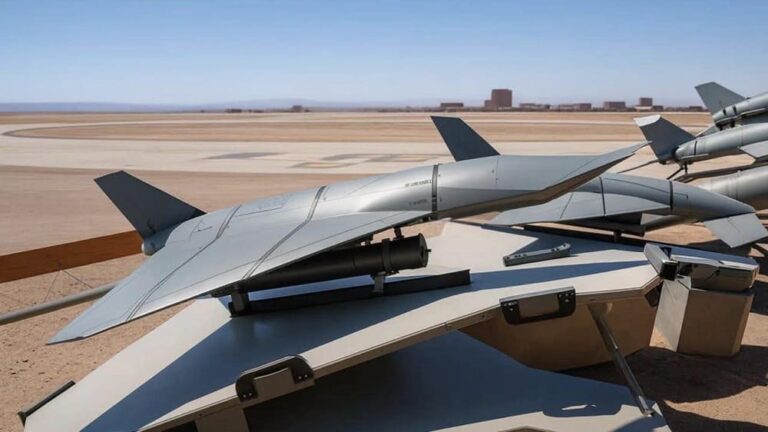
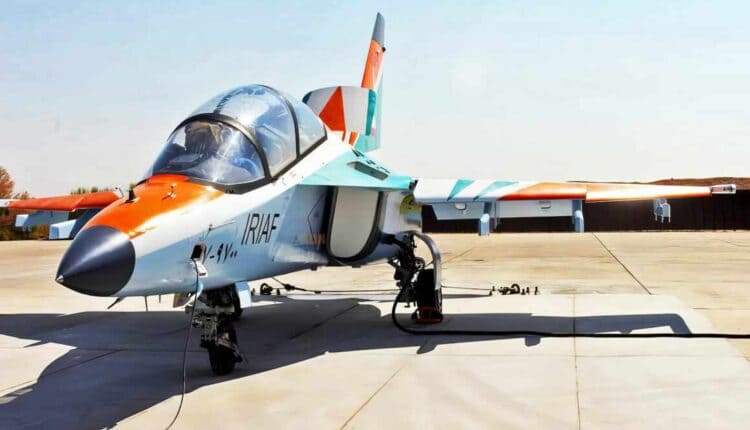
For more on the Iranian side of the threat environment, see Iran Yak-130 Patrols Over Tehran: Capability Check and IRGC Hadid-110 Drone: Iran’s Fast Stealth Threat.
Why It Matters
If the reported intercept holds up, Cheongung-II in UAE has crossed an important threshold. It is no longer only a promising export success. Instead, it is becoming a combat-tested part of Gulf air defense. That shift could influence future sales, delivery priorities and stockpile planning across a region that now expects real missile attacks, not abstract scenarios.
References
- The Korea Times — UAE seeks faster delivery of Korean air defense system after reported 96% hit rate
- Reuters — Saudis agree $3.2 bln deal to buy South Korean missile defence system
- Reuters — France sending aircraft carrier to Mediterranean, Macron says
- Defense News — South Korea inks largest arms export deal with UAE for missile interceptor
About the Author