
Canada TKMS Submarine Deal — Arctic Fleet Shift
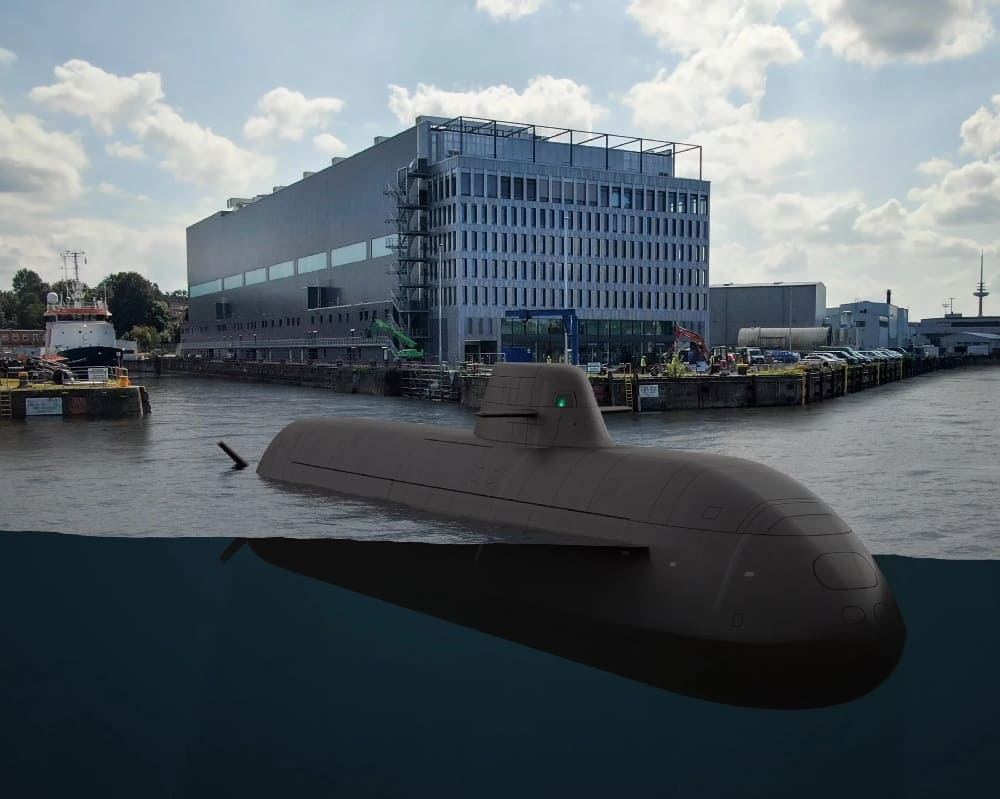
Canada has selected Germany’s Thyssenkrupp Marine Systems as the preferred bidder to build the country’s next fleet of submarines. Canada’s largest defense purchase is a deal for 12 conventionally-powered TKMS submarines from Germany. Prime Minister Mark Carney announced the plan Monday in Halifax, Nova Scotia, just before he was to leave for a NATO summit in Turkey. timing is everything. Canada has been under constant pressure from US President Donald Trump and other NATO allies to boost defense spending. Carney already raised spending to 2% of GDP and promised Canada would hit 5% by 2035.
Canada’s TKMS Deal and Arctic Security
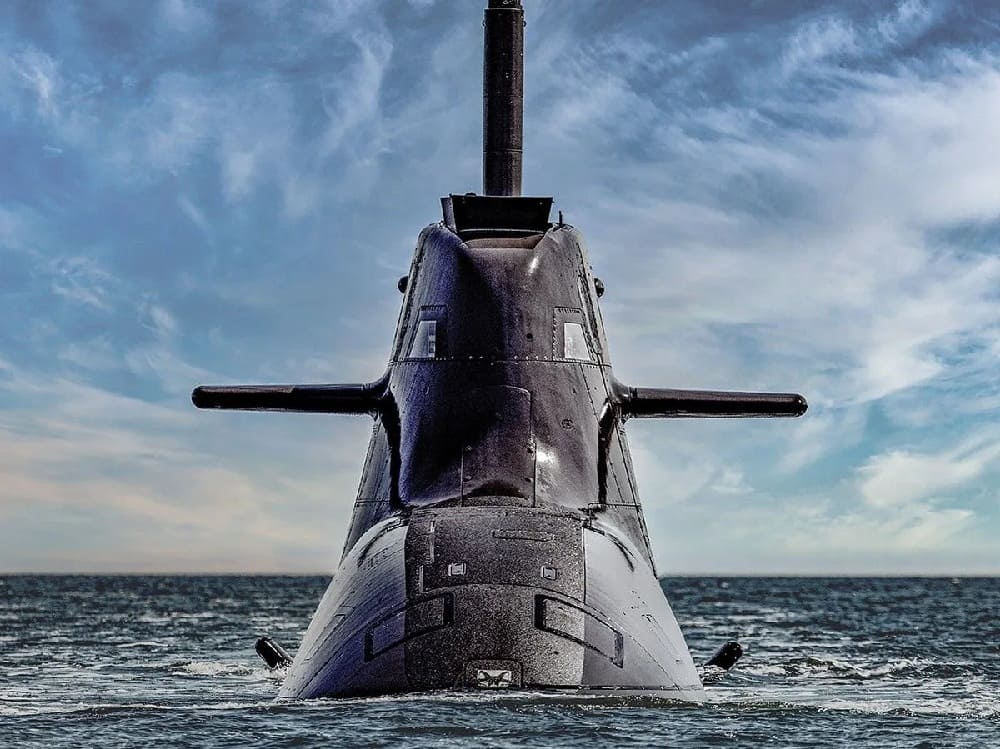
Canada’s TKMS sub deal is more than just a replacement programme. It is also a response to a changing maritime map. Canada has the world’s longest coastline, but its current submarine force has had some readiness problems. The government says only one submarine is seaworthy. That fact limits patrolling in the Atlantic, Pacific and Arctic approaches. At the same time, Arctic waters are warming, clearing pathways once protected by ice. That means Ottawa now views under-ice capability as key to sovereignty, surveillance and deterrence. The new submarines will replace the ageing Victoria-class submarines purchased by Canada in 1998. The government has not announced a final price but has called the project a multi-billion-dollar purchase. The deal could take months to negotiate with TKMS.
How TKMS Beat Hanwha Ocean
TKMS defeated South Korea’s Hanwha Ocean in the final round of the competition. The German company is considered the world’s largest non-nuclear submarine builder. The deal was also part of a joint venture with Norway, providing Canada access to an existing NATO-aligned submarine ecosystem. TKMS said its bid offered Canada a low-risk, economically transformative solution. The proposal includes joint maintenance and repair, training, logistics and operations. So it appears that Ottawa has been obsessing over acquiring platforms as much as it has been obsessing over long-term strategic fit. In July 2024 Canada said it was looking for a contractor for the new fleet. Carney said he would pick the winner in June to replace the Victoria-class boats. The final decision fell just short of that target, but the pace is still considered unusually fast for Canadian procurement, analysts say.
Defense Spending Meets Industry
Carney said the Canada TKMS submarine deal was an industrial deal rather than a naval procurement. He said the programme would develop Canadian industrial capacity. The political significance of that point is that large defence contracts often face scrutiny over jobs, technology transfer, and domestic participation. That helps Carney on the defense spending side, said David Perry, president of the Canadian Global Affairs Institute, who added that the move “buys him a lot of credibility”. By Canadian standards, Carney put the programme on an “astonishingly fast” timetable, he said. Perry also said the project leads to a significant increase in Canada’s core defense spending. The move also aids Carney’s broader effort to build stronger economic and security ties with Europe. That road has gained momentum as Canada grapples with trade tensions with the United States, its long-standing ally to the south.
RCN Operational Impact
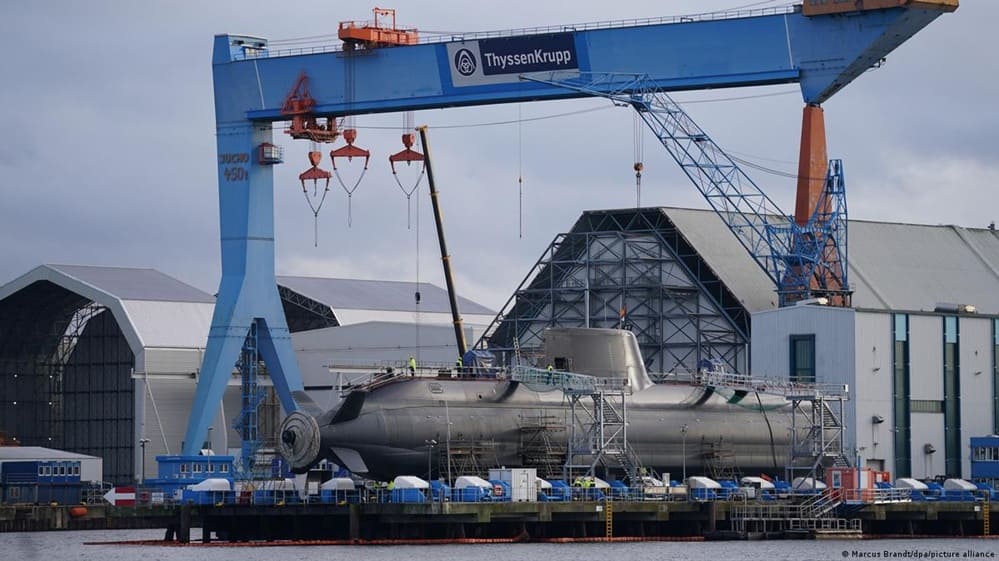
The Canada TKMS sub-deal could greatly boost Canada’s undersea presence. Perry said the new fleet should be able to reliably operate three submarines at any one time. The one that stands out is Canada, which has had an operational submarine for several years. The difference is practical. A small ageing fleet is not nearly as effective in rotation, training, maintenance and deployed patrols as a fleet of three boats. The under-ice capability also provides the Royal Canadian Navy with a more credible role in Arctic surveillance. Conventional submarines also satisfy Canada’s stated requirement. They eschew nuclear propulsion but retain stealth and the endurance and surveillance value in contested waters. “But the real test will be the delivery schedule, crewing, infrastructure and long-term sustainment.
Conclusion
The Canada TKMS submarine deal represents a major shift in Canadian naval policy. It improves NATO interoperability, increases ties with Germany and Norway and provides Ottawa with a better way to defend the Arctic. But selection isn’t a contract signing. “Canada and TKMS still have to work out cost, schedule, industrial workshare and support arrangements. Until that process is complete, the programme remains a preferred supplier decision and not a fully completed acquisition. However, at least the strategic direction is obvious. “Canada needs a larger, more reliable and Arctic-capable submarine fleet.” If done right, this procurement could transform the Royal Canadian Navy from a symbolic undersea presence to one of continuous maritime control.
References
- https://defensenewstoday.info/navy/
- https://defensenewstoday.info/north-america/
- https://www.pm.gc.ca/en/news/news-releases/2026/07/06/prime-minister-carney-announces-preferred-supplier-canadian-patrol
- https://www.reuters.com/world/canada-picks-germanys-tkms-build-12-new-submarines-globe-mail-reports-2026-07-06/
About the Author