
Cambridge Saudi Defense Deal Raises Rights Risks
The Cambridge Saudi defense deal has shifted from a quiet academic proposal to a serious test of governance. Cambridge Judge Business School has sought permission to explore a memorandum of understanding with the Saudi Arabian defense ministry. Proposal includes: leadership development, innovation management, executive education, healthcare administration support But even a civilian-only setup is strategically and ethically risky, critics inside the university say.
This is important because defense ministries are not just ordinary agencies. They are embedded in national security systems; they influence procurement cultures; they shape state capacity. And so a university that partners with such an institution runs the risk of reputational damage. It might also bring up issues of academic freedom, staff safety, and the line between civilian training and military governance.
Deal Scope
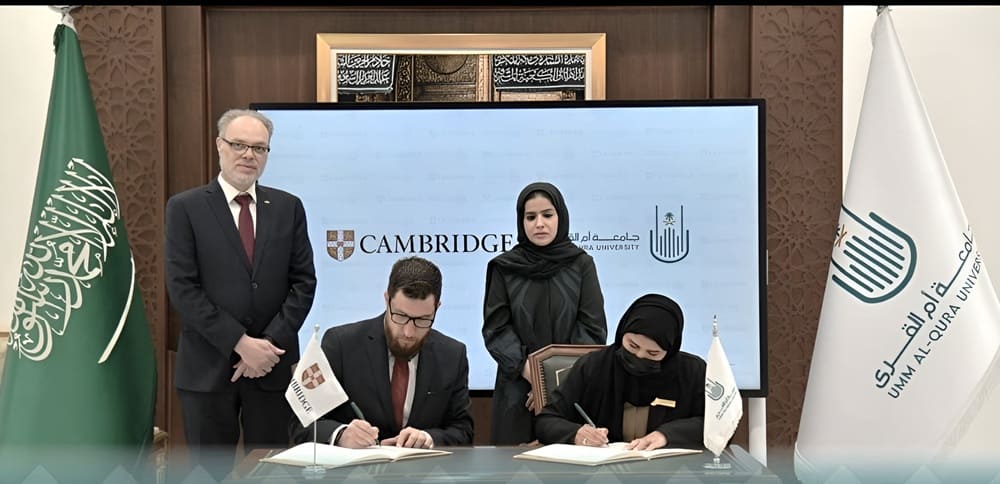
The proposed plan, as reported, would have the Judge Business School train the civilian administration of the Saudi defense ministry. The draft scope covers executive education, innovation management, leadership development, and healthcare administration strategies. Cambridge Judge says it has not signed MoU But the university’s internal benefactions committee voted in principle to approve the request, reports say.
That’s quite a difference. Normally a memorandum of understanding is not a final commercial contract. Rather, it sets out the framework for working together in the future. But an MoU can create opportunities in the defense sector. It can normalize engagement and result in paid contracts.
Academic Backlash
Senior academics objected because Cambridge’s own values center on freedom of thought, freedom of expression, and freedom from discrimination. They fear that a deal with Saudi Arabia’s defense bureaucracy could undermine those principles. The committee members also expressed concerns over human rights, climate policy, and the university’s ability to protect academic freedoms, the reports said.
It is not meaningless symbolism. Rights groups have strongly condemned Saudi Arabia for its use of the death penalty, its suppression of political dissent, and its legal system. Human Rights Watch’s 2026 report is again raising serious concerns, from death penalty cases to restrictions on basic freedoms. Critics say the Cambridge-Saudi defense deal is a test of whether elite universities can uphold their stated values when lucrative state-linked opportunities arise.
Defense Governance Risk
The work would be civilian administration, not combat operations, supporters say. That is something to consider. Modern defense ministries need effective managers, health services, logistics staff, and innovative structures. Effective administration can mean less waste and better accountability. In theory, professional education can be a support for reform.
However, the problem of governance in defense persists. The civilian administration within the still-operating defense ministry supports the broader defense institution. It can affect procurement, readiness, personnel systems, and organizational modernization. Thus, ‘civilian-only’ training can easily blur the distinction between civilian and military effectiveness.
UK Strategic Alignment
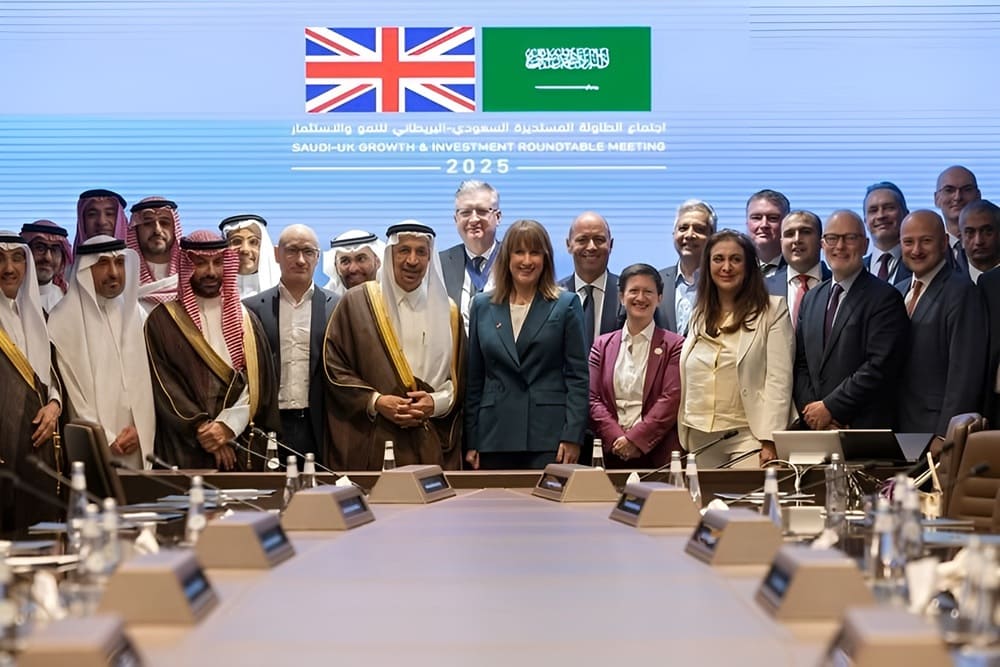
It was said to follow an initial introduction by the UK Ministry of Defense. The judge and officials also argued that the plan was in line with Cambridge’s public mission and the strategy of the UK government. The move puts a wider geopolitical dimension on the issue. Britain has had security ties with Gulf states like Saudi Arabia for some time. Universities, consultancies, and defense firms often exist within the same ecosystem of training, reform, and influence.
However, aligning with government policy does not remove the ethical risk. It could even increase the scrutiny. A university working in close proximity to defense policy will have to show more diligence than a normal commercial supplier. It should describe who benefits, what protection there is, and how staff can raise concerns without fear or pressure.
Money and Reputation Risk
Executive education is a big income earner for global business schools. Cambridge Judge’s 2026 Executive MBA fee is stated as £98,100 and its January 2027 Global Executive MBA £107,400 This commercial context matters because bespoke state training can be worth big money.
But reputation damage can outlive revenue loss. Controversial defense ministry partnership may spark student protests, faculty pushback, and donor concerns. It may also hinder future research collaborations with partners that require stringent human rights due diligence.
What to Watch Next
Defense watchers will want to monitor three issues. First, they should verify if Cambridge signs an MoU or directs future contracts through Saudi Arabia’s Institute of Public Administration. Second, they should verify whether the university has published safeguards regarding academic freedom, travel safety, and content control. Third, they should consider whether comparable UK university deals with foreign defense ministries are subject to greater scrutiny.
The Cambridge Saudi defense deal raises a broader question for the defense education market. Should universities view defense ministries as standard executive-education clients or hold them to a higher standard? For institutions with international reputations, the answer can’t be revenue alone.
Academic Due Diligence Test
The Cambridge Saudi defense deal is not an arms deal. It’s not a weapons program. Meanwhile, it remains in the delicate area between education, influence, and defense governance. Cambridge can argue that training managers helps to bring about reform. Some critics might argue that this form of engagement runs the risk of legitimizing a state apparatus with grave rights concerns.
Ultimately, transparency should decide the next step. If Cambridge goes ahead, it should publish the scope, safeguards, and review process before it signs any contract. If it does not, the university stands to transform a business-school opportunity into a damaging case study in reputational miscalculation.
References
- https://www.theguardian.com/education/2026/may/11/cambridge-university-judge-business-school-saudi-defence-ministry
- https://www.ipa.edu.sa/en
- https://my.gov.sa/en/agencies/17627
- https://www.bbc.com/news/articles/cg5m49j14pyo
About the Author