

US Military Base in Damascus?
What the reported move actually means
Multiple sources claim Washington is preparing a US military presence at Damascus airbase to underpin a US-brokered security understanding between Syria and Israel. If it were real, the plan would signal a hard pivot in Syria’s external alignment and embed the United States in a sensitive air hub near a proposed demilitarised zone. Syrian state media, however, has publicly denied the report, which keeps the story in the realm of claims rather than confirmed policy.
The reported objectives—and why they matter
According to the briefings, the presence would monitor ceasefire terms, enable surveillance, and support logistics and humanitarian operations. Proponents argue that a US military presence at Damascus airbase could deter spoilers, speed aid flows, and provide rapid verification of alleged violations. Critics counter that it risks mission creep, complicates sovereignty questions, and invites pushback from regional actors that view permanent Western footprints with suspicion.
The security architecture in play
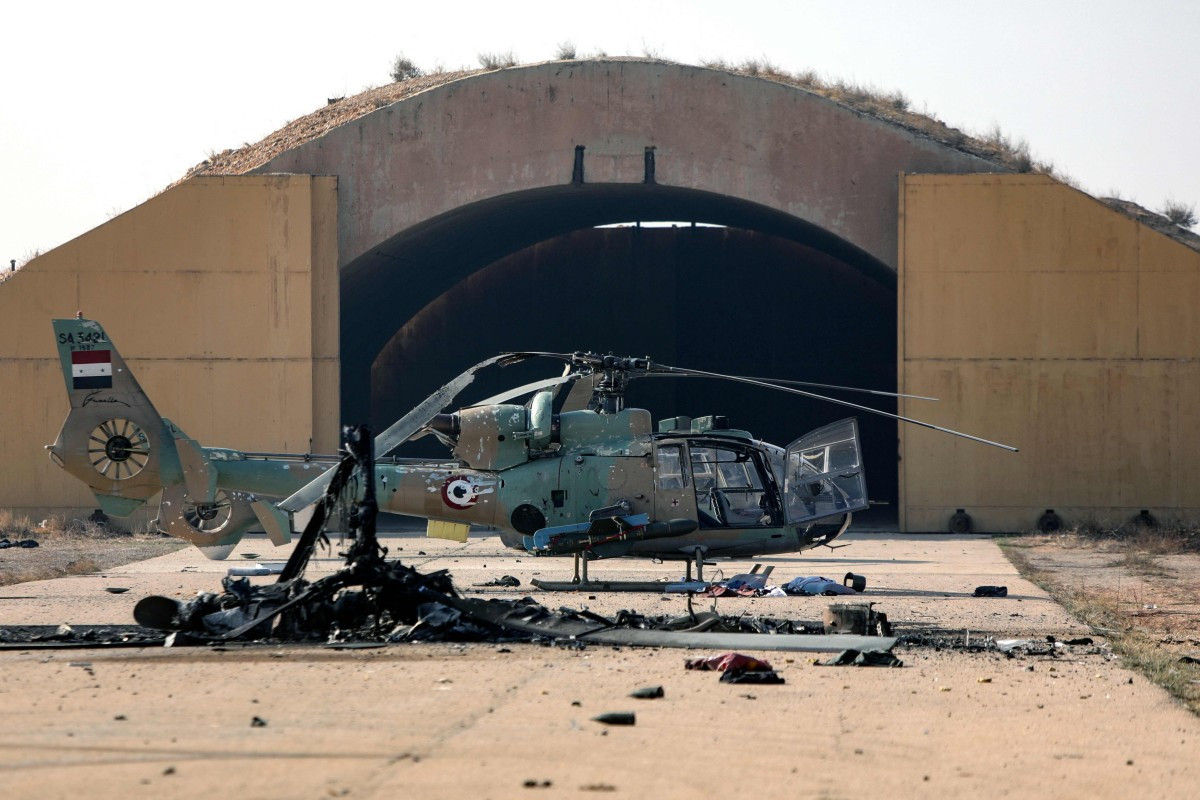
The alleged arrangement mirrors other monitoring footprints that support cessation-of-hostilities frameworks in the Levant. Theoretically, a small, mandated cell can serve as technical observers without the need for heavy force projection. Yet the US military presence at Damascus Air Base—if it materializes—will sit inside a capital that remains contested in terms of narrative, influence, and long-term reconstruction planning. Therefore, mandate creep and ambiguous red lines are the main hazards to watch.
Readiness, runways, and reconnaissance
Sources suggest US reconnaissance teams assessed runway readiness for transport aircraft and ISR platforms. Long-runway suitability implies C-130 class airlifters, light refuelling support, and sensor-carrying assets could cycle through with minimal ground works. Moreover, a logistics-first posture—fuel bladders, secure comms, sheltered parking—would match a verification mission rather than a strike role. Even so, any US military presence at Damascus airbase would need robust deconfliction channels to avoid mishaps with Syrian and allied aviation.
Sovereignty, command, and control
Syrian officials reportedly insist the state retains full sovereignty over the facility. On paper, that reduces political friction. In practice, sovereignty depends on who clears sorties, who tasks sensors, and who publishes compliance findings. If Washington controls tasking but Damascus controls airfield access, both sides must choreograph operations hour-to-hour. Otherwise, delays, mixed messaging, and operational gaps will accumulate.
Regional reactions: incentives and anxieties
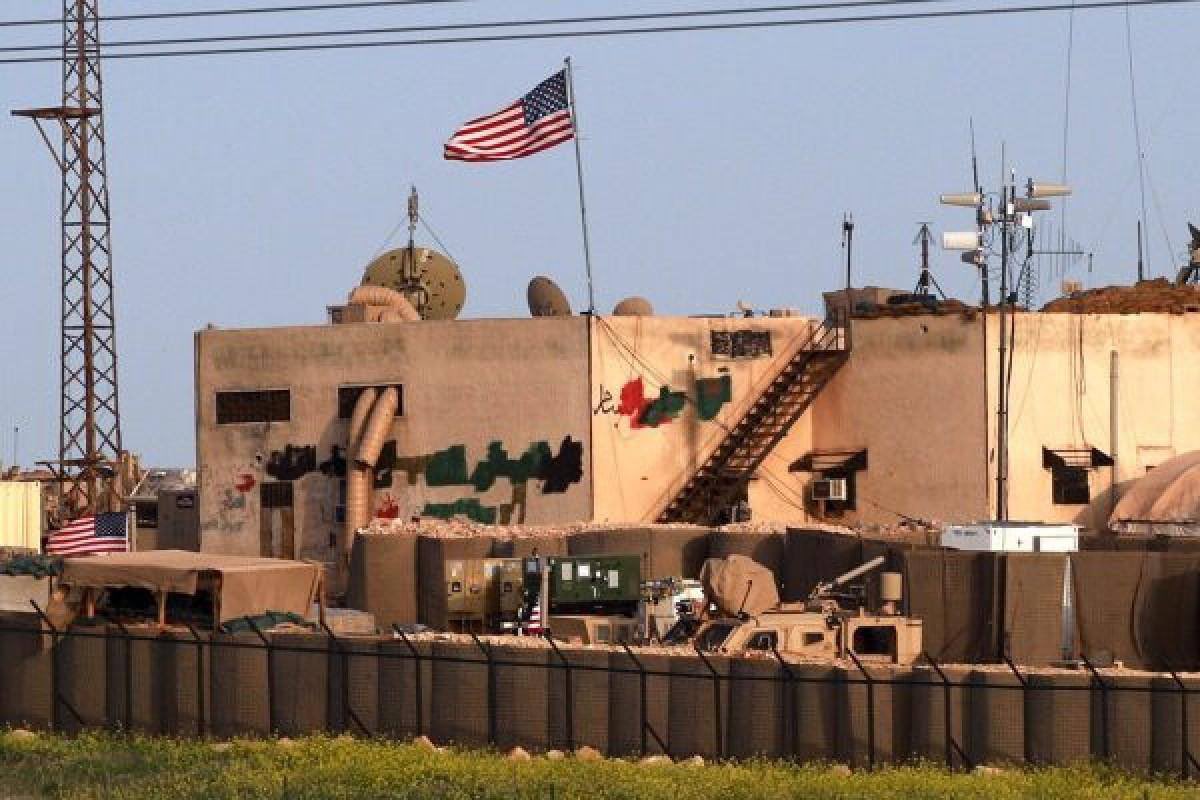
Israel would likely welcome verified buffers that cut cross-border friction. Yet adversaries can test such frameworks with deniable probes or airspace baiting. Iran-aligned groups may view the footprint as a wedge and increase pressure elsewhere. Conversely, Gulf participants might support a stable dividend if the arrangement reduces spillover. The bottom line: a minimalist US military presence at Damascus airbase could calm one front while stirring others, unless paired with wider diplomatic ballast.
Feasibility: what success would look like
Success looks modest: fewer escalatory incidents, better incident attribution, and faster humanitarian access across designated corridors. Metrics include A transparent deconflict with Syrian agencies would indicate approval for operations. Failure modes are clearer: mandate expansion without political cover, contested airfield access, and tit-for-tat tests that force posture upgrades beyond the original scope.
References
About the Author