
BrahMos Crisis: India’s Missile Output Halves
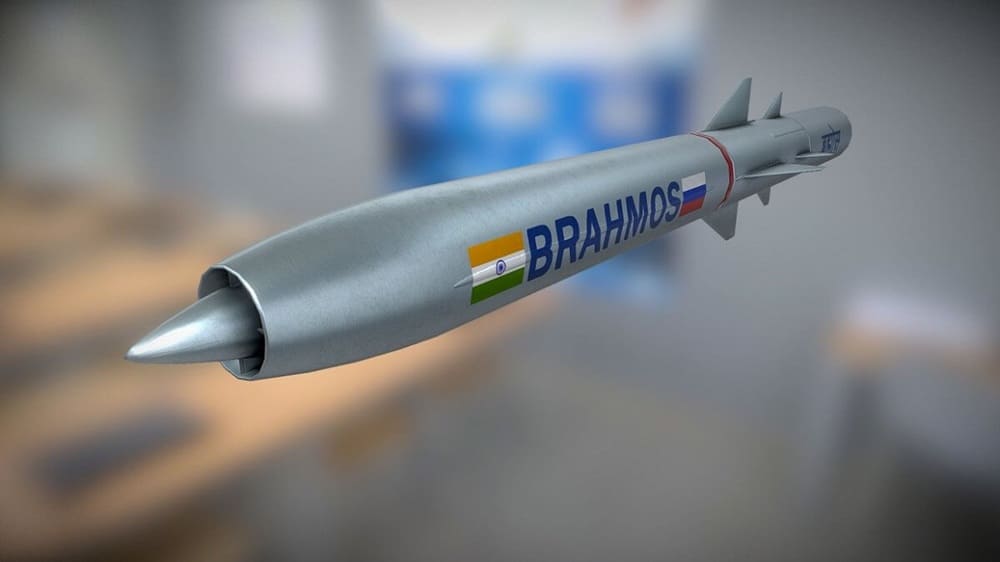
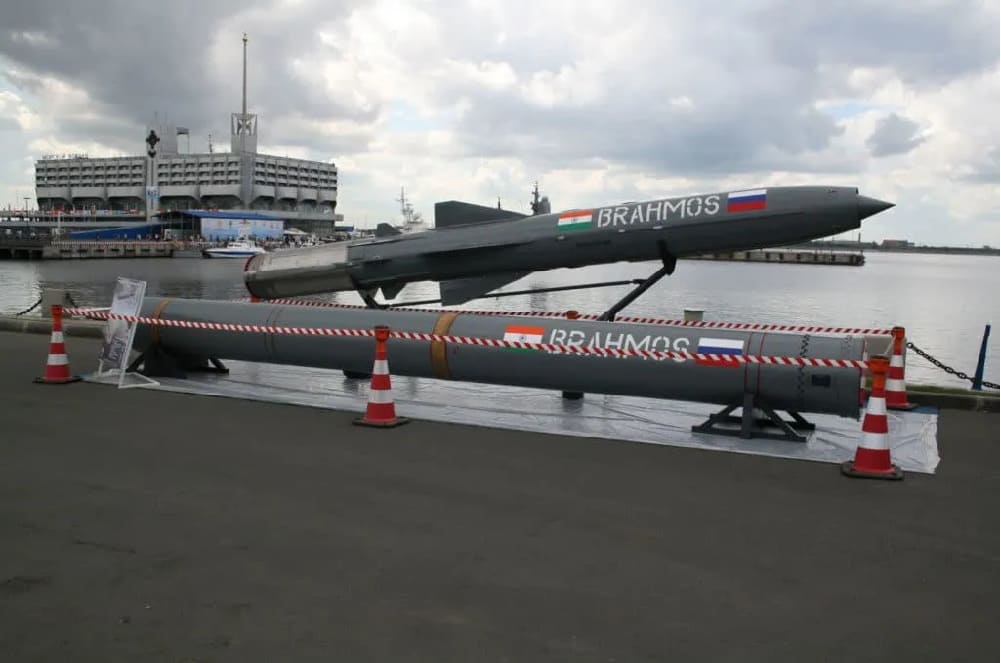
Delays in the production of BrahMos, which is based on Soviet Era P-800 Oniks (Yakhont), have raised serious questions about India’s missile supply chain, naval readiness, and defense-industrial planning. The matter is important because BrahMos is not a symbolic weapon. It is a front-line supersonic cruise missile, used by the Indian Navy for precision strikes against sea and land targets. Any disruption to production, therefore, has an immediate impact on combat readiness, training stocks, and future fleet integration.
BrahMos Aerospace’s output has fallen sharply in recent reports citing internal staff transfers that have weakened mature production lines. The figure has not yet been officially confirmed, but the report says production may have fallen by more than 50%. But the charge deserves attention because missile production depends heavily on skilled technicians, engineers, quality inspectors, and integration specialists.
Why the Delay is Problematic
The BrahMos missile adds a fast and powerful strike capability to Indian warships. It strengthens deterrence in the Indian Ocean and supports India’s wider push for indigenous defense manufacturing. But the advanced missile programs cannot be based only on factory buildings. They need experienced teams, stable suppliers, rigorous testing cycles, and disciplined assembly procedures. The report states that BrahMos transferred as many as 56 employees across its facilities.
They were master technicians, system engineers, senior technicians, assistant managers, senior system managers, executive officers, and senior executives. Many reportedly shifted from Hyderabad to Lucknow and Pilani, and others from Nagpur, New Delhi, and Lucknow. Sensitive production and integration work connects Hyderabad and Nagpur, which is important. Even if machinery and infrastructure are still available, output can be sluggish if experienced workers leave these lines too quickly. To make missiles, you need accuracy, repeatable processes, and an understanding of complex systems. “You can’t just replace that experience overnight with new teams.”
Expansion Created Pressure
India is looking to establish new BrahMos manufacturing facilities. That is a smart strategic decision. A bigger production network can improve resilience, boost annual output, and support export ambitions. But growth can also create short-term risk if talented staff leave before new facilities fully stabilize. This expansion is centered around Lucknow and Pilani. Lucknow has been developed as a major BrahMos integration and testing center under the Uttar Pradesh Defense Industrial Corridor.
Official information says the Lucknow facility was virtually inaugurated on May 11, 2025. By 18 October 2025, they had flagged off the first batch of missiles made there. The facility is said to have a capacity of some 100 missile systems a year. This capability could bolster India’s long-term missile base. But new production centers take time to mature. They need trained teams, trusted workflows, local supplier support, testing discipline, and repeated quality assurance. Older systems remain important until mature ones come of age. The reported disruption is due to a transition issue, not a production failure.
Indian Navy Orders Urgency
These delays matter more for the Indian Navy’s large BrahMos needs. In March 2024, the Ministry of Defense signed a contract worth ₹19,518.65 crore with BrahMos Aerospace for the purchase of missiles. It also bagged an order for shipborne BrahMos systems worth ₹988.07 crore. The deals show how important the missile still is to India’s naval strike plans. The Navy needs BrahMos missiles for operational deployment, training, reserve stocks, and integration with future warships.
This means that delays could impact more than just procurement schedules. They could affect readiness timelines, fleet modernization, and maritime deterrence planning. The worry sharpens as the Navy continues to confront a demanding regional environment. China’s naval expansion, Pakistan’s missile programs, and rising competition in the Indian Ocean make a reliable strike capability more significant. In that context, the BrahMos delays in production are not a routine administrative matter. It’s a preparedness problem.
BrahMos-NG
The BrahMos-NG adds another dimension to the story. This lighter, next-generation version could eventually equip more aircraft and perhaps offer wider export possibilities. It has been integrated with platforms like Tejas, MiG-29, and other future combat aircraft. But the timetable for testing has changed, and the formal progress has been more sluggish than many observers anticipated.
BrahMos-NG will also benefit from the same wider industrial ecosystem. Any workforce or integration stress in the current BrahMos production chain could put indirect pressure on the next-gen program as well. India can manage both tracks—but only if it improves program discipline and protects skilled labor.
Strategic importance for India
BrahMos production delays don’t indicate India’s missile program is collapsing. That would be an exaggeration. “India has invested in new facilities, signed large contracts, and built a strong missile brand around BrahMos. It remains one of the most capable weapons in India’s armory. But the disruption reported does highlight a real weakness. India often centers its defense industry on new factories, local manufacturing targets, and export announcements. But the manufacture of sophisticated weapons also depends heavily on human expertise.
Skilled workers, integration teams, testing crews, and quality-control specialists are the backbone of any missile program. If BrahMos Aerospace quickly stabilizes staffing and production flow, the delay may be only temporary. But if workforce gaps persist, naval deliveries could drag on longer. That would put pressure on India’s warship armament plans and undermine export confidence.
Conclusion
BrahMos production delays should be viewed as an industrial warning, not as a program failure. India has the infrastructure, contracts, and strategic demand to scale up production. But it needs to be more careful about moving people around and protecting its older production lines as it grows. The warning for defense observers is clear. Missile power is not just a function of its speed, range, and warhead performance. It also depends on whether the production system can deliver weapons on time, in scale, and under the pressure of operations.
References
- https://defencesecurityasia.com/en/india-brahmos-missile-production-collapse-navy-delivery-delays-2026/
- https://www.pib.gov.in/PressReleasePage.aspx? PRID=2010528
- https://www.pib.gov.in/PressReleasePage.aspx?PRID=2180675
- https://www.eurasiantimes.com/brahmos-ng-indias-next-gen-missile/
About the Author