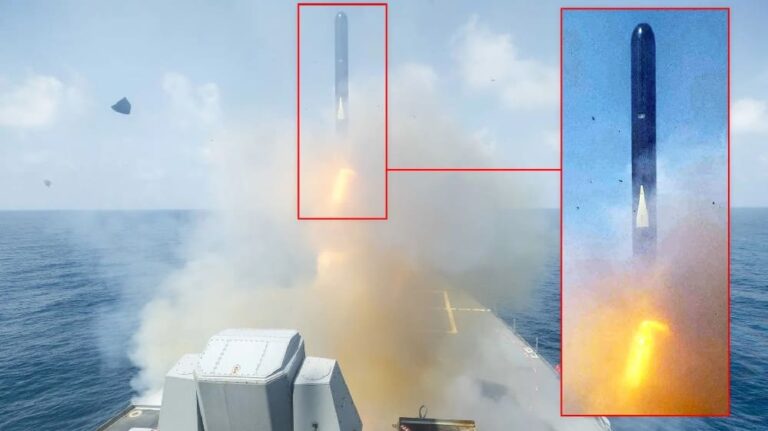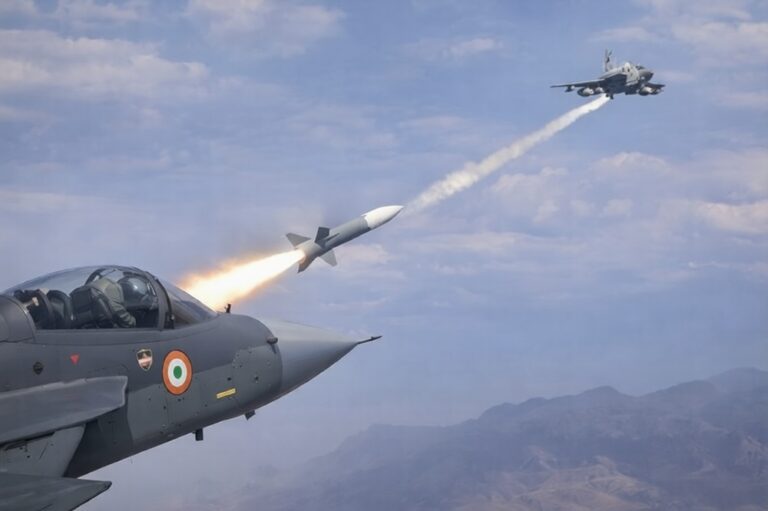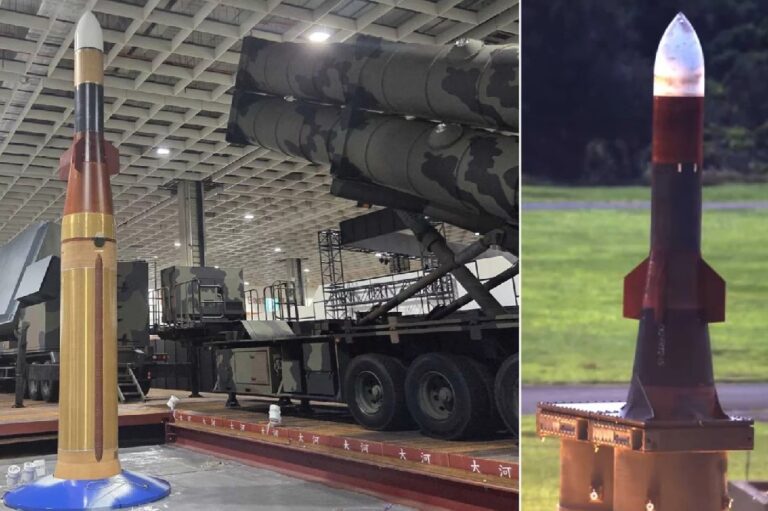

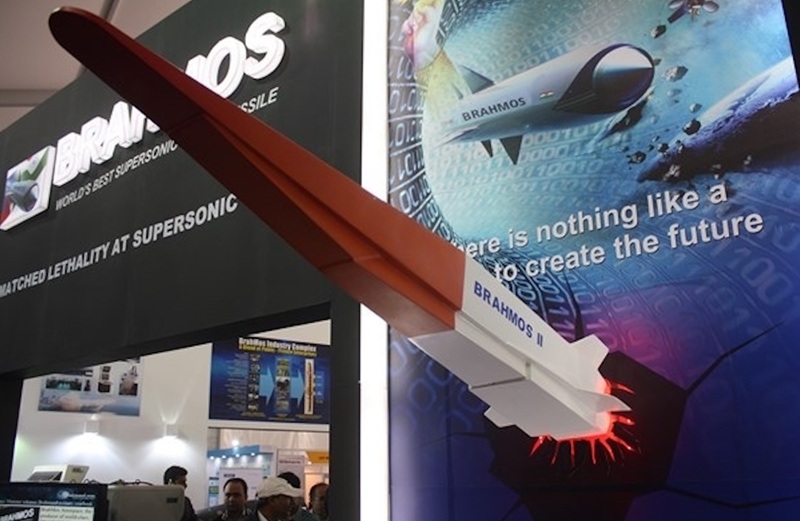
BrahMos-2 Scramjet Test — 12-Minute Breakthrough
Why the BrahMos-2 Test Matters
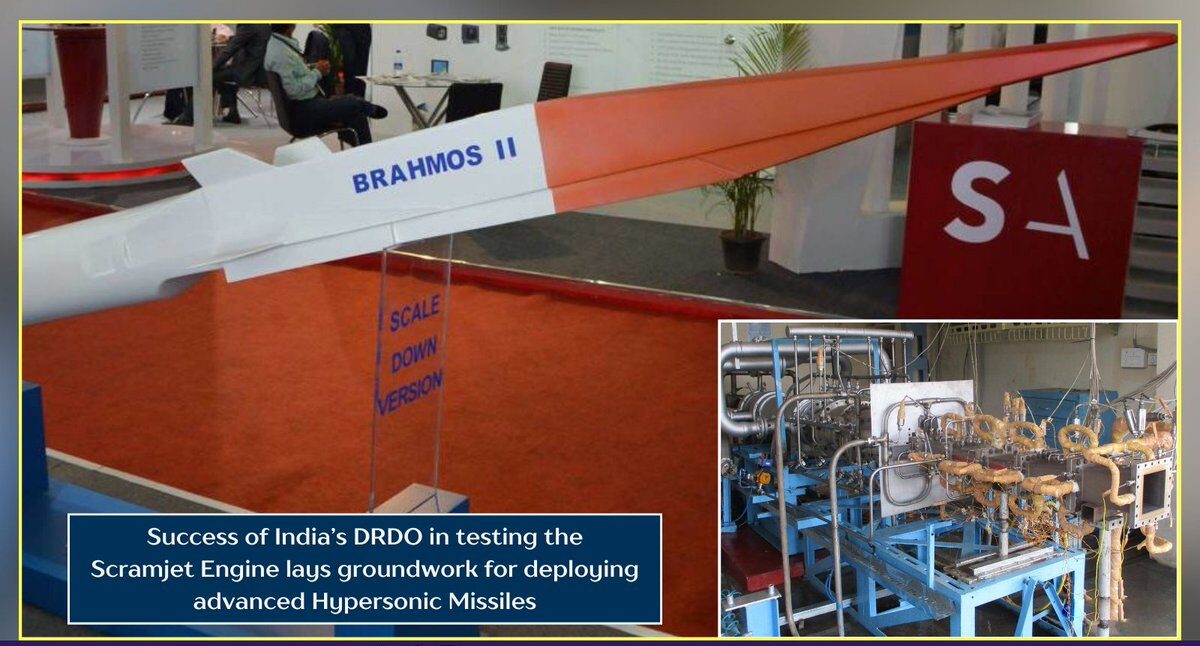
India’s hypersonic ambition depends on one hard requirement: sustained air-breathing propulsion at extreme speed. On 9 January 2026, DRDO’s Defence Research and Development Laboratory (DRDL) ran an actively cooled, full-scale scramjet combustor for over 12 minutes at its Scramjet Connect Pipe Test (SCPT) facility. That runtime matters because it shifts the conversation from “brief ignition” to “repeatable endurance.” Therefore, the test strengthens the engineering case for a future BrahMos-2-class hypersonic cruise missile, even if flight qualification still lies ahead.
DRDL’s Key Milestones
DRDL did not jump straight to a 12-minute run. Instead, it built the result through staged testing:
- 21 January 2025: first full-scale ground test, 120 seconds
- 25 April 2025: subscale actively cooled combustor test for over 1,000 seconds
- 9 January 2026: full-scale combustor run for over 12 minutes
Moreover, DRDO frames this work as a key milestone for hypersonic cruise missile propulsion readiness.
Scramjet vs Ramjet
A ramjet (the broad family used on many supersonic missiles) burns fuel with subsonic airflow inside the combustor. A scramjet, by contrast, keeps the airflow supersonic through combustion. That distinction is not academic. A scramjet enables sustained atmospheric flight at Mach 5+ without relying on a long boost phase. In simple terms, it is the propulsion pathway that turns “hypersonic for moments” into “hypersonic for minutes.”
How Hypersonic Cruise Missiles Challenge Defenses
Boost-glide systems reach hypersonic speed after a rocket loft and dive, often climbing very high first. However, that profile can increase detectability during boost and early glide. A scramjet-powered cruise missile can optimize altitude for the mission. It may climb higher for range efficiency, or it may stay lower for reduced radar horizons, depending on the design and target set. The key advantage is flexibility: the vehicle keeps producing thrust in-atmosphere rather than “coasting” unpowered.
Stable Combustion at Hypersonic Speed
Scramjets encounter a challenging situation: the fuel needs to ignite and maintain its flame while the air swiftly passes through the chamber. Engineers often compare this task to trying to ignite a match in a storm. DRDL’s scramjet combustor work points to flame-stabilization methods that sustain continuous combustion at airflow speeds above 1.5 km/s. That is a meaningful threshold because it suggests controllable burning rather than a short, fragile ignition event.
Active Cooling Enables Endurance
Endurance is where scramjets usually fail first. At hypersonic speed, heating rises rapidly, and metal margins disappear quickly. That is why DRDL’s “actively cooled” label is the headline. In actively cooled designs, fuel can flow through channels in the combustor walls before injection. The fuel absorbs heat, protects the structure, and then arrives hotter—so it can burn more readily.
This process is thermally efficient because the system recycles heat that would otherwise destroy the engine. The program also highlights endothermic fuel development with Indian industry. These fuels can absorb large heat loads through chemical reactions as they warm up. Consequently, they cool the structure and improve combustion behavior at the same time.
Hypersonic Airframe Challenges
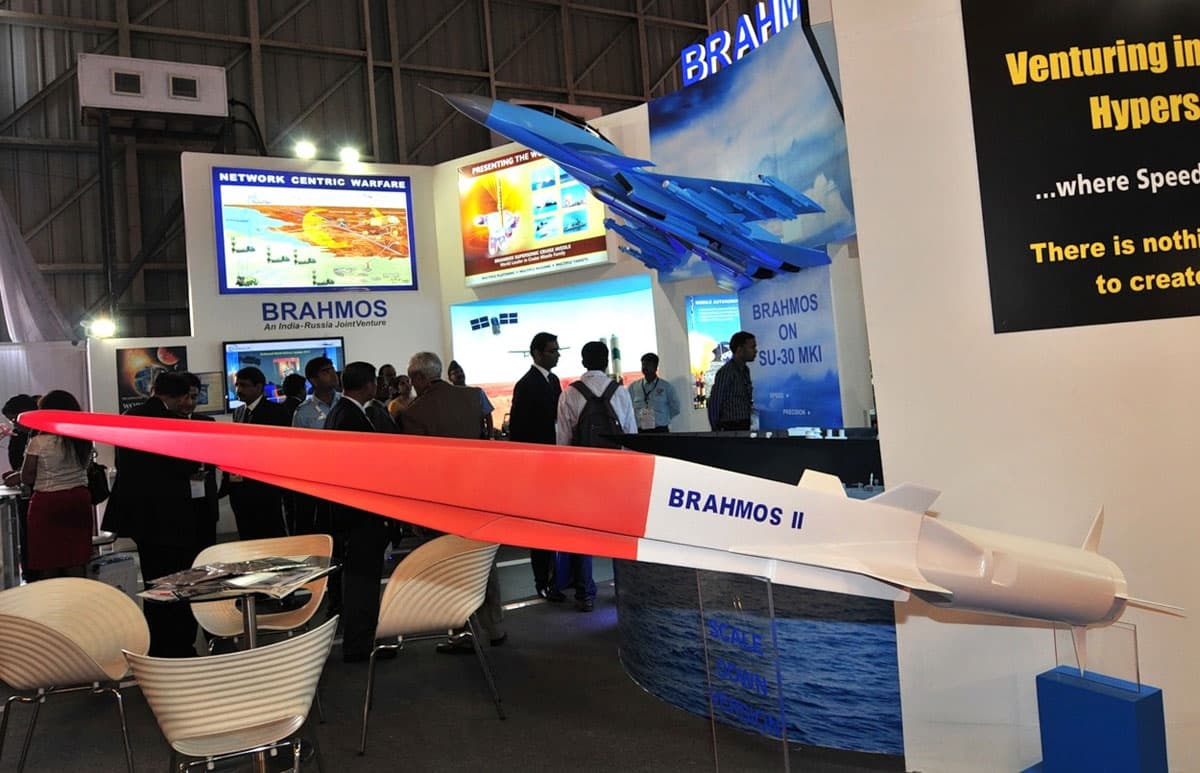
Scramjet thrust is merely a single component of the hypersonic puzzle. Sustained Mach 5+ flight creates:
- The airframe experiences intense thermal loads during sustained Mach 5+ flights.
- The aircraft faces challenging flight-control issues in the thin, high-altitude air.
- Potential plasma and RF effects can complicate communications and guidance.
Therefore, even with a strong ground-test history, achieving flight-worthy validation remains the ultimate requirement. A long-duration combustor run demonstrates that the engine’s core can survive and operate effectively. However, it does not yet prove full missile performance.
“India’s Zircon” Claim: Useful but Limited
Many observers label any emerging scramjet cruise missile as “India’s Zircon.” The comparison is tempting because Russia’s 3M22 Zircon is widely described as the only operational hypersonic cruise missile today, and it has been linked to strikes in Ukraine. Still, the better way to read India’s progress is through engineering maturity, not slogans. Scramjet development rewards steady, measurable gains: ignition stability, thermal management, repeatable endurance runs, and then controlled flight testing.
What’s Next for BrahMos-2
If you track the BrahMos-2 storyline, the next credible signals will likely include:
- Repeat long-duration runs across different conditions
- Integration work that turns a combustor into a complete propulsion module
- Flight tests that prove ignition, stability, and control in real atmosphere
If DRDL maintains this pace, India’s pathway to a scramjet-powered hypersonic cruise missile looks materially stronger than it did when HSTDV demonstrated only a short powered window.
References
- https://www.pib.gov.in/PressReleasePage.aspx?PRID=2213017&lang=1®=3
- https://m.economictimes.com/news/defence/drdo-conducts-long-duration-ground-test-of-scramjet-engine-for-hypersonic-missiles/articleshow/126438989.cms
- https://www.reuters.com/world/europe/russia-uses-zircon-hypersonic-missile-ukraine-first-time-researchers-say-2024-02-12/
- https://www.rusi.org/explore-our-research/publications/commentary/zircon-how-much-threat-does-russias-hypersonic-missile-pose
About the Author