

Azerbaijani Embassy Hit as Russia Targets Kyiv
Kyiv under fire
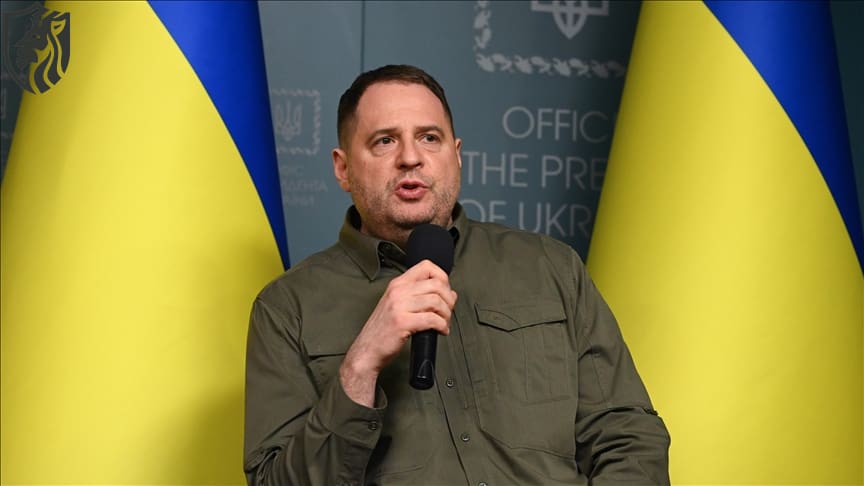
Russia targeted Kyiv in the latest overnight assault on Ukraine’s capital, hitting the Azerbaijani Embassy. What happened yesterday is no longer a hypothetical headline but a brutal reality. President Volodymyr Zelenskyy said debris from a Russian Iskander missile struck the embassy compound. The blast damaged diplomatic buildings and several official vehicles inside the compound.
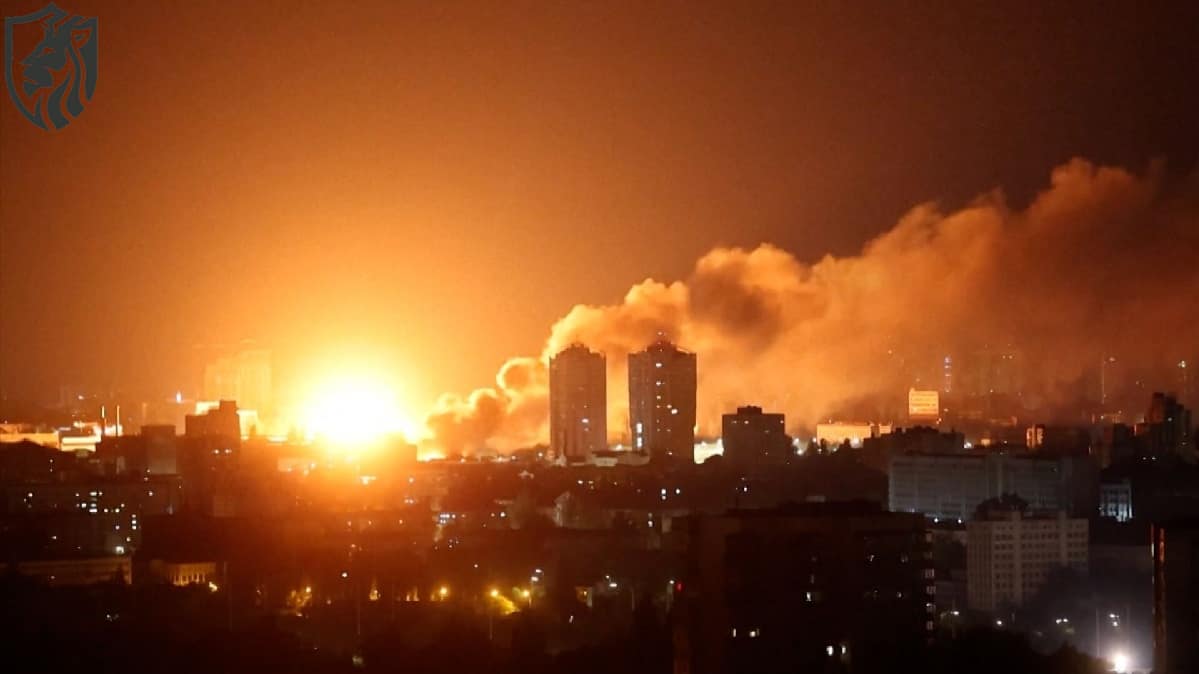
The strike came as part of a broader overnight Russian attack on Kyiv. Russia launched drones, cruise missiles, and ballistic missiles in the small hours of 13–14 November. Ukraine’s officials say Russia clearly tried to maximise damage to civilians and critical infrastructure. They describe Kyiv as the main focus of the entire strike package. For defence professionals, the message is stark and deeply unsettling. In Russia’s campaign against Ukraine’s cities, embassies now stand just meters from the killing zone.
Strike pattern: Banks of the Dnipro
The attack unfolded across both the right and left banks of Kyiv. Throughout the night, drones and missiles slammed into residential districts, triggering fires and blowing out windows for blocks around. Local authorities report that at least four people died and 27 were injured in the initial count, with numbers likely to rise as rescue work continues.
In Podil, a strike tore into a high-rise around the 15th floor; in Sviatoshyn, flames engulfed a 22-storey tower near the 19th floor. Emergency teams fought fires in several multi-storey buildings as debris fell onto courtyards and parked cars. More than 40 residents were pulled to safety, many of them disoriented, barefoot, and still in nightclothes.
Russia targeted the Azerbaijani Embassy in this neighbourhood, turning the incident into more than just a diplomatic crisis. The pattern of damage shows a city treated as a single, continuous target set—high-rises, schools, hospitals, and embassies alike. For Russian planners, the key variables are grid nodes, morale effects, and pressure on air defences—not classical front lines.

Azerbaijan’s red line
A ballistic missile fragment landing inside an embassy compound is a significant event in the nightly strike log. Azerbaijan has already summoned the Russian ambassador and lodged a formal protest, framing the incident as a serious breach of diplomatic inviolability.
No embassy perimeter wall is rated to withstand an Iskander impact; that was never in the architect’s design brief. However, for Baku, the symbolism is as important as the structural damage. The hit underscores that even nominally neutral or carefully balancing states cannot fully insulate their missions from Russia’s air campaign against Ukrainian cities.
For readers tracking Caucasus security, Azerbaijani Embassy hit as Russia targets The Azerbaijani Embassy in Kyiv also plays a role in Baku’s meticulous manoeuvres between Moscow, Kyiv, and Ankara. A damaged mission in Kyiv inevitably tightens the spotlight on how Azerbaijan calibrates its relations with Russia during wartime.
From Lviv to Kyiv
This strike does not sit in isolation. Earlier, Ukraine’s Security Service, the SBU, reported new evidence. It links senior Russian commanders to the missile strike on Lviv. Those attacks came during the night of 3–4 September 2024. The same operation also affected civilian buildings and neighbourhoods. It suggests a deliberate pattern of city attacks, not random mistakes. For analysts, this evidence matters because it changes how the war is framed. It moves the discussion from “tragic collateral damage” to “deliberate campaign design.”
Repeated strikes on embassies, schools, hospitals, and towers change the legal and strategic questions. Experts stop asking, “What went wrong with guidance systems?” Instead, they ask, “What is built into the targeting doctrine itself?” Readers who follow lengthy Ukrainian strikes will recognise this troubling pattern. They can compare it with Operation Spiderweb and other deep-strike efforts. Defence News Today has also covered Russian bomber losses and nuclear triad vulnerabilities.
Air-defence lessons
Militarily, the latest barrage again tests Kiev’s layered air defence network. Systems such as Patriot, IRIS-T, NASAMS, and older Soviet-era units must discriminate between slow Shahed-type drones, cruise missiles, and fast ballistic threats like the Iskander within seconds. Russia’s mix of trajectories and azimuths aims to saturate the radar picture and interceptor stocks, forcing hard choices at three in the morning.

Western donors have already started reinforcing Ukraine’s air shield with platforms like the Mirage 2000-5, which Defence News Today recently covered in detail, including their role in bolstering air policing and interception capacity over major cities. Meanwhile, other stories—such as Russia’s reliance on MiG-31K aircraft to loft Kinzhal missiles—show how both sides continue to escalate the missile duel in quality as well as quantity.
From a NATO and partner perspective, the embassy incident raises political risk, not just tactical complexity. If more embassies get hit in similar attacks, there will be more pressure to agree on stricter rules about what can be targeted or to provide more interceptors and counter-strike options. No alliance wants its envoys ducking shrapnel as a routine part of the posting.
Conclusion
In summary, the night that saw the Azerbaijani Embassy hit as Russia targets Kyiv was also a night when apartment towers, schools, hospitals, and power-linked infrastructure burnt. The attack reinforces three brutal truths: Russia is willing to strike deep into populated areas, Ukraine must keep evolving its air defences under fire, and third countries can no longer assume their flags will shield concrete and glass.
According to defence specialists, the event is more than just another entry in the strike tally. It is a live case study in urban strike campaigns, diplomatic risk, and the struggle to keep a major European capital functioning under regular ballistic and cruise missile pressure.
References
- https://www.reuters.com/world/air-defences-action-massive-russian-attack-kyiv-mayor-says-2025-11-13/ Reuters
- https://english.alarabiya.net/News/world/2025/11/14/azerbaijan-protests-to-russia-over-missile-damage-to-its-kyiv-embassy Al Arabiya English
- https://defensenewstoday.info/ukraine-receives-first-mirage-2000-fighter-jets-from-france/ DEFENSE NEWS TODAY
- https://defensenewstoday.info/ukraine-uk-plot-to-hijack-mig-31k-with-kinzhal-fsb/ DEFENSE NEWS TODAY
About the Author