
MBDA's ASRAAM
The Indian Air Force (IAF) is upgrading its combat fleet to make it more useful and less dependent on weapons from Russia. The MBDA’s ASRAAM (Advanced Short Range Air-to-Air Missile) will replace the Russian R-73 missile on the Su-30MKI, also known as the “Super Sukhoi.” This step is the most important part of the change. This new integration shows that India is moving toward more advanced Western technology, with a focus on better maneuverability and longer range.
ASRAAM Replaces R-73 on Super Sukhoi
India’s choice to replace the R-73 with MBDA’s ASSAAM shows that it wants to modernize its military. The ASRAAM, which MBDA made, gives the IAF a big edge in close-range combat. It also gives the IAF’s fighter fleet more options for different types of missions. The IAF plans to improve the Su-30MKI’s combat performance with this upgrade, working with HAL and BDL.
ASRAAM’s Air Combat Edge
The MBDA ASRAAM will replace the Russian R-73 missile on the Su-30 Super Sukhoi, marking a significant change. This is especially true because the ASRAAM has advanced features that improve it for high-intensity combat.
- Enhanced Manoeuvrability and Precision
ASRAAM is built to be agile, with high speed and quick response times that are important for close-range fights. India gets a missile that can do complex maneuvers with the MBDA’s ASRAAM replacing the Russian R-73 missile on the Su-30 Super Sukhoi. This advantage means it can keep a lock on fast-moving targets.
- 360-Degree Target Detection
The Su-30MKI can detect things all around it because ASRAAM’s infrared seeker has a wide field of view. This makes it easy to keep track of enemy planes, even when the battle is changing. The MBDA’s ASRAAM missile replaces the Russian R-73 missile on the Su-30 Super Sukhoi, which lets India attack enemies that the pilot can’t see.
- Faster Reaction Time
The ASRAAM is made to respond quickly, which cuts down on reaction time by a lot. When you have to deal with enemies who can hide, this feature is crucial. The IAF gets a missile that is ready for unexpected encounters in hostile airspace by replacing the Russian R-73 missile on the Su-30 Super Sukhoi with MBDA’s ASRAAM.
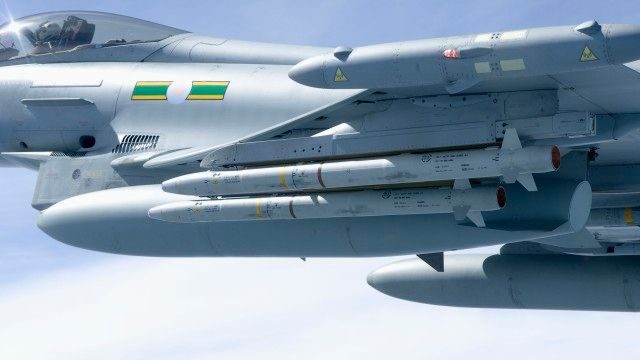
Comparing ASRAAM with R-73
Both the ASRAAM and the R-73 were made for close-range combat, but they each have their own technological advantages. The MBDA’s ASRAAM missile replaces the Russian R-73 missile on the Su-30 Super Sukhoi, which gives the IAF several clear benefits:
- Speed and Range
The R-73 is known for being very agile, but the ASRAAM can reach Mach 3 speeds, making it one of the fastest missiles in its class. The ASRAAM missile from MBDA is better than the Russian R-73 missile on the Su-30 Super Sukhoi. It lets the IAF attack enemies at higher speeds and longer ranges than the R-73 can.
- Advanced Guidance System
After launch, the advanced infrared seeker on ASRAAM operates independently, allowing it to “fire and forget.” It has better target-tracking abilities than the R-73’s simpler tracking system, which gives it an advantage. This means that the MBDA’s ASRAAM is a great replacement for the Russian R-73 missile on the Su-30 Super Sukhoi, especially when the pilot needs
- Compatibility with Modern Fighter Systems
The ASRAAM works perfectly with Western and other advanced fighter jets, such as the Eurofighter Typhoon and the F-35. This supports the IAF’s interoperability strategy. The R-73 is a good fit for Russian planes, but India chose MBDA’s ASRAAM for the Su-30 Super Sukhoi upgrade.
Inside the Super Sukhoi Upgrade
The Super Sukhoi project is a full upgrade plan for India’s Su-30MKI fleet that focuses on improving its operational capabilities. One part of this big plan is to replace the Russian R-73 missile on the Su-30 Super Sukhoi with MBDA’s ASRAAM. Here is what the project is about:
- Upgraded Fire Control Systems
The Super Sukhoi’s new radar and targeting systems improve its ability to find and follow targets, improving it able to deal with modern threats. This makes it easier to change the guidance of missiles quickly, which makes the MBDA’s ASRAAM missile even better than the Russian R-73 missile on the Su-30 Super Sukhoi.
- Enhanced Communication Networks
The Super Sukhoi now works better with the IAF’s command centers, which makes it easier to make quick and accurate decisions in the air. This strategic change raises the chances of success for the mission as a whole, especially since the Russian R-73 missile on the Su-30 Super Sukhoi has been replaced by MBDA’s ASRAAM.
- Additional Weapons and Missiles
The upgrade program also includes adding new weapons, such as advanced air-to-ground missiles that significantly boost India’s tactical versatility.
How ASRAAM Boosts Super Sukhoi
The Super Sukhoi, which has MBDA’s ASRAAM missile instead of the Russian R-73 missile on the Su-30, gives India more air power than ever before. The following benefits make AF’s regional defense capabilities even stronger:
- Improved Air Superiority
India strengthens its ability to deter threats, which is critical in the South Asian geopolitical environment, by replacing the Russian R-73 missile on the Su-30 Super Sukhoi with the MBDA ASRAAM.
- Higher Pilot Safety
The ASRAAM’s ability to track and fire on its own lets pilots stay at safe distances, which makes missions safer. The Su-30MKI with MBDA’s ASRAAM is at the top of the list of air combat systems because of this technological edge.
- Enhanced Interoperability
The ASRAAM’s ability to work with different fighter platforms helps India reach its goal of using Western technology, which makes it easier for the IAF to work with other air forces.
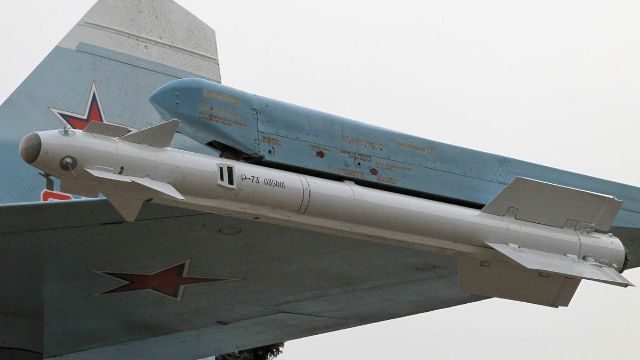
Challenges in Replacing the R-73
The IAF has to deal with operational and logistical problems when they replace Russian systems like the R-73 that have been in use for a long time. Putting MBDA’s ASRAAM on the Su-30 Super Sukhoi requires a lot of testing and changes to flight protocols. Switching to Western systems increases costs and necessitates the relocation of parts and maintenance within the supply chain. These changes could put even more strain on India’s already tight defense budget.
Geopolitics of ASRAAM Integration
India’s choice of MBDA’s ASRAAM over the Russian R-73 shows that it is moving toward Western defense technology. This could make India less reliant on Russian weapons and give it more options for defense. But it also has effects on geopolitics, since India’s arms relationship with Russia has been important in the past. Adding the ASRAAM to India’s defense system strengthens its ties with Western countries and fits with its Make in India program.
India’s Strategic Air Power Leap
India’s Su-30 can fight better in the air now that it has replaced the Russian R-73 with the MBDA ASRAAM. The ASRAAM is quick, agile, and works with modern fighters, which gets the IAF ready for future air battles. Adding ASRAAM to the Super Sukhoi is a step toward India’s goal of having better air superiority.
This change also makes India less reliant on Russian technology for important air combat systems. The IAF’s use of ASRAAM increases its air superiority in the region and keeps its modernization efforts going. It also helps India become more competitive in the global defense market.
References
- “ASRAAM: The Cutting Edge in Close Combat Missiles” – Defence Review, 2024.
- “India’s Shift to Western Defence Technology” – Military Journal, 2024.
- “The Super Sukhoi Programme” – Indian Defence Analysis, 2024.
- For more information, visit MBDA’s official website and Indian Defence News.
About the Author