
Armenia freezes India Tejas deal after Dubai crash
After Dubai crash Armenia halts Tejas talks
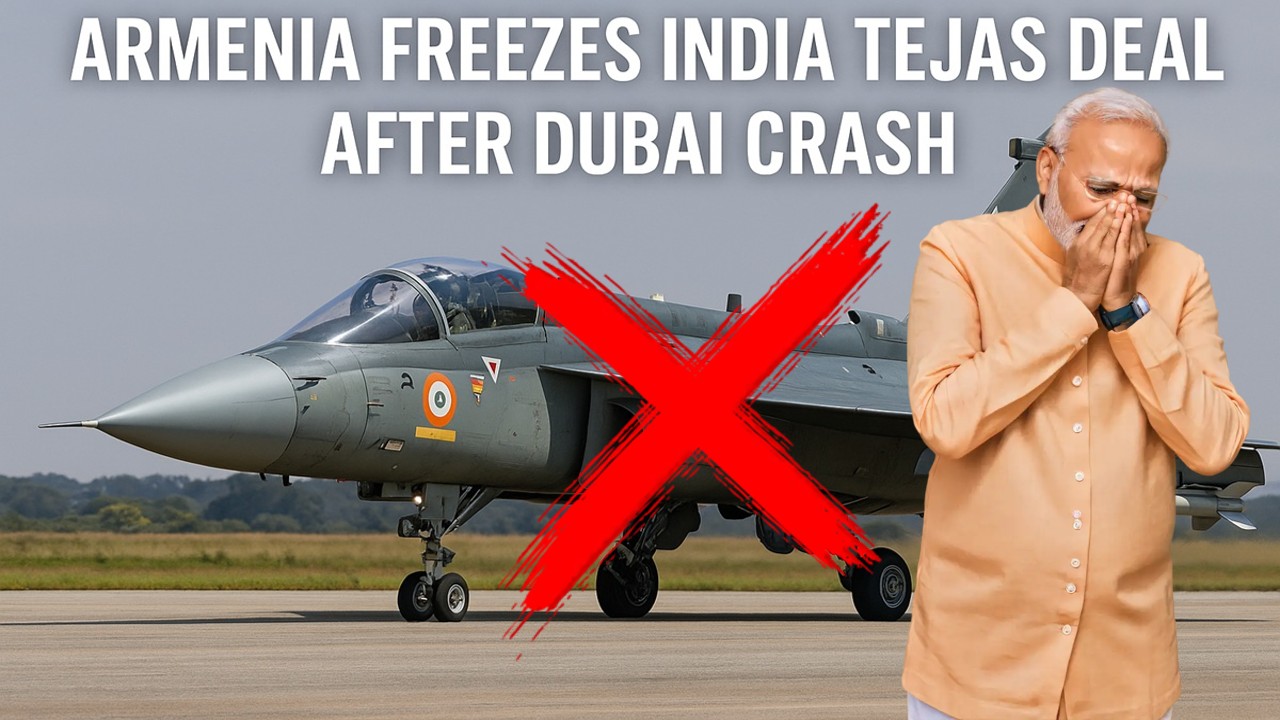
Armenia suspends purchase of India’s Tejas after the Dubai Air Show crash, placing a high-profile export campaign under sudden pressure.
Yerevan had been in advanced talks with New Delhi and HAL for 12 Tejas fighters, worth about $1.2 billion. That package would have given India its first major Tejas export order and a flagship “Make in India” success story.
However, the fatal Dubai Air Show 2025 crash has forced Armenian planners to pause the deal. They now need to reassess risk, delivery timelines, and possible alternative fighter options before moving forward.
A $1.2 billion Tejas export
Before the crash, no one expected to see headlines about Armenia suspending its purchase of India’s Tejas after the Dubai Air Show crash. For Yerevan, the proposed 12-jet package promised a rapid boost to air defense at a price below that of Western 4.5-generation fighters.
For India, the deal would showcase Tejas Mk-1A as a serious light fighter rival. It would sit alongside the FA-50, JF-17, and used F-16s in the export marketplace. Moreover, the contract would signal that HAL can deliver true export-standard aircraft and support. It would also prove HAL can sustain training and logistics for a frontline user in a tense region.
Instead, Armenia has now “frozen” or “halted” negotiations, according to multiple regional outlets and Israeli media, while it waits for answers from the crash inquiry.
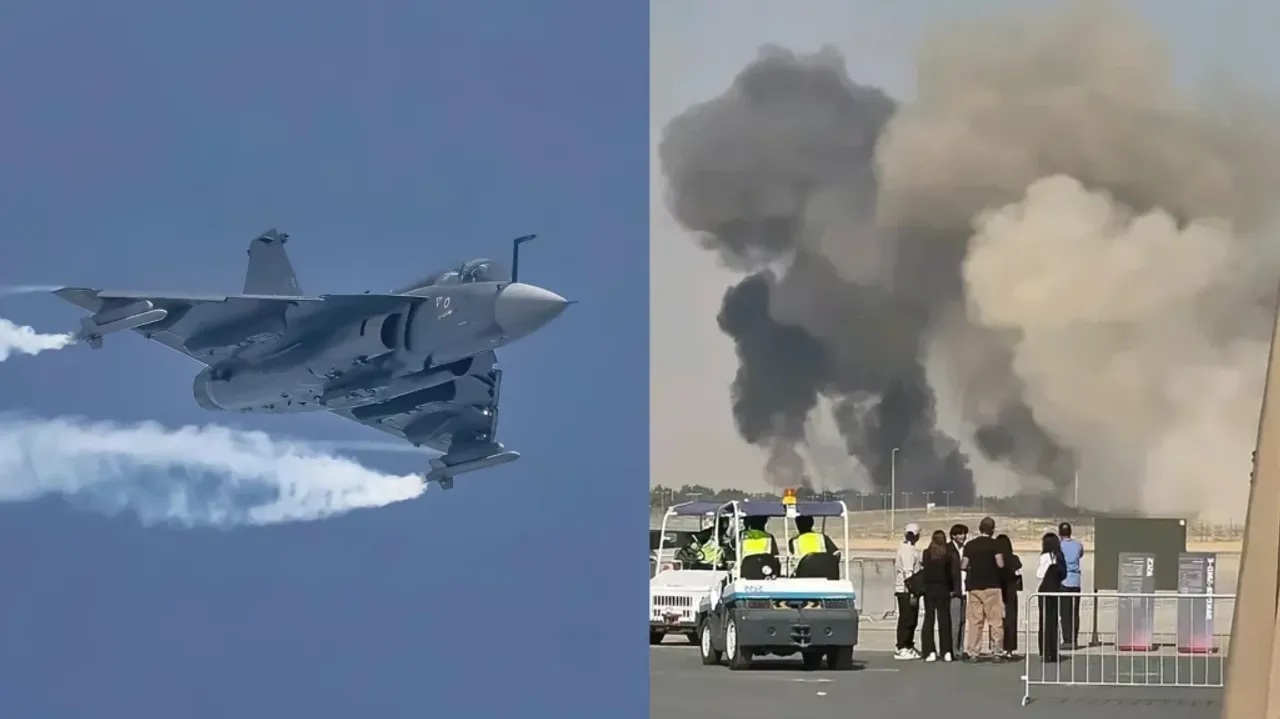
Dubai Air Show 2025: a fatal demonstration
On 21 November 2025, an Indian Air Force Tejas crashed during an aerobatic display at the Dubai Air Show, killing Wing Commander Namansh Syal. Video footage showed the aircraft at low altitude attempting a rolling maneuver before descending steeply and impacting near the runway in a fireball.
Investigators from India and the UAE are still examining whether a technical failure or pilot error caused the loss. HAL has publicly described the Dubai event as an “isolated occurrence” and pledged full support to the court of inquiry.
For potential buyers, though, perception matters almost as much as the final report. A fatal crash in front of cameras, during a sales-focused air display, inevitably weighs heavily in risk assessments and parliamentary debates.
Tejas A1: Israeli upgraded MiG-21 replacement
Tejas was designed to replace India’s aging MiG-21 fleet and anchor a long-term shift toward indigenous combat aviation.
The Indian Air Force already operates 40 Tejas jets from the first full production batch. A fresh order for 97 upgraded A1 variants is now moving through HAL’s production lines.
To meet Western 4.5-generation standards, the A1 Tejas leans heavily on proven Israeli avionics and sensors. It carries an Elta AESA radar, an Israel Aerospace Industries electronic warfare suite, and Elbit’s newest helmet-mounted sight.
Rafael’s Derby missile then gives the jet credible beyond-visual-range reach against modern fighters and standoff targets. If Armenia walks away permanently, Israeli suppliers could lose tens of millions of dollars in expected Tejas-related contracts.
Strategic and Industrial fallout
If Armenia keeps its Tejas suspension in place for years, the impact will go far beyond lost revenue. This pause would undermine India’s claim that Tejas is a fully mature, export-ready fighter rather than a stopgap domestic design.
Moreover, hesitation from a relatively small buyer like Armenia sends a loud signal to much larger air forces. Those air forces quietly study Tejas as a possible lead-in trainer, aggressor jet, or affordable second-line interceptor.
For comparison, Defence News Today has previously examined Pakistan’s JF-17 export prospects, where a clear track record of international operators helps offset concerns about cost and capability. Likewise, our analysis of India’s fighter export ambitions highlights how first-mover deals can shape perceptions for a decade.

Reaction to the decision
The Dubai crash also triggered an emotional response across the display community. Major Taylor Hiester, commander of the US Air Force F-16 Viper Team, wrote that he was “shocked” that flying displays resumed so quickly after the accident.
Out of respect for Wing Commander Syal and his family, the Viper Team cancelled its final performance at the show. That choice underscored how safety culture, show management, and perceptions of risk now sit alongside challenging performance numbers when air forces evaluate platforms and partners.
What’s next for Tejas and Armenia?
In the near term, Armenia suspends purchase of India’s Tejas after the Dubai Air Show crash while it waits for technical findings and political cover at home. New Delhi, HAL, and their Israeli partners will try to persuade Yerevan that the jet’s design remains sound and that the Dubai loss does not reflect systemic flaws.
Longer term, the episode will become a case study in how a single high-visibility accident can reshape export trajectories for an otherwise capable light combat aircraft. For India’s Tejas program, the stakes extend far beyond one $1.2 billion contract.
References
- https://thecurrent.pk/armenia-suspends-purchase-of-indias-tejas-after-dubai-air-show-crash-reports The Current
- https://caliber.az/en/post/armenia-halts-talks-on-indian-tejas-jet-deal-after-dubai-airshow-crash caliber.az
- https://hal-india.co.in/product/lca HAL
- https://www.reuters.com/world/india/indias-hindustan-aeronautics-calls-tejas-jet-crash-an-isolated-occurrence-2025-11-24 Reuters
About the Author