
Alibaba Pentagon Black list Fight—Legal Fallout
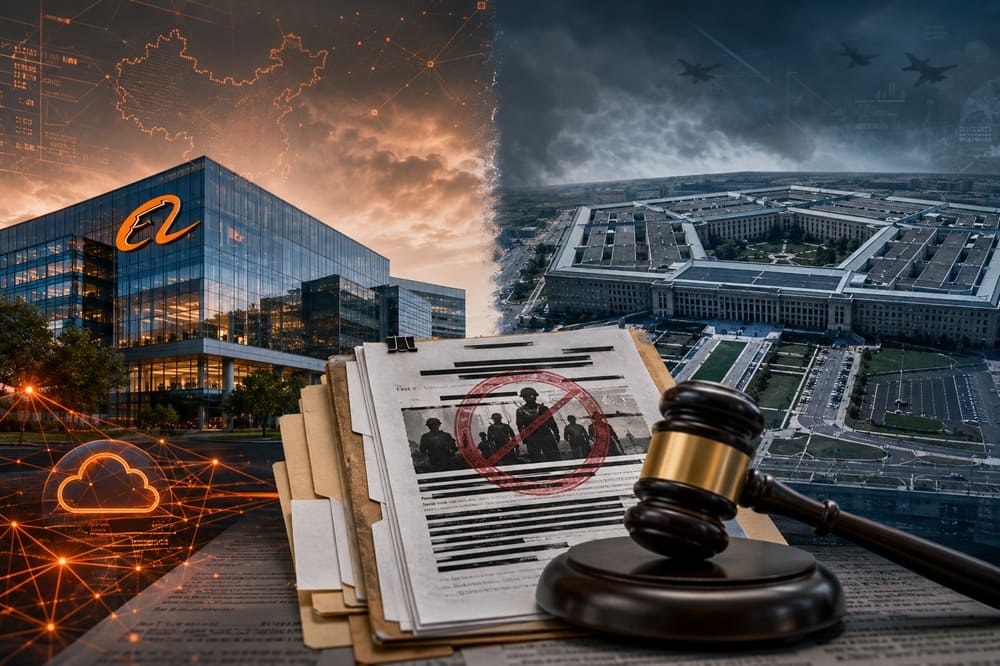
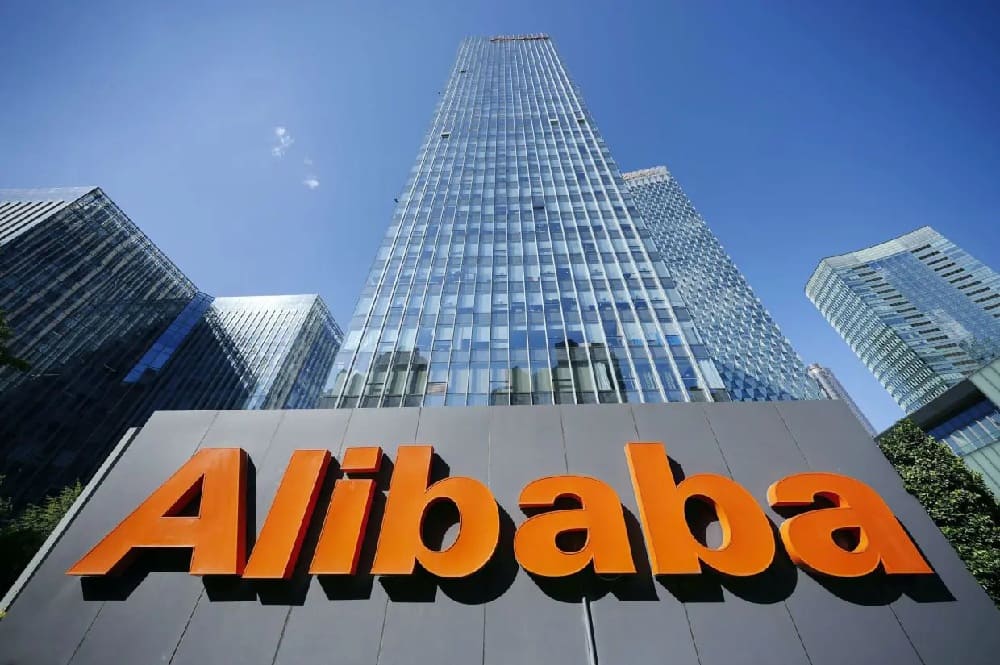
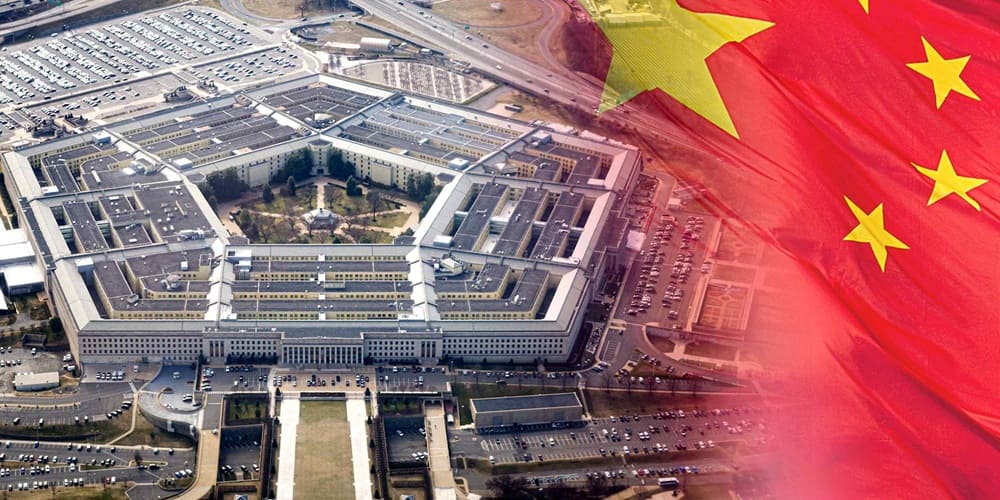
Alibaba’s Pentagon black list fight has moved from policy pressure to actual litigation. Alibaba Group Holding has sued in a federal court in San Jose, California, to get the US Department of Defense removed from the Pentagon’s list of alleged “Chinese military companies” under Section 1260H.
This case is bigger than one e-commerce giant. That shows how Washington now views large Chinese technology platforms as potential military enablers, even though they mostly serve civilian markets. The lawsuit could therefore set a precedent for future US action against Chinese firms in everything from cloud computing and artificial intelligence to electric vehicles, robotics and advanced manufacturing.
Alibaba Challenges US Black list
Alibaba said the Pentagon had added it to the list without any lawful basis, evidence or a fair process. The company also claimed the action infringed its constitutional rights to free speech and due process. It also says it is not part of China’s military-civil fusion strategy. In a June 2026 update, the Pentagon alleged that Alibaba had indirect ties to the State-owned Assets Supervision and Administration Commission (SASAC).
It also named Alibaba as a contributor to military-civil fusion because of alleged ties to the Ministry of Industry and Information Technology, or MIIT. Alibaba denied both charges. The company said in its complaint it has no connection to the SASAC. It also said its contacts with the MIIT were routine regulatory compliance for a big Chinese technology company. Alibaba said it met with Pentagon officials in January and submitted a written response in March. But the department still gave the firm a rating in June.
Section 1260H Explained
Section 1260H is part of the US National Defense Authorisation Act for the 2021 fiscal year. It mandates the Pentagon to identify Chinese military companies operating in the United States directly or indirectly. The label does not imply automatic full financial sanctions. Meanwhile, it can erode investor confidence, discourage partnerships and make it harder to get business tied to the US government. Recent U.S. law has also heightened the seriousness of the designation. The Pentagon is barred from awarding contracts to companies on the list, and indirect procurement rules will become stricter in 2027. As a result, the Alibaba Pentagon Black list case now carries procurement, legal and reputational consequences.
Chinese Tech Faces Pressure
Alibaba was not the sole big Chinese company in the crosshairs. The June update also included companies such as Baidu, BYD, Nio, Unitree Robotics, TP-Link and WuXi AppTec in the fields of AI, biotech, solar power, electric vehicles, semiconductors and robotics. These are the battlegrounds of the strategic competition between Washington and Beijing. The US is no longer looking only at traditional defense contractors. Rather, it now looks at companies that control data, software, batteries, sensors, drones, networks and advanced industrial capacity.
In peacetime, these assets may be civilian in nature. However, they can help with military logistics, command systems, intelligence processing or industrial resilience in a crisis. Hence, the fight against the Black listing of the Alibaba Pentagon has strategic importance. For Washington, it tests the line between routine commercial capability and military-relevant technology. WuXi AppTec has also filed a lawsuit challenging its inclusion. Both Baidu and BYD have strongly opposed the Pentagon’s move. So the lawsuit against Alibaba could be part of a larger corporate backlash against Washington’s listing process.
Beijing Hits Back
Beijing was quick to react. China’s Ministry of Commerce adds 10 US companies to its export control list. The list included MP Materials, USA Rare Earth, Aveox, Red Cat Holdings, Teal Drones, IMSAR, Jaia Robotics, Ball Aerospace & Technologies, Oshkosh Defense and L3Harris Maritime Services. It matters because rare earths, drones, sensors and defense electronics are part of supply chains for modern weapons.
Furthermore, China banned 46 U.S. companies from government procurement. The list included Lockheed Martin, Raytheon Missiles & Defense, General Atomics Aeronautical Systems, Boeing Defense, Space & Security, General Dynamics Land Systems and the Javelin Joint Venture. But Beijing did allow US-China joint ventures in the country. That is, China wants to show it is strong without hurting its own industrial base. So the retaliation appears measured, not wild.
Assessment
The Alibaba-Pentagon red list lawsuit is more than a legal fight for a company. This is part of a larger fight over the control of dual-use technology, market access and industrial trust. Alibaba is trying to save face and save its relationship with the U.S. At the same time, Washington wants to keep Chinese civilian platforms from supporting the People’s Liberation Army. The lawsuit could compel the Pentagon to disclose more of its rationale.
That could help other firms challenge future designations. But it could also lead the U.S. government to develop stronger evidentiary cases before adding tech companies to the list. The question for defense watchers is not whether Alibaba is selling weapons. The more profound question is whether digital platforms, cloud systems, AI tools and logistics networks can act as military infrastructure in a national emergency. That issue will continue to frame US-China tech policy.
Conclusion
The Alibaba-Pentagon Black list dispute is a case study of how economic security and defense policy intersect today. The e-commerce and cloud giant, once considered a company, is now embroiled in a legal battle with military ties. The case could therefore set a benchmark for future action against Chinese technology firms.
References
- https://www.reuters.com/legal/litigation/alibaba-sues-us-department-defense-branding-it-chinese-military-company-2026-06-23/
- https://www.bloomberg.com/news/articles/2026-06-23/alibaba-sues-the-us-seeking-removal-from-pentagon-s-black list
- https://media.defense.gov/2026/Jun/08/2003945537/-1/-1/1/ENTITIES-IDENTIFIED-AS-CHINESE-MILITARY-COMPANIES-OPERATING-IN-THE-UNITED-STATES-IN-ACCORDANCE-WITH-SECTION-1260H.PDF
- https://www.reuters.com/world/asia-pacific/pentagon-lists-entities-designated-chinese-military-company-2026-06-08/
- https://www.reuters.com/world/asia-pacific/china-targets-us-rare-earth-other-firms-with-export-controls-2026-06-22/
About the Author