AIM-260 Export to Australia Extends F-35 Reach
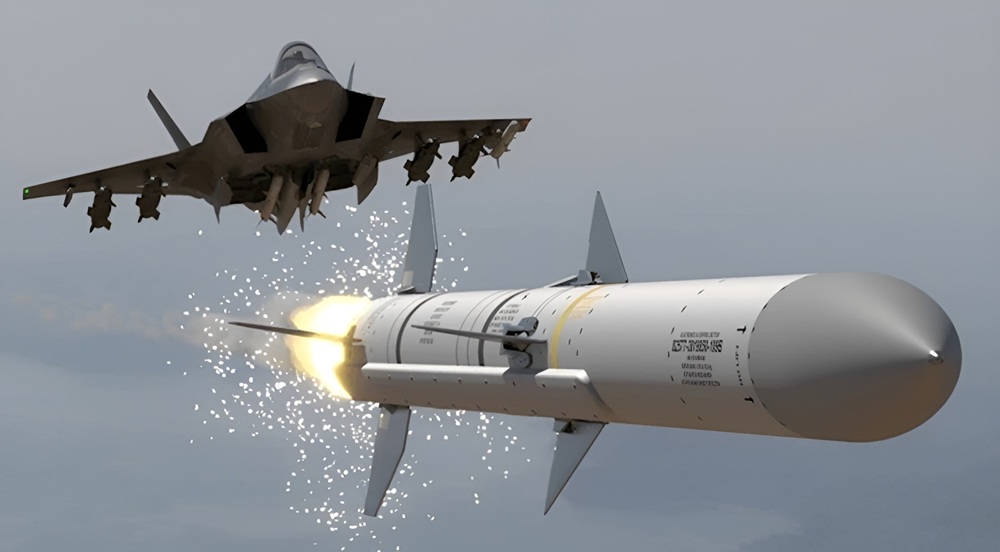
The sale of the AIM-260 to Australia represents a major change in the planning of air combat in the Indo-Pacific. Washington has provided the Royal Australian Air Force with a $3.16 billion package. This includes $2.61 billion worth of major defense equipment and $550 million for maintenance and support. The approved case includes up to 450 AIM-260 Joint Advanced Tactical Missiles, five Integration Test Vehicles, and 30 Guided Test Vehicles. Lockheed Martin Missiles and Fire Control is the main contractor.
This AIM-260 export to Australia is important because it goes beyond normal resupply. At a time when range, resistance to jamming, and first-shot advantage matter more than ever, it gives Canberra access to a much newer U.S. weapon that can hit targets beyond visual range. According to the Federal Register notice, the missile has a longer range and is more effective.
What Australia Gets
The numbers alone make the deal stand out. Australia wants 450 working missiles, plus 35 more test rounds and a wide range of support, such as software, training gear, technical publications, transportation help, site surveys, and logistics help. That means that the AIM-260 sale to Australia is more than just buying a missile. This set of tools will serve as a long-term solution for maintaining operations.
If you divide the $2.61 billion major defense equipment line by 450 operational missiles, you get a rough number of about $5.8 million per missile. That is just a planning estimate, though, not a final flyaway price, since the same line also includes the test vehicles. Still, the calculation shows how much more expensive next-generation air combat reach has become.
The Royal Australian Air Force has promised to buy 72 F-35A planes for three operational squadrons and one training unit. That means that on paper, the AIM-260 export to Australia gives each F-35A 6.25 operational missiles, not counting any AIM-120 reserves that are already there. For a force of Australia’s size, that is a good magazine depth.
Why AIM-260 Matters More
The AIM-260 program came about because the US wanted to get back an advantage in long-range air combat against Chinese missile advances, especially the PL-15 family. Reports from the U.S. Air Force and experts say that the missile is meant to push engagements farther away than the AIM-120 and give the U.S. an advantage in contested airspace.
That background is crucial. Speed alone is not enough for modern air combat. Instead, it depends on who sees first, who correctly classifies, and who shoots first from outside the other person’s best engagement zone. So, the AIM-260 sale to Australia not only adds to the RAAF’s stock of missiles, but it also makes its deterrent more credible in a Pacific theater where distances are long and kill chains close quickly.
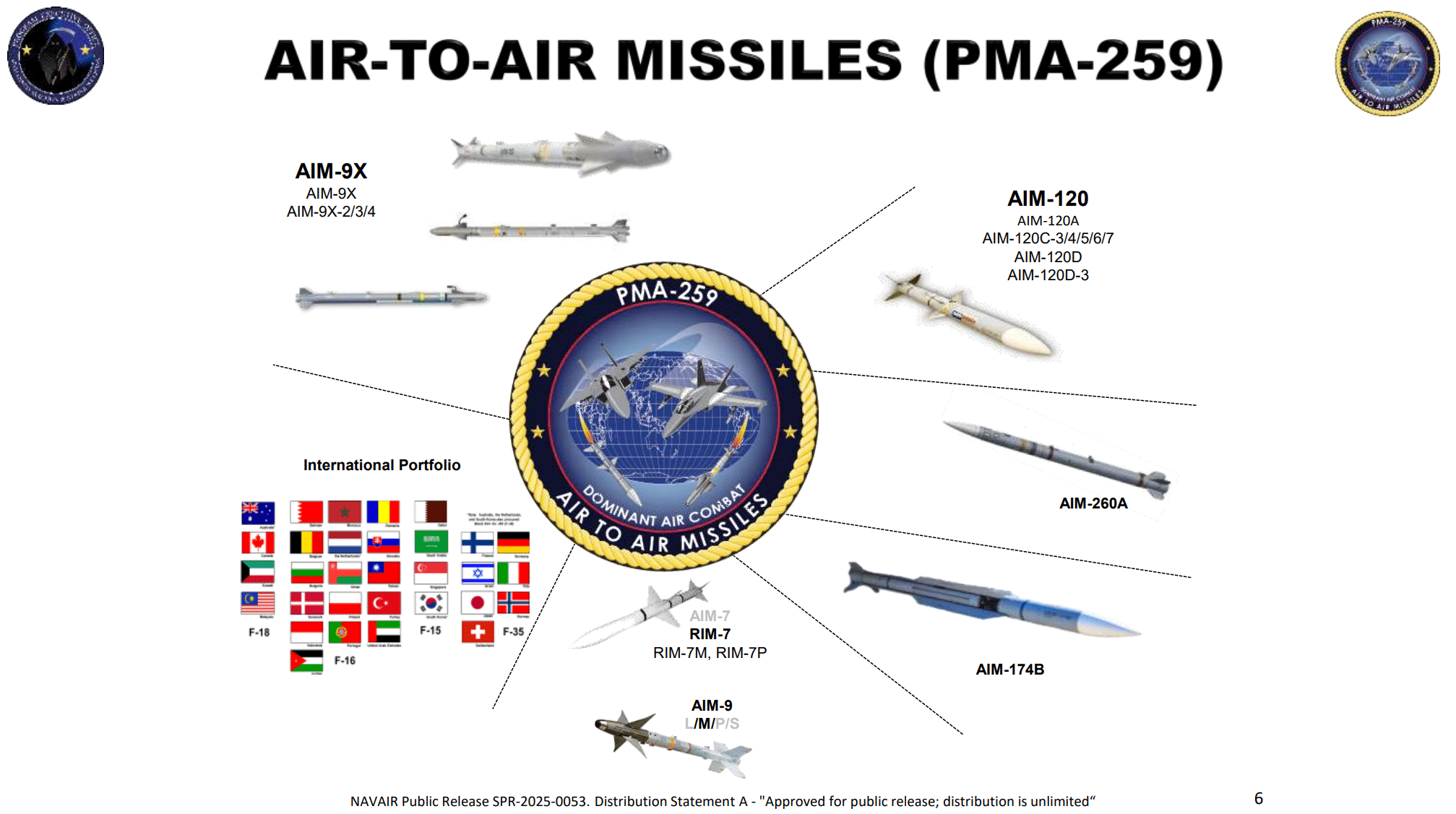
The missile is still moving through the last part of its journey from development to wider use in the field. The Air and Space Forces said that the Air Force bought 104 JATMs in 2024, 40 in 2025, and asked for 112 more in 2026. The Navy also asked for money to buy more. At the same time, both branches are still spending a lot of money on research and development. That combination makes it seem like the weapon is getting better, but not yet replacing the AIM-120 everywhere.
How It Changes Australia’s F-35s
For the RAAF, the AIM-260 export to Australia fits a broader shift toward a more networked air combat force. Australia is already building supporting nodes around the F-35A, including the MC-55A Peregrine Arrives in Australia, Boosting RAAF EW and the MQ-28 Ghost Bat AMRAAM Test — 2nd after Kizilelma. In that framework, a longer-range missile improves the value of every sensor, relay, and electronic-warfare asset around the fighter force.
That’s why this sale is important from a business perspective. The F-35A already has stealth, sensor fusion, and the ability to share data. But a stealth fighter only has an advantage if its weapons can take advantage of the battlespace it makes. The AIM-260 export to Australia helps close that gap by giving the RAAF a low-observable platform and a missile that can handle tougher electronic warfare conditions and longer engagement ranges.
Why Indo-Pacific Timing Matters
The timing is not a coincidence. In December 2024, pictures of two Chinese tailless combat aircraft that had never been seen before were posted online. This made people feel like the competition for airpower in the region is speeding up. The U.S. budget request for fiscal year 2026, on the other hand, put a lot of emphasis on weapons and asked for fewer F-35s than before. That budget pattern means a lot: the depth of the missile stock and the range of the missiles are now just as important as the prestige of the airframe.

In that setting, the AIM-260 sale to Australia is about more than just hardware. It’s about making the time frame shorter in which Chinese fighters with long-range missiles can control the fight. It also indicates that Washington wants its close allies in the Pacific to acquire better weapons sooner rather than later. This sale could alter the aerial combat strategies of allies long before the widespread use of sixth-generation planes.
Conclusion
The AIM-260 export to Australia won’t guarantee air superiority on its own. But it does make the RAAF’s chances better in the kinds of long-range, high-pressure fights that would happen in any major Pacific war. It adds depth, extends reach, and supports a larger move toward networked air warfare. That is not a small upgrade for Australia’s F-35 force. It is a big step toward a more believable first-day combat stance.
References
- https://www.federalregister.gov/documents/2026/03/17/2026-05140/arms-sales-notification
- https://www.airforce.gov.au/aircraft/f-35a-lightning-ii
- https://defensenewstoday.info/mc-55a-peregrine-arrives-in-australia-boosting-raaf-ew/
- https://defensenewstoday.info/mq-28-ghost-bat-amraam-test-2nd-after-kizilelma/
About the Author