

Abu Mahdi Anti-Ship Missile—Iran’s 1,000km A2/AD Reach
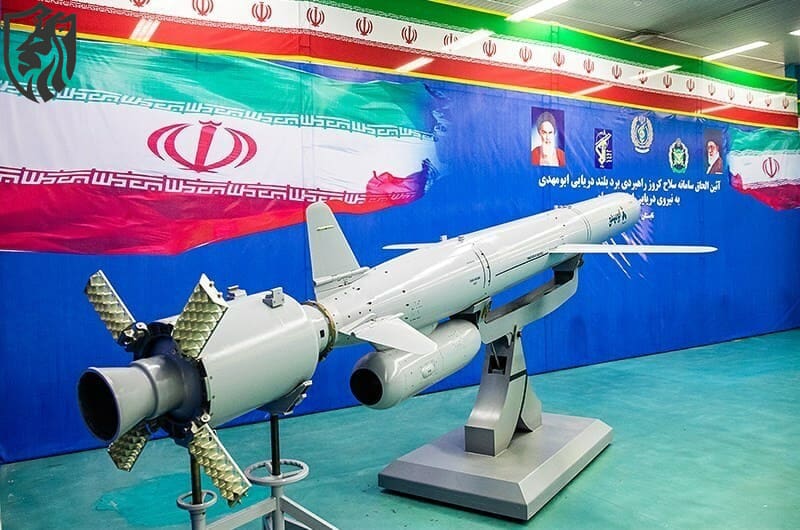
Iran says that the Abu Mahdi anti-ship cruise missile lets it go far beyond the Strait of Hormuz and into the Sea of Oman. Iran showed it off on August 20, 2020, during Iran’s Defense Industry Day, and in public comments, they said it could go about 1,000 kilometers. The name also means something because a U.S. attack in January 2020 killed Abu Mahdi al-Muhandis and Qassem Soleimani.
The main concern for U.S. carrier groups is where ships can go and launch planes. The Arabian Sea used to have more room for standoff flying, but a 1,000-kilometer threat ring can make that space smaller, especially off Oman. For more information, check out Defense News Today’s Missiles desk and our Middle East desk, where we update you on news from the Gulf and Red Sea.
Wider Sea Denial Strategy
Iran’s missile program grew out of the Iran–Iraq War and years of sanctions. Tehran relied on missiles because they were cheaper than matching Western fleets ship for ship. In the past, Iran’s anti-ship cruise missiles, like the Noor and Qadir family systems, were often said to have a range of 300 to 350 kilometers.
This range proves beneficial during a battle at a chokepoint located near narrow waters. But in 2020, Iran framed Abu Mahdi as a big leap. President Hassan Rouhani said Iran increased cruise missile range from about 300 kilometres to 1,000 kilometres. He said Iran achieved this objective in less than two years.
What the Specs Point To
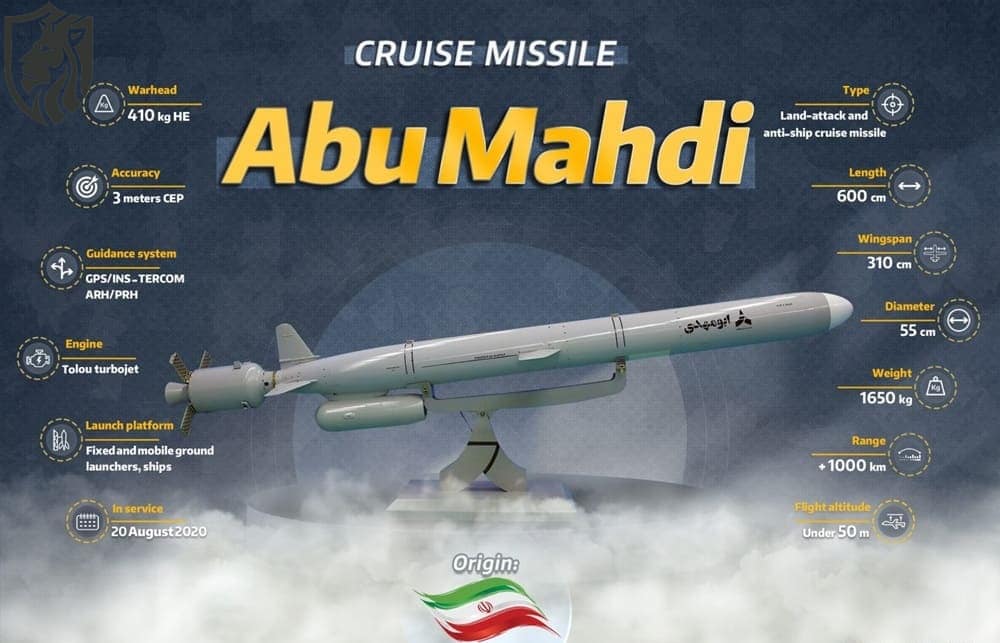
Iran hasn’t made all of its test data public yet, so experts use open-source technical write-ups as a starting point for their understanding of the Abu Mahdi anti-ship cruise missile. Experts say that a jet-powered missile weighing about 1,650 kg and carrying a 410 kg high-explosive warhead flies under 50 meters at a speed of about 700 km/h and has a hit error of about 3 meters CEP.
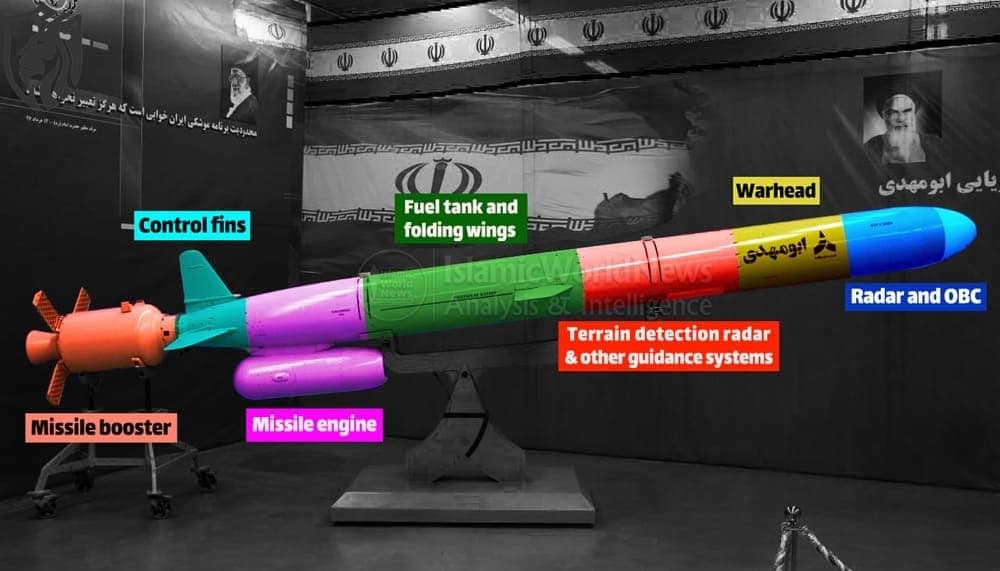
The same source also lists GPS/INS, TERCOM, and active/passive radar-homing modes. That mix points to a low-level approach and a search for a terminal. If those numbers stay the same, the missile can hit destroyers and other important support ships. But speed makes it hard to hit a moving target because a 1,000-kilometer shot can take an hour or more, and a carrier can move tens of kilometers in that time. Iran needs more than just a seeker; it needs a working “find-fix-track” chain that works with range.
AI Guidance, Dual Seekers
In public briefings, Iranian officials and media outlets that support the government call Abu Mahdi “AI-guided” and “stealthy.” But “AI” might just mean better route choice and stronger filters when jamming, not a new way of self-governing.
Iran’s reports also talk about a dual-seeker approach and better performance against EW. That idea works in modern naval combat because one seeker can fail when there are decoys. Still, public proof is limited, so treat the exact seeker mix as “reported.”
Service Rollout Since 2023
In July 2023, Iranian state media said that both the IRGC Navy and the regular navy got Abu Mahdi cruise missiles. This implies that the IRGC Navy is not the only entity using them. At the same event, Alireza Tangsiri, the commander of the IRGC Navy, said that the missile could “drive the enemy away from our coasts.”
Defense Minister Mohammad Reza Ashtiani said that mass production would make it possible to hit moving targets from deep inside Iran and from “hidden places.” Those lines show that Iran has a plan: it wants mobile launchers and hard-to-find coastal firing points. It also wants layered attacks that use drones, small boats, and different types of missiles.
How U.S. Naval Plans Adapt
A long-range sea-skimmer doesn’t make the Aegis system “obsolete,” but it does mean that U.S. forces have to work harder on early warning and keeping track of missile stocks during a salvo. The U.S. Navy uses airborne sensors and networked tracking to buy time because low-flying planes don’t show up on ship radars until later. Even so, a massed strike can still put a lot of stress on missile stocks and the command team.
It can also make support ships more dangerous because they usually have fewer defenses than escorts. If Iran can threaten those “soft” ships from farther away, commanders may move them back and accept longer fuel cycles. The moving-target kill chain is still the hardest part, though. Iran needs near-real-time cues, strong communications, and tough directions. If that chain breaks, the range won’t be as useful.
Bottom line
The Abu Mahdi anti-ship cruise missile looks like an attempt to extend Iran’s A2/AD range from the Gulf to the Arabian Sea. They are using cost pressure because a cheap missile could threaten ships worth billions.
What happens when you’re under stress is the real test. If Iran can find, follow, and update on moving targets, it can change the math of U.S. risk. If it can’t, Abu Mahdi still shows intent without changing the naval balance on its own.
References
- https://www.aljazeera.com/news/2020/8/20/iran-shows-off-new-ballistic-cruise-missiles-as-us-tensions-rise
- https://missilethreat.csis.org/missile/abu-mahdi/
- https://www.iswnews.com/en/abu-mahdi-cruise-missile/
- https://en.irna.ir/news/85183073/Iran-unveils-two-locally-made-cruise-missiles
About the Author