82nd Airborne Middle East Deployment Explained
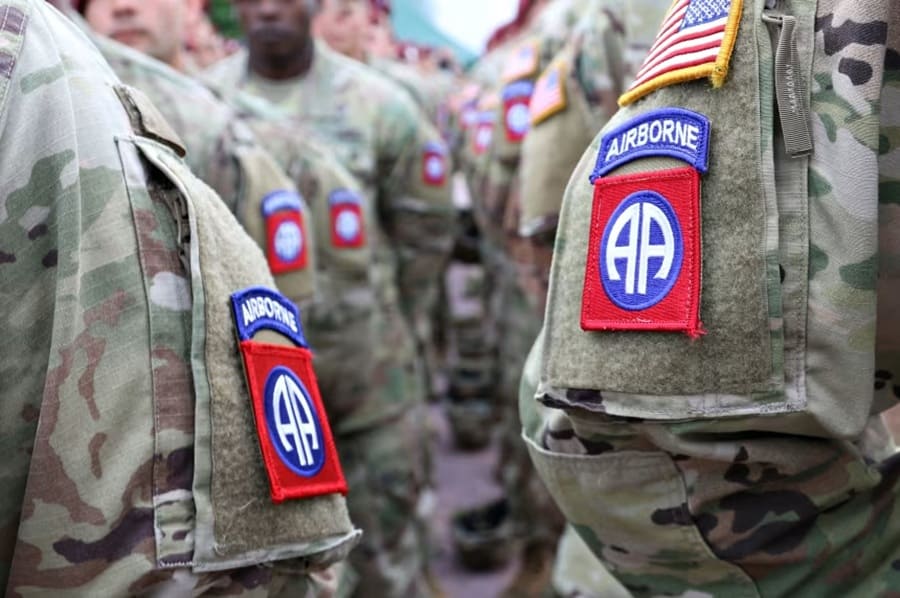
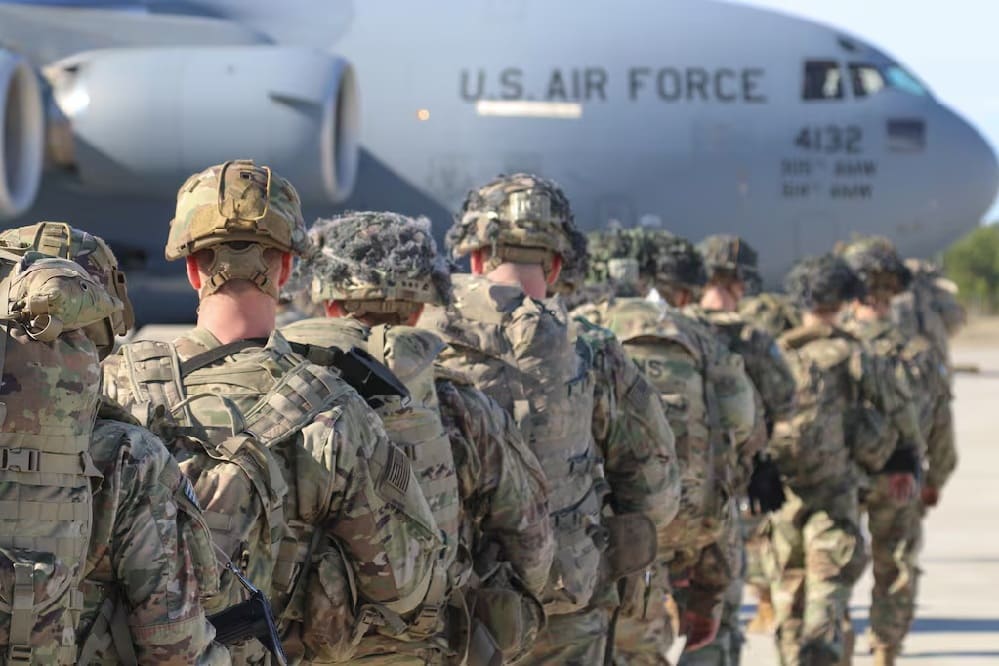
The 82nd Airborne Middle East deployment is no longer just a rumor. The AP says the Pentagon is getting ready to send at least 1,000 troops from the 82nd Airborne Division to the area in the next few days. The force would have a battalion from the 1st Brigade Combat Team, led by Maj. Gen. Brandon Tegtmeier, as well as division staff. That means there is a command layer and a swift, ready force, not just more boots on the ground.
Why the 82nd Airborne
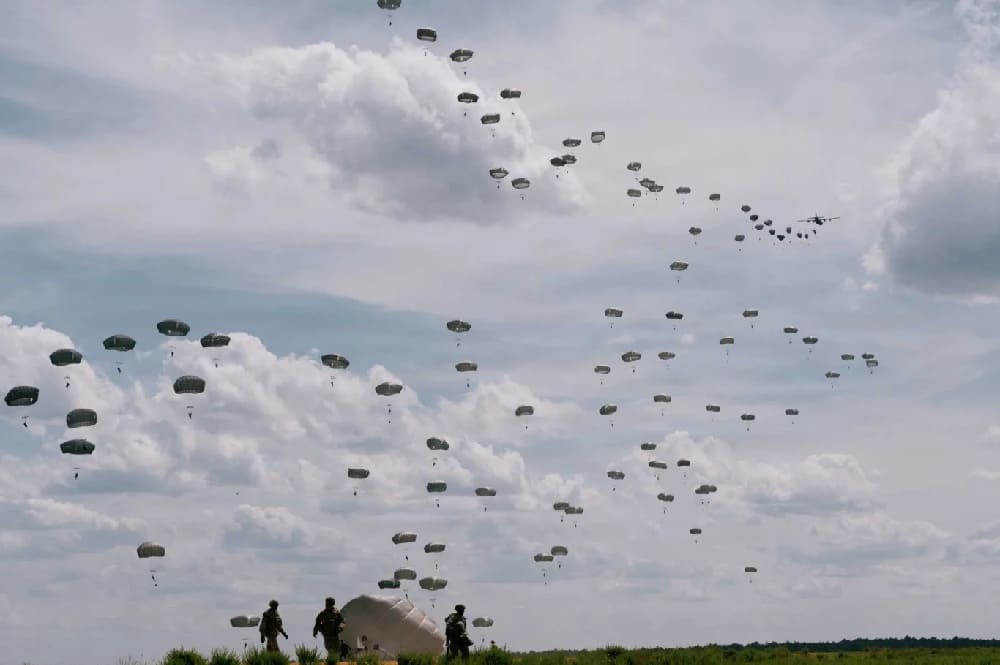
The 82nd Airborne is the US Army’s crisis-response force, ready to move quickly when Washington needs troops in a tense area. Its soldiers learn how to drop into dangerous or disputed areas, take control of important ground, and secure airfields for follow-on forces. The 1st Brigade Combat Team is a key part of this quick-response role. The 82nd Airborne Middle East deployment gives the White House a unit that can help secure a sudden evacuation, reinforce it, or stop it.
That job makes it different from the Marines who are going to the same area now. Marine expeditionary units can help embassies, move civilians, and respond from the sea. Airborne troops are meant to arrive quickly, fight early, and hold their ground. So, the 82nd Airborne’s deployment to the Middle East sends a stronger message than a normal troop rotation.
What the Package Shows
The reported package appears small, but it remains important because it does not constitute a full invasion force. It’s more like a custom option that can grow if things get worse, and the fact that the division commander and staff are involved is the real clue. Senior headquarters do not relocate merely for show. When planners want more control and a command post that can grow quickly, they move.
A battalion can protect sites, strengthen bases, and support evacuation plans. A headquarters can connect that force to air, naval, and regional commands. To put it simply, the 82nd Airborne Middle East deployment makes things go faster and adds structure at the same time. That makes it more useful than just the number alone.
Wider US Build-Up
This deployment is in addition to other US deployments. Officials have already said that Marine units from Japan and San Diego are going to the Middle East. The US already has about 50,000 troops in the area, so those forces would add about 5,000 Marines and thousands of sailors. When viewed collectively, these actions demonstrate a larger initiative to strengthen the shield while maintaining numerous military options.
That way of doing things is important. Sea-based Marines can help out near the coast in a flexible way, and airborne troops can arrive to the ground quickly. These two groups collectively provide Washington with a wider range of options for responding to the spread of war, threats to bases, or urgent civilian assistance. In that way, the 82nd Airborne’s deployment to the Middle East is not a stand-alone move but part of a bigger change in posture.
Diplomacy and Force Align
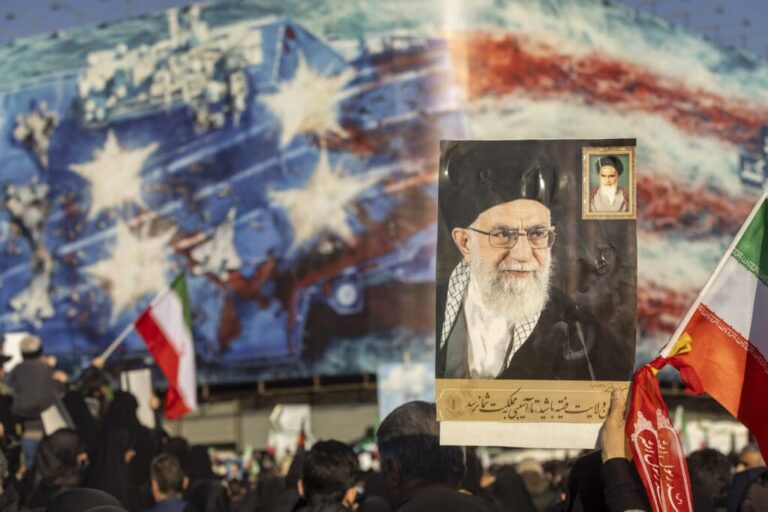
There are also mixed political signals coming from the troop move. President Donald Trump said that the US is talking to Iran and named Steve Witkoff, Jared Kushner, Marco Rubio, and JD Vance as people who are part of the talks. Pakistan has said it will host talks. But Iranian officials have denied that there are any direct talks going on.
That split is important because troops and diplomacy are both moving at the same time. One side talks about leverage and a possible deal, while the other side says the talks aren’t happening and promises to keep fighting. Washington has used force posture to help diplomacy many times in the past. But when the other side doesn’t want to talk at all, the chance of a wrong reading goes up. This is why the 82nd Airborne’s deployment to the Middle East may be both a threat and a safety net.
What to Watch
A classified briefing for the Senate Armed Services Committee is likely to cover the plan, which shows that the problem is bigger than a normal movement order. Lawmakers will want to know the mission, the law, and when this force could grow. They will also want to know if the troops are there to stop Iran from doing something, protect US sites, or become ready for a harder choice.
Analysts should monitor three signs. First, where the troops are stationed and how quickly they join up with the navy. Second, we need to determine whether extra lift, logistics, or air defense units should come next. Third, if the command staff starts to build a bigger control system in the theater. If more enablers come, the 82nd Airborne Middle East deployment could be the start of a bigger military plan.
Why this matters now
Initially, 1,000 troops might not appear significant in a region already hosting tens of thousands of US troops. Elite units are important because of what they can do quickly. The 82nd has speed, command depth, and entry skills. Those traits are most important when leaders want real choices before a crisis turns into a bigger war.
The lesson for people who read defense is clear. Force mix is often more important than force size. A battalion from the 1st Brigade Combat Team, with support from divisional leadership, is a grave sign. It lets friends, enemies, and regional partners know that Washington wants a military that is quick, trustworthy, and easy to expand. That is why we should pay close attention to the 82nd Airborne Middle East deployment.
References
- https://apnews.com/article/4b4c30ebc807b323fbf35c4435a739f1
- https://www.reuters.com/world/middle-east/us-expected-send-thousands-soldiers-middle-east-sources-say-2026-03-24/
- https://www.army.mil/82ndairborne
- https://www.dvidshub.net/unit/1BCT-82ABN
About the Author