20GW Microwave Weapon—60 Seconds HPM Burst Driver
A fresh Chinese claim is stirring the EW world. South China Morning Post (SCMP) says scientists built a compact pulse-power “driver” for a high-power microwave (HPM) system. The key point lies in the reported run-time, as it suggests a sustained electronic attack rather than a fleeting pulse.
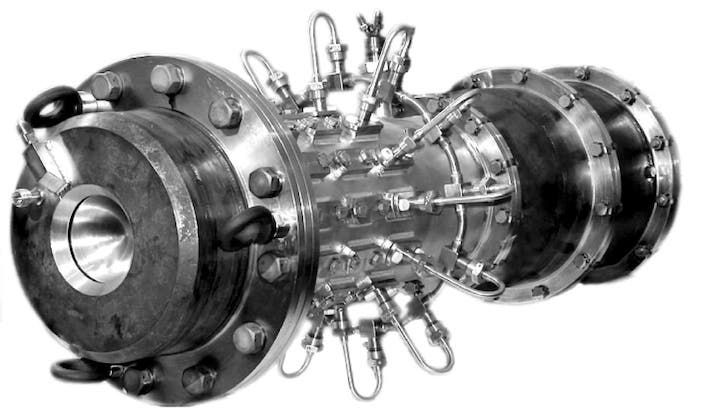
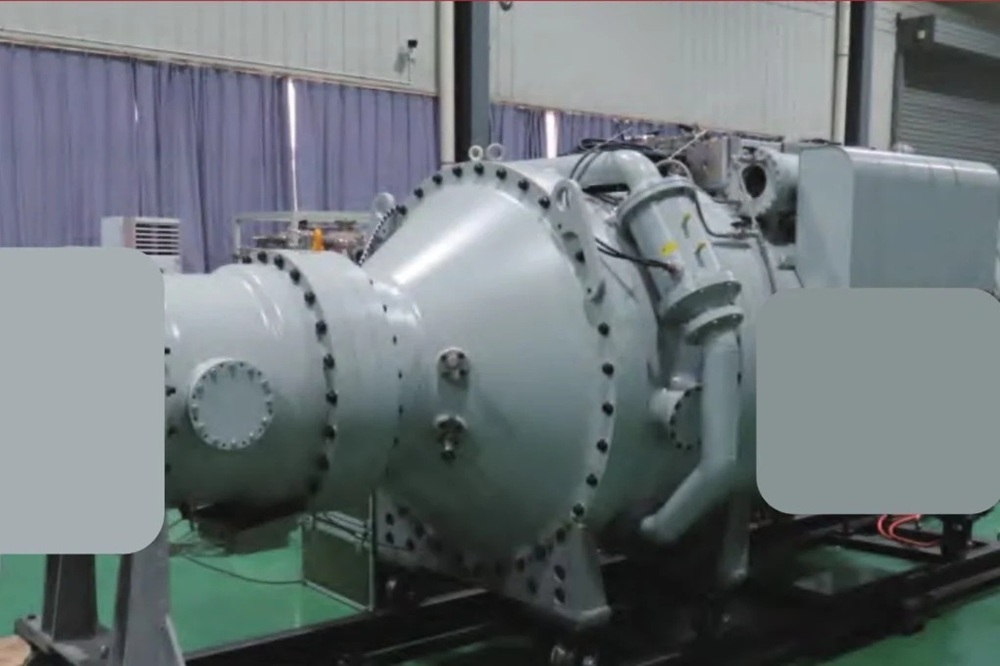
SCMP and several OSINT reports state that the Northwest Institute of Nuclear Technology in Xi’an, Shaanxi, has a device called TPG1000Cs. The article calls it the world’s first compact driver for an HPM weapon, and it says it can deliver 20 gigawatts for up to one minute. It lists a 4-meter length and 5-tonne mass, compact for this power level. SCMP adds that the form could suit trucks, ships, aircraft, or even satellites.
How Microwave weapons work
A microwave weapon generates intense radio-frequency energy, then shapes and directs it through an antenna into a narrow beam. The burst couples into target electronics via cables, seams, or antennas, overwhelming components with heat and voltage. As a result, systems can glitch, reset, or fail.
TPG1000Cs: Driver, Not a Weapon
The headline refers to a 20 GW microwave weapon. Yet SCMP’s keyword is “driver.” In plain terms, the driver is the power source that stores energy and then releases it into the microwave chain and antenna. So, a smaller driver can be a big step even before a full weapon appears. SCMP calls it a “Tesla-type” pulse-power driver and says it can run steady for a minute. It also says similar systems could only run for about three seconds, which changes how you can use HPM in a fight.
Why 60 Seconds Matters
Time on target changes how forces can use HPM, because the beam can dwell long enough to stress fragile electronics. A few seconds may help against a single drone pass. However, a minute supports repeat shots, longer “dwell,” and wider effects on exposed electronics.
Even so, the phrase “20 GW microwave weapon” needs care. “20 gigawatts” may refer to peak electrical power inside the device. It may not equal the power the antenna radiates. Moreover, range depends on frequency, antenna gain, air losses, and how well the beam stays on target during tracking runs.
Starlink Risk: Hype vs Proof
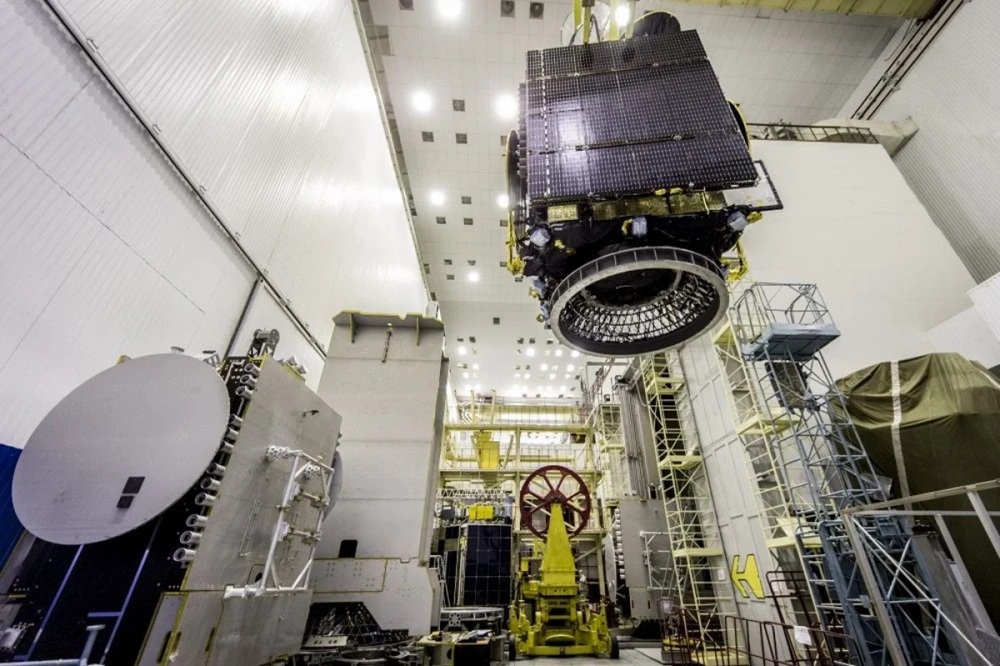
SCMP adds that some Chinese experts estimate a ground-based microwave weapon above 1 GW could disrupt or even damage Starlink satellites in low Earth orbit. Chinese writing also treats the spectrum as a place to gain an edge through non-kinetic attack. Still, space is a tough target set because satellites move fast, sit far away, and carry design margins and shielding.
A 20 GW microwave weapon aimed at orbit must also deal with beam spread and difficult tracking. Therefore, “Starlink killer” is not proven. It also helps to split the satellites from the network, since ground gateways and user terminals can be softer targets in a real fight. A long-duration HPM driver could matter there, even if space effects stay limited.
Western HPM: Different Focus
Most Western HPM work is aimed at nearer targets. Raytheon describes its Phaser system as a high-power microwave directed-energy tool built to defeat drones, including swarms, by damaging their electronics with short bursts. That contrast matters, because counter-UAS HPM needs repeat shots at short range, while a 20 GW microwave weapon meant for satellites would need different antennas, tracking, and test proof. So, the first real use may sit in local electronic attacks, not orbital “kills.”
HPM’s Role in Electronic Warfare
If SCMP’s data holds, it supports a clear trend: forces treat the spectrum as a place to operate, not just a place to endure. For related context and case studies, see our Electronic Warfare hub. Civilian and military devices now share chips, radios, and software patterns, which can widen the set of systems that an HPM burst can upset.
What to judge next
To judge this 20 GW microwave weapon story, four details matter most:
- What does “20 GW” measure: peak inside the driver, peak radiated power, or an average over the minute?
- Frequency and antenna size: these set beam width and usable range.
- Heat and recharge limits: a minute is useful only if the system can repeat.
- Target evidence: drones, vehicles, or space-linked trials change the confidence level.
Conclusion
SCMP’s report points to a compact, minute-long pulsed-power driver that could underpin a 20 GW microwave weapon. The engineering leap matters, even if the “Starlink” angle stays unproven in public data.
References
- https://www.scmp.com/news/china/science/article/3342443/chinese-scientists-build-world-first-20gw-microwave-weapon-can-fire-60-second-bursts
- https://jamestown.org/weaponizing-the-electromagnetic-spectrum-the-prcs-high-powered-microwave-warfare-ambitions/
- https://www.rtx.com/raytheon/what-we-do/integrated-air-and-missile-defense/phaser-high-power-microwave
- https://en.apa.az/asia/chinese-scientists-build-world-first-20gw-microwave-weapon-that-can-fire-60-second-bursts-490930
About the Author